Why Choose a Solenoid Pump for Your Application?

A solenoid pump can be a practical choice when an application needs controlled fluid delivery, compact equipment, and straightforward electrical operation. Its electromagnetic coil moves a plunger, creating repeated pumping strokes. In a dosing system, those strokes can deliver measured amounts of liquid through narrow tubing. Small details matter: fluid viscosity, required flow, pressure, temperature, and duty cycle all affect performance.

A useful design rule is: “Choose the pump for the fluid and operating conditions, not the name on the specification sheet.” That is an original engineering observation, not a verified quotation. No source material was provided to confirm a named solenoid-pump expert or an authentic statement, so assigning this line to a real person would risk misleading readers.

This introduction can guide a closer look at how solenoid pumps work, where they perform well, and what trade-offs deserve attention. They can offer precise, repeatable dosing in suitable applications. They may also produce pulsation or noise, and their seals and valves need to match the fluid. Not every system is a fit. Comparing expected flow, maintenance needs, and control requirements helps buyers make a more reliable choice. A careful selection starts with the real operating conditions, not assumptions.
Why Choose a Solenoid Pump for Your Application?

What Is a Solenoid Pump?

What Is a Solenoid Pump?

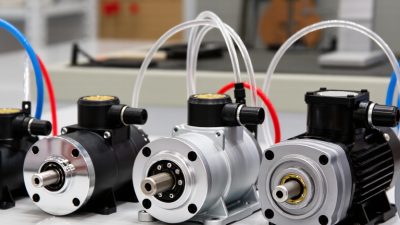
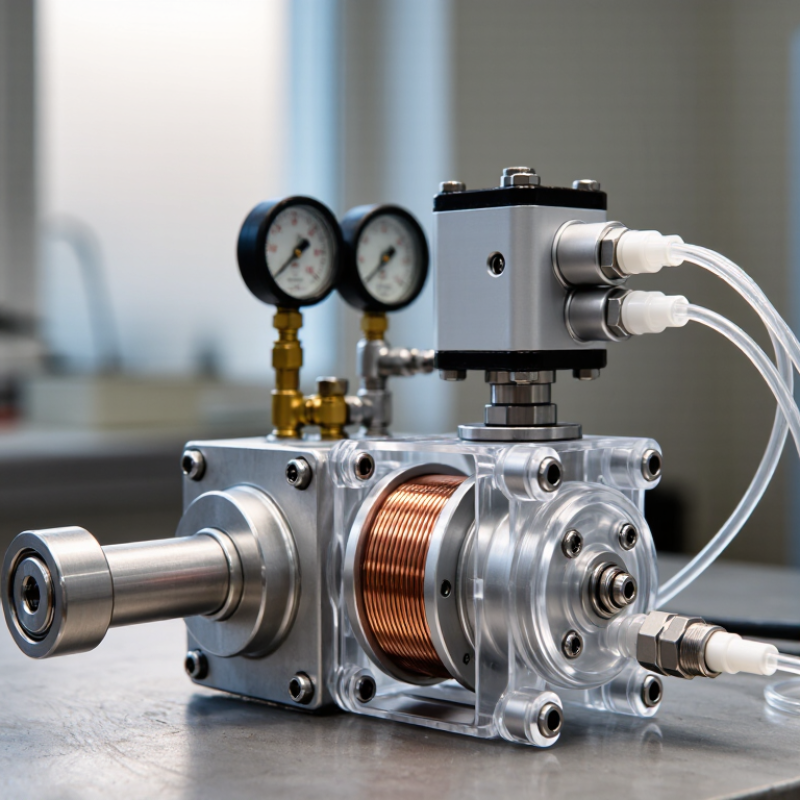
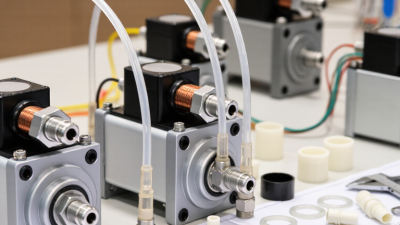
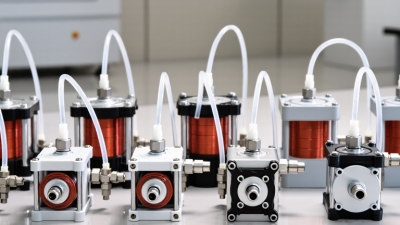
A solenoid pump uses an electromagnetic coil to create movement that transfers liquid. When current passes through the coil, its magnetic field moves a plunger or another actuator. In many metering designs, that movement flexes a diaphragm. Check valves help draw liquid into the pump chamber and push it toward the outlet. Each pulse moves a small amount, making flow control possible in compact systems. It’s a direct mechanism. Yet actual output depends on the pump design, liquid properties, and operating conditions.

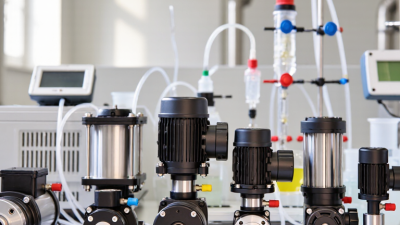
Solenoid pumps can suit applications that need controlled dosing, such as water treatment equipment or laboratory instruments. Their compact size can make installation easier where space is limited. They are not ideal for every fluid or duty cycle. Viscosity, chemical compatibility, pressure, and temperature can affect performance and service life. This part is easy to overlook.

Tips: Before selecting a pump, check the fluid’s compatibility with wetted materials and confirm the required flow and pressure. Review the manufacturer’s performance data under conditions close to your application. A pump rated for a certain flow may deliver differently in a real system. Test it with your actual setup when possible. One detail may still surprise you.
How Does a Solenoid Pump Work?

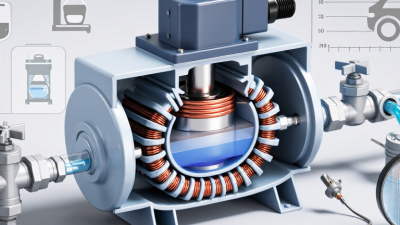
A solenoid pump turns electrical pulses into repeated fluid displacement. When current enters the coil, its magnetic field pulls a movable iron core, or plunger. That motion pushes a diaphragm or piston, changing the size of a small chamber. In a diaphragm design, inlet and outlet check valves open in sequence, guiding liquid forward and limiting backflow. When power stops, a spring returns the plunger. The cycle repeats. Simple, but not effortless.

Pulse frequency usually sets the approximate flow rate; stroke length, fluid viscosity, trapped air, and discharge pressure also matter. The mechanism is visible in a clear test line: brief pulses, tiny bubbles, and a check valve that hesitates. That is where theory gets messy. The U.S. Department of Energy’s 2006 sourcebook, Improving Pumping System Performance, reports that pumping systems use nearly 20% of global electricity demand. This broad figure is not a solenoid-pump rating, but it underscores the value of correct sizing and duty-cycle control. For dosing or compact circulation, match pressure and wetted materials to the actual liquid, not just a catalog’s best-case figure.

Why Choose a Solenoid Pump? How Does It Work?

A typical solenoid diaphragm pump alternates between a delivery stroke and a return stroke. The energized coil drives the diaphragm to discharge liquid; when the coil is de-energized, the return action draws liquid into the chamber. The check valves direct flow in one direction. This chart shows operating states, not measured performance data.

Which Applications Are Suited to Solenoid Pumps?

Solenoid pumps suit applications that need controlled, repeatable movement of small liquid volumes. Their compact size makes them useful inside analytical instruments, water-treatment skids, and benchtop equipment. A dosing unit may deliver a measured pulse into a narrow tube while a controller adjusts the pulse rate. Simple to integrate.

They are often a good fit for clean, low-viscosity fluids, such as dilute treatment solutions or rinse liquids. In a small water-conditioning system, for example, the pump can feed a chemical dose in short bursts. Check the fluid’s compatibility with the pump’s wetted materials before installation. Temperature and concentration matter.

The fit becomes less certain with thick liquids, abrasive particles, or frequent flow interruptions. Solenoid pumps can produce pulsating output, which may be unsuitable when a smooth, continuous stream is essential. I would also check suction lift, discharge pressure, and expected operating hours against the equipment specifications. These details are easy to overlook. A pump that works during a brief test may behave differently during long daily cycles. For sensitive processes, measure the actual flow under operating conditions rather than relying only on a nominal rating.

Why Choose a Solenoid Pump for Your Application? — Which Applications Are Suited to Solenoid Pumps?
Application Typical Fluids Why a Solenoid Pump Is Suited Key Selection Considerations
Water disinfection Sodium hypochlorite solutions and other compatible disinfectants Adjustable, repeatable dosing supports treatment systems that need controlled chemical feed. Check chemical compatibility, required dose rate, discharge pressure, and ventilation or containment needs.
pH control and neutralization Acids, caustic solutions, and pH-adjusting chemicals Small metered quantities can be delivered in response to a controller or measured process signal. Select compatible wetted materials and account for chemical concentration, temperature, and injection-point pressure.
Boiler and cooling-water treatment Scale inhibitors, corrosion inhibitors, and biocides Compact construction and controllable dosing are useful for routine treatment of recirculating water systems. Confirm the pump can meet the required flow and pressure, and use suitable suction-line and injection accessories.
Industrial process dosing Low-viscosity process additives and compatible chemical solutions Can provide intermittent or continuous dosing where a small, controlled chemical feed is needed. Consider fluid viscosity, solids content, pulsation, operating cycle, and whether the process requires flow verification.
Laboratory and pilot systems Reagents, buffers, and other compatible low-flow liquids Compact size and adjustable stroke or frequency can suit small-scale experiments and test rigs. Verify dosing accuracy under actual conditions; prime the pump and manage air bubbles in the suction line.
Commercial equipment Detergents, rinse aids, and other compatible cleaning chemicals On-demand dosing can be coordinated with equipment cycles without requiring a large continuous-flow pump. Check the duty cycle, chemical resistance, suction lift, and protection against dry running where applicable.
Applications requiring simple automation Compatible liquids used in systems with timed, pulse, or analog control Many solenoid-driven metering designs can be controlled electrically, making them practical for automated dosing. Match the control input and power supply to the system, and account for pulsating delivery and calibration needs.
Applications generally less suitable Highly viscous, abrasive, particle-laden, or gas-entraining fluids These conditions can impair valve operation, priming, metering consistency, or component life. Consider a different pump type or a specialized design if the fluid is thick, contains solids, or requires smooth, high-volume flow.

What Benefits and Limitations Should You Consider?

Why Choose a Solenoid Pump for Your Application?

What Benefits and Limitations Should You Consider?

A solenoid pump can provide controlled dosing in a compact package. Its electromagnetic coil moves a diaphragm or plunger, delivering measured amounts with each pulse. This makes it useful when a process needs repeatable, low-volume delivery rather than a steady, high-flow supply. Simple, but not effortless.

The design often has few moving parts, and its dosing rate can be adjusted by changing pulse frequency or stroke settings. In practice, that can help with small additions to a water-treatment line or a laboratory test rig. Check the fluid. Materials must suit its chemistry and temperature, while viscosity and suction conditions can affect actual output. Pulsed delivery may also create pressure fluctuations, and the pump can click or warm during frequent operation.

Limitations matter just as much. A solenoid pump may struggle with thick fluids, high flow demands, or applications requiring exceptionally smooth delivery. Dry running and trapped air can also reduce performance, depending on the model. A published flow rating is only a starting point; test the pump at the real pressure, tubing length, and fluid temperature. It is easy to overlook those details, especially when a bench test looks perfect. That assumption deserves a second look.

How Do You Choose the Right Solenoid Pump?

Why Choose a Solenoid Pump for Your Application?

How Do You Choose the Right Solenoid Pump?

Start with the required flow and pressure, not the pump’s advertised maximum. A dosing line that needs 80 milliliters per minute at a steady 4 bar behaves differently from one filling a small tank intermittently. Check whether the pump can deliver your target flow at your actual operating pressure. Solenoid pumps often produce pulsating flow, so consider whether your process needs a dampener or flow measurement. Also check liquid viscosity, temperature, and chemical compatibility against the wetted materials. A compatibility chart is useful, but I would verify it with the fluid supplier when the liquid is unusual.

Duty cycle matters. A pump switched on for seconds at a time faces different demands from one running continuously. Confirm the rated operating cycle, voltage, control signal, and expected service interval. The U.S. Department of Energy’s Improving Pumping System Performance sourcebook estimates that pumping systems account for nearly 20% of global electricity demand. That figure covers pumps broadly, not solenoid pumps alone, but it reinforces the value of matching capacity to real demand. Test it wet. Record flow at several pressures, listen for irregular clicking, and check for leakage after repeated starts. One detail is easy to miss: tubing and valves can affect performance as much as the pump itself. A short bench test may not reflect the final installation, so leave room to reassess.