Top 10 Transfer Pump Types for Global Buyers?
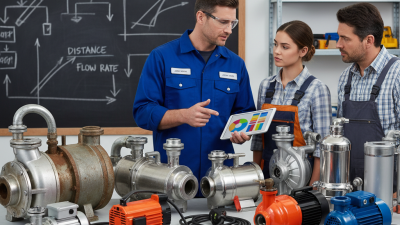
Transfer pumps do more than move liquid from one point to another. Their design affects flow rate, pressure, maintenance, and the safety of daily operations. For global buyers, choosing a model can feel less simple than the catalog suggests. Viscosity, temperature, solids, duty cycle, and available power all matter.
This guide introduces ten common transfer pump types, from centrifugal and diaphragm pumps to gear, screw, and peristaltic designs. Each suits different conditions. A centrifugal pump may handle clean, low-viscosity water efficiently, while a positive-displacement type can better serve thicker fluids or controlled dosing. The details matter. A pump that performs well in a factory test may struggle with long pipe runs, frequent starts, or abrasive particles.
Buyers should compare actual operating conditions, not just headline flow figures. Check wetted materials, seal options, connection sizes, motor requirements, and service access. Ask suppliers for performance curves and clarify how ratings change with fluid properties. These checks reduce avoidable mismatches, though they cannot remove every risk. Specifications can be incomplete, and real installations are rarely perfect. That is worth remembering. The right transfer pump fits the process, installation, and maintenance resources—not simply the most powerful or familiar option. This overview offers a practical starting point for comparing types and asking better questions before purchase.
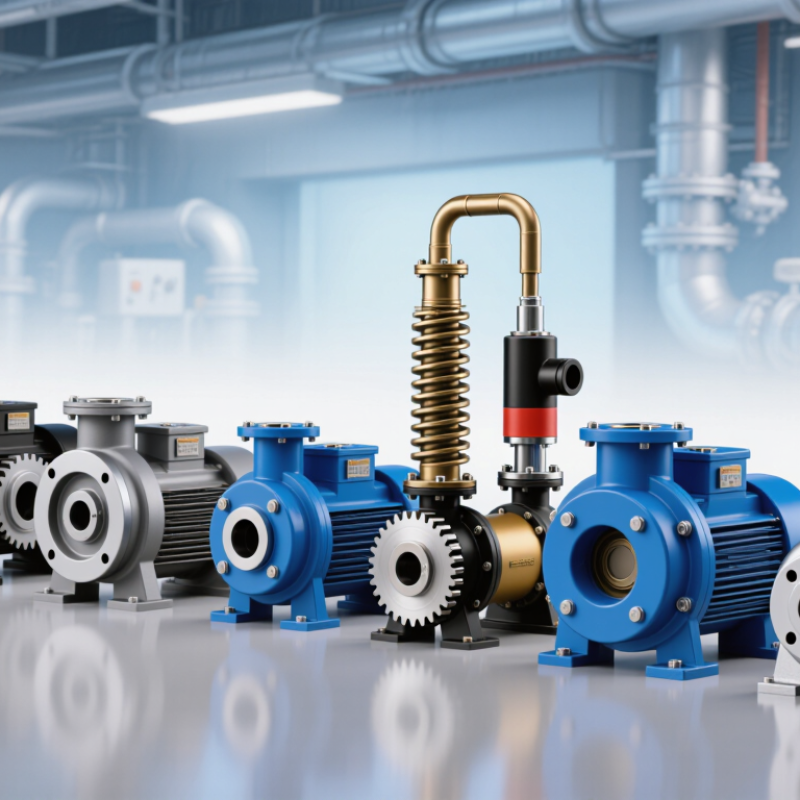
What Transfer Pumps Are and How They Move Fluids
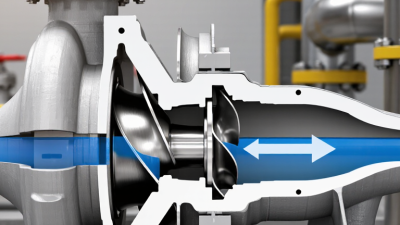
A transfer pump moves liquid from a source to a destination by creating pressure or physically displacing fluid. Most systems draw liquid through an inlet and send it out through a discharge line. That sounds simple. Inside the pump, a rotating impeller can accelerate liquid, while a moving diaphragm or set of gears can push defined amounts forward. These different actions affect flow, pressure, and the types of liquids a pump can handle.
Picture a tank feeding a pump through a short hose, with water leaving through a pipe into another container. A centrifugal pump may suit steady flows of relatively thin liquids; a positive-displacement design can provide more consistent delivery when flow varies.
Real conditions matter. Liquid viscosity, temperature, solids, hose diameter, and lift height can all change performance. A pump rated for a certain flow may deliver less once it is connected to long or narrow piping. It is easy to overlook that detail.
Before choosing a unit, check its operating range against the fluid and installation, and confirm that seals and wetted materials are compatible. Dry running can damage some pumps, so priming and basic safeguards deserve attention too. No single design fits every transfer task.
How Transfer Pump Designs Differ by Operating Principle
Transfer pump designs differ mainly in how they move liquid and create flow.
Centrifugal pumps use a spinning impeller to add velocity, then convert it into pressure. Self-priming models retain liquid in a chamber to help clear air from the suction line. Regenerative turbine pumps recirculate liquid around a bladed impeller, producing pressure in compact systems. Small details matter.
Positive-displacement pumps move fixed volumes through enclosed spaces. Gear pumps carry liquid between meshing teeth, while screw pumps move it along rotating screws. Vane pumps trap liquid between sliding vanes and the casing. Lobe pumps use synchronized rotors, making them useful when gentle handling is important. Diaphragm pumps flex a membrane to draw in and discharge liquid. Peristaltic pumps squeeze flexible tubing with rollers. Piston pumps use a reciprocating piston. Their flow can pulse.
The operating principle affects viscosity limits, flow consistency, pressure, and maintenance. Centrifugal designs often suit low-viscosity liquids and steady transfer. Gear and screw types can handle thicker fluids, but clearances and lubrication matter. Diaphragm and peristaltic designs keep liquid away from many moving parts. That can simplify cleaning, though tubing and membranes wear. A common selection mistake is comparing flow rate alone. Check suction conditions, temperature, solids, and duty cycle against the actual installation. No chart captures every site. A small air leak, for example, can undermine a pump that looks suitable on paper.
Ten Common Transfer Pump Types and Their Typical Uses
Transfer pumps serve very different jobs. Centrifugal pumps handle high flow rates of relatively thin liquids, such as water moving through a cooling circuit. Gear pumps deliver steady flow for oils and other viscous fluids. Screw pumps suit continuous transfer of thicker liquids, while diaphragm pumps can handle abrasive or chemically aggressive fluids when wetted materials are selected carefully.
Peristaltic pumps move liquid through a replaceable hose, keeping it away from pump internals. Piston and plunger pumps provide controlled, high-pressure delivery, often for dosing or cleaning systems. Lobe pumps transfer shear-sensitive products with gentle displacement. Air-operated double-diaphragm pumps are portable and can tolerate intermittent operation, though compressed-air use affects efficiency. Submersible pumps sit inside tanks or sumps, reducing suction-lift concerns. Magnetic-drive pumps isolate the liquid from a rotating shaft seal, which can help limit leakage.
Fit matters. The U.S. Department of Energy’s Improving Pumping System Performance sourcebook estimates that pumping systems use nearly 20% of global electrical energy. That broad figure is not a prediction for any single pump. Match flow, viscosity, solids, temperature, and pressure to the duty. A tidy specification sheet can still miss real installation details, like long pipe runs or frequent starts.
How to Match Pump Capacity, Materials, and Power to the Job
A transfer pump must match the actual job, not just a catalog flow rate. Start with the required flow and total head, including pipe length, elevation, bends, and filters. A pump rated for 100 liters per minute may deliver less once these losses are included. Check its performance curve at your operating point. Small details matter.
Pump type affects both capacity and fluid handling. Centrifugal pumps often suit low-viscosity liquids, while gear, screw, and lobe pumps can handle thicker fluids. Diaphragm and peristaltic designs are useful when gentle transfer or reduced leakage risk matters. Vane, piston, drum, submersible, and progressive cavity pumps serve other duty conditions. This is not a rigid ranking. Confirm the fluid’s viscosity, temperature, solids, and chemical compatibility before choosing wetted materials. Stainless steel, cast iron, and compatible polymers behave differently across applications; a material that works with water may fail with a cleaning solution.
Power selection depends on the site and duty cycle. Compare electric, pneumatic, and engine-driven options against available power, ventilation, portability, and operating hours. Leave practical margin, but avoid oversizing: it can waste energy and create excessive flow or pressure. Verify connections, seal materials, and dry-running limits. Field measurements can be messy, and estimates are sometimes wrong. Recheck them before purchase.
Global Buying Factors: Standards, Maintenance, and Supplier Support
For global buyers, standards deserve attention before headline price. ISO 9906:2012 defines acceptance tests for rotodynamic pump performance, including flow and head tolerances. It does not cover every transfer-pump design, so confirm which test method applies. Ask suppliers to document the duty point, test conditions, and measurement uncertainty. Details matter. The U.S. Department of Energy’s Improving Pumping System Performance sourcebook estimates pumping systems use nearly 20% of global electricity. The IEA’s 2011 motor-systems report attributes about 69% of industrial electricity use to motor-driven systems; that figure includes many applications, not pumps alone.
Maintenance planning should be just as specific. Request a pump curve for the actual liquid, plus written guidance on seal materials, inspection intervals, and spare-part availability. Viscous fluids, abrasive particles, or frequent starts can change wear and performance. A water test is useful, but it may not predict service with a thicker process liquid. Real plants are messier. Compare supplier support by asking who handles commissioning questions, how quickly critical spares can ship, and whether manuals include clear troubleshooting steps. These details often reveal more than a polished specification sheet.