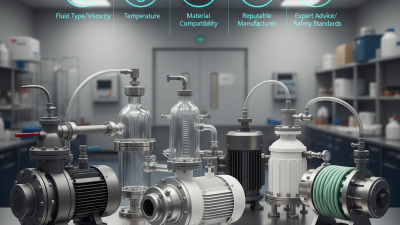
Choosing a chemical pump for industrial service is not a simple matter of comparing flow rates or prices. The right choice depends on the fluid, operating conditions, and the consequences of a leak or unplanned shutdown. Acids, solvents, and viscous process liquids place different demands on pump materials, seals, and drive systems. Even temperature changes or abrasive particles can affect performance over time.
Small details matter.
This guide reviews 10 chemical pumps for industrial use in 2026, focusing on practical selection factors rather than broad promises. It considers construction materials, chemical compatibility, capacity, pressure, maintenance needs, and suitability for common industrial applications. These points can help engineers and purchasing teams narrow their options, but they are not a substitute for checking manufacturer data or consulting a qualified supplier. A pump that works well in one plant may be a poor fit elsewhere.
The comparison also recognizes that there is rarely one universally best model. Availability, installation constraints, and service support can change the decision. And product specifications can change, so verify current documentation before purchase. The aim is a clear starting point: understand what each pump type offers, where it may fall short, and which questions deserve closer attention. Some trade-offs are easy to miss until a pump is running beside a hot pipe or a noisy production line. That is worth remembering.
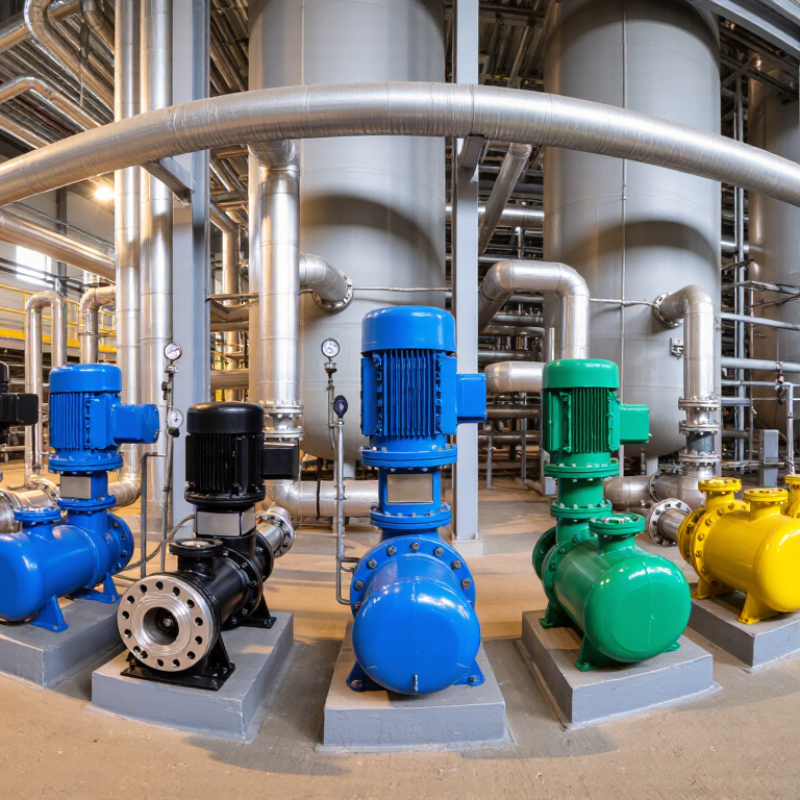
Chemical pumps move liquids that may corrode equipment, crystallize, or damage seals. Their purpose is controlled transfer, dosing, or circulation in a process line. Centrifugal pumps suit many steady, higher-flow duties with relatively low-viscosity liquids. Positive-displacement designs deliver measured volumes and often handle thicker fluids. Diaphragm pumps isolate the liquid from moving parts, while magnetic-drive designs avoid a conventional shaft seal. No design is universally safer; fluid properties and operating conditions matter.
Industrial applications include transferring acids in water-treatment facilities, dosing cleaning chemicals in manufacturing, and circulating process fluids through heat exchangers. A pump that works well with a cool, dilute solution may struggle when the same liquid becomes hot or concentrated. Check compatibility against the wetted materials, not just the pump casing. Even a careful selection chart can miss details in a changing process.
Tips: Confirm concentration, temperature, viscosity, and solids before choosing a pump. Ask for material compatibility data, and verify flow and pressure at the actual duty point. Watch for leaks, vibration, and unusual noise after installation. Small details matter. Recheck assumptions when the process changes; specifications can age faster than equipment.
Choosing among the 10 best chemical pumps for industrial use in 2026 starts with the liquid, not the catalog. Record its composition, concentration, temperature range, viscosity, and any suspended solids. Then check wetted materials, seals, and lining against reliable compatibility data. A sample that looks harmless at room temperature may behave differently when heated or diluted. Ask the supplier to review the actual operating conditions; generic charts can miss important details.
Safety depends on the whole installation. Confirm the pump’s pressure and temperature limits, and consider leak detection, secondary containment, and safe drainage. Check suction conditions to reduce cavitation, especially with hot or volatile liquids. Include dry-running and blocked-discharge scenarios in the review. Small details matter: a poorly supported pipe can strain a connection and create a leak. A neat spreadsheet is not proof.
Performance should match the real duty point, not just the maximum flow printed on a data sheet. Compare the pump curve with required flow and head, allowing for viscosity and expected operating changes. During commissioning, record flow, pressure, motor load, vibration, and temperature. These readings give operators a useful baseline. Still, one test cannot predict every upset; revisit the selection when the process or fluid changes.
| Pump Type | Typical Industrial Fit | Indicative Flow Range | Pressure or Head Capability | Compatibility Considerations | Safety and Performance Checks |
|---|---|---|---|---|---|
| Magnetic-drive centrifugal | Continuous transfer of clean, low-viscosity acids, alkalis, solvents, and process liquids where external leakage control is important. | About 0.5–1,500 m³/h, depending on size and design. | Commonly around 5–150 m of head; varies substantially by model and operating point. | Wetted casing, impeller, liner, and bearing materials must suit the fluid. Plastics, fluoropolymers, and corrosion-resistant alloys are used for different services. | No dynamic shaft seal, but the pump still needs appropriate containment and monitoring. Avoid dry running; check minimum flow, vapor formation, and internal bearing lubrication requirements. |
| Canned-motor centrifugal | Closed-loop or process transfer where a sealless arrangement is preferred, including some hazardous or volatile liquid duties. | Typically selected across low to high industrial flow duties; capacity is design-specific. | Head and discharge pressure depend on the hydraulic design and motor configuration; verify against the duty point. | Process liquid contacts the internal circulation and bearing system in many designs. Confirm chemical suitability, viscosity, temperature, and solids limits with the supplier. | Sealless construction reduces one potential leak path but does not eliminate all leak or failure risks. Check cooling, minimum flow, dry-running protection, and hazardous-area requirements. |
| Mechanically sealed centrifugal | General-purpose, continuous transfer of clean or lightly contaminated liquids in chemical processing and plant utilities. | About 0.5–2,000 m³/h across broad industrial designs. | Often around 5–150 m of head; multistage designs can provide higher head. | Select casing, impeller, seal faces, elastomers, and flush materials for the actual fluid and temperature. Corrosion and seal compatibility are separate checks. | Mechanical seals require correct installation and operating conditions. Assess seal-flush or quench needs, leakage detection, suction conditions, and dry-running risk. |
| Air-operated double-diaphragm (AODD) | Batch transfer, drum emptying, intermittent service, and handling liquids with suspended solids or variable viscosity. | Approximately 0.01–60 m³/h for common industrial sizes. | Many designs operate at air-supply pressures up to roughly 7–8 bar; actual discharge pressure depends on the pump and air supply. | Diaphragms, balls, seats, and body materials must all be compatible. Available options commonly include elastomers, fluoropolymers, polypropylene, and metal bodies. | Can run dry for limited periods in many designs, but confirm the specific pump limits. Consider pulsation, compressed-air consumption, exhaust handling, grounding, and pressure relief. |
| Electrically driven diaphragm process pump | Metered or controlled transfer of corrosive, toxic, or high-value fluids where diaphragm separation is useful. | From very low dosing rates to several tens of m³/h, depending on pump design. | Available in designs ranging from moderate to high discharge pressure; confirm rated pressure at the required flow. | Diaphragm and head materials must withstand the chemical, concentration, temperature, and cleaning regime. Check permeation and swelling where relevant. | Use suitable overpressure protection and verify diaphragm-failure detection where leakage would be hazardous. Pulsation dampening may be needed for the piping system. |
| Peristaltic (hose) pump | Slurries, viscous fluids, shear-sensitive products, and applications where the liquid should contact only the pump hose. | From small dosing rates to roughly 100 m³/h in large industrial installations; hose size and speed determine capacity. | Many hose designs serve low-to-moderate pressures, with some rated to around 10–15 bar; check the hose and pump rating. | Chemical compatibility is primarily governed by the hose material. Check temperature, concentration, cleaning agents, and permeation as well as the pumped liquid. | Hose wear is a planned maintenance item. Provide pressure protection, monitor hose condition, and consider pulsation and heat generation at elevated pressure. |
| Progressive-cavity pump | Steady transfer of viscous liquids, pastes, slurries, and fluids containing solids. | Approximately 0.1–500 m³/h across industrial sizes and configurations. | Pressure capability is built up by stages; industrial designs commonly cover several to a few dozen bar. | Stator elastomer compatibility is critical and may limit temperature and chemical choice. Confirm rotor, stator, and seal materials with the fluid data. | Do not operate dry unless specifically designed for it. Install suitable pressure relief and monitor stator temperature, wear, and solids-related abrasion. |
| Rotary gear pump | Consistent transfer of clean, lubricating liquids such as oils, resins, and some viscous chemicals. | Roughly 0.01–100 m³/h, depending on displacement, speed, and viscosity. | Designs range from moderate to high pressure; some industrial models reach well above 100 bar, but ratings are model-specific. | Check casing, gears, clearances, and seal materials against the fluid. Suitability can change with viscosity, temperature, and chemical lubricity. | A positive-displacement pump can generate damaging pressure if the discharge is blocked. Fit correctly sized pressure relief and avoid abrasive solids unless the design allows them. |
| Metering diaphragm pump | Accurate, adjustable dosing of treatment chemicals, reagents, and process additives at controlled rates. | From millilitres per hour to several m³/h, depending on the metering technology and model. | Ranges from low pressure to high-pressure dosing; some designs exceed 100 bar. Confirm capacity at the actual backpressure. | Wetted head, diaphragm, check valves, and seals must suit the chemical and dosing conditions. Gas release, crystallization, and solids can affect accuracy. | Use calibration, suitable injection hardware, and pressure protection. Verify turndown, repeatability, and materials against the required dosing accuracy and service conditions. |
| Vertical sump pump | Transferring liquids from tanks, pits, and sumps, including some corrosive or contaminated process liquids. | About 1–500 m³/h across typical industrial designs. | Commonly around 5–100 m of head, depending on bowl, impeller, and column configuration. | Select submerged wetted materials for the chemical and temperature. Check tank depth, liquid level, solids content, and corrosion at interfaces. | Confirm adequate submergence and motor arrangement. Assess dry-running risk, tank access, vibration, and safe maintenance procedures around the sump. |
Selection note: Flow and pressure figures are indicative screening ranges, not guaranteed ratings. Final selection should use the actual fluid composition and concentration, temperature, viscosity, solids content, suction conditions, required duty point, materials of construction, applicable regulations, and the pump supplier’s certified data.
Choosing among the ten leading chemical pumps for industrial use in 2026 starts with the fluid, not the catalog. Abrasive slurries, volatile solvents, and viscous resins place very different demands on equipment. A practical comparison includes centrifugal, magnetic-drive, canned-motor, diaphragm, peristaltic, progressive-cavity, gear, lobe, metering, and vertical-sump pumps. Details matter. Check wetted-material compatibility against concentration, temperature, and cleaning chemicals; generic charts may miss actual process conditions. Also verify flow, differential pressure, suction conditions, particle size, and dosing accuracy.
A magnetic-drive centrifugal pump can reduce external leak paths. A diaphragm pump suits controlled dosing, but dry-running tolerance depends on its design. Peristaltic models keep fluid inside a replaceable tube; abrasive particles can wear that tube quickly. Gear and lobe pumps handle some viscous liquids, though clearances and shear matter. Vertical-sump units serve tank applications, while progressive-cavity designs can move thicker mixtures. Before installation, inspect seals or hoses, check vibration, and confirm the operating point. No pump fits all. Site measurements are sometimes incomplete, and teams may rely on assumptions; recording actual temperature and flow during commissioning can reveal a mismatch early.
Choosing among the 10 best chemical pumps for industrial use in 2026 starts with the liquid, not the catalogue headline.
Polypropylene and PVDF can suit many corrosive duties, while stainless steel handles some higher-temperature applications. Compatibility depends on concentration, temperature, and exposure time; a material chart is a starting point, not a guarantee. Check the supplier’s chemical-resistance data against actual process conditions. Small details matter. A seal that works at room temperature may fail when the fluid heats up.
Compare flow rates at the pressure your system actually needs. A pump’s maximum flow figure may fall sharply when discharge pressure, pipe length, or elevation increases. Ask for a performance curve, then check it against the operating point and expected solids or viscosity.
Pressure ratings also deserve close attention, especially during startup or a blocked line. Operating costs include more than electricity: seals, diaphragms, spare parts, cleaning, and downtime add up. A cheaper unit can become costly if maintenance is frequent.
Still, forecasts are imperfect; real wear depends on installation and operator practices. Track energy use and service intervals after commissioning, and revise estimates when field data disagrees.
For the 10 best chemical pumps for industrial use in 2026, installation deserves as much attention as pump selection. The U.S. Department of Energy’s Improving Pumping System Performance sourcebook reports that pumping systems use nearly 20% of global electricity demand, and 25–50% of energy in some industrial operations. Correct sizing and alignment can therefore affect both reliability and energy use. Set the pump on a rigid, level base, support connected piping independently, and check alignment after tightening the bolts. Small leaks matter. Confirm that wetted materials, seals, and gaskets suit the actual chemical concentration and temperature—not just the product name on a label.
Maintenance should follow the fluid’s hazards and the pump maker’s service limits. Inspect seals, vibration, temperature, and unusual noise; record readings so gradual changes are easier to spot. Before opening equipment, isolate and depressurize it, drain trapped liquid into a compatible container, and follow site procedures for protective equipment and spill response. Keep eyewash access clear. A tidy checklist can still miss a changed process condition, so verify the chemical and operating data with the responsible site specialist. That extra check may feel slow, but guessing at compatibility is slower when a seal fails.