Top 5 Tips for Choosing the Right Chemical Pump for Your Needs?
Choosing the right chemical pump can be a daunting task. With various options available, making an informed decision is crucial. A chemical pump is essential for safely transferring corrosive and hazardous materials. Selecting the wrong pump may lead to costly failures and safety hazards.
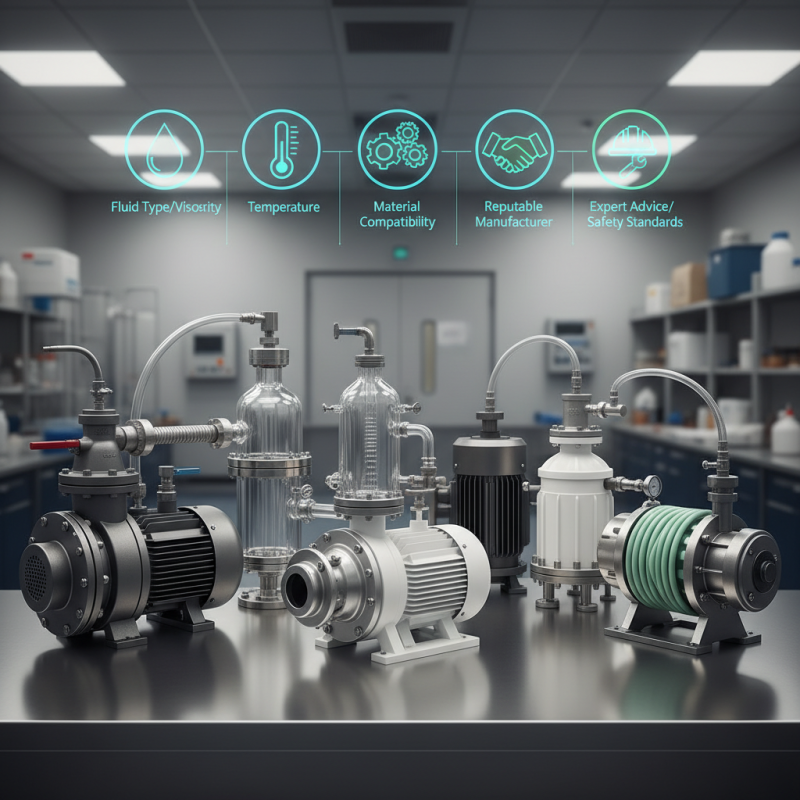
Consider your specific needs when choosing a chemical pump. The type of fluids being pumped, their viscosity, and temperature are critical factors. It’s also vital to evaluate the pump's materials to ensure compatibility. Trust reputable manufacturers with a proven track record. These details matter significantly in achieving efficiency and reliability.
Many overlook the importance of expert advice. Consulting professionals can lead to better choices. Reflecting on your requirements can be valuable. Take time to analyze different models and their specifications. Understanding the risks and benefits is essential in the selection process. Ensure that your choice aligns with industry standards for safety and performance.
Understanding the Different Types of Chemical Pumps Available
When choosing a chemical pump, understanding the types available is crucial. There are several categories, each serving unique applications.
Centrifugal pumps, for instance, rely on a rotating impeller to move fluids. These pumps work well for low-viscosity chemicals. They are often used in applications like water treatment and pharmaceuticals. However, they may not be suitable for abrasive or viscous substances.
Positive displacement pumps are another option. They move fluids by trapping a fixed amount and forcing it into the discharge pipe. These pumps handle thick fluids effectively. In the right setting, they can be very reliable. However, they may require more maintenance. It’s essential to consider the nature of the chemicals being pumped. For example, corrosive materials may necessitate specific materials of construction.
Another type worthy of mention is diaphragm pumps. They are known for their ability to handle a variety of fluids, including slurries.
These pumps use a diaphragm that flexes, creating a pumping action. They are versatile but may have limitations in continuous operation. Each pump type has pros and cons. It’s vital to assess your specific needs carefully. Consider factors like chemical characteristics, flow rates, and operating conditions.
Evaluating the Fluid Characteristics for Pump Selection
When selecting a chemical pump, understanding fluid characteristics is crucial. The fluid’s viscosity, density, and temperature can significantly influence pump performance. According to a study by the Hydraulic Institute, over 30% of pump failures are attributed to mismatched fluid properties. This highlights the importance of assessing these characteristics before making a decision.
Viscosity, for example, affects how easily a fluid flows. Fluids with high viscosity require more energy to pump, potentially leading to issues if the pump isn't designed for such demands. The American Society for Testing and Materials (ASTM) indicates that viscosity can double with a mere 10-degree Celsius increase in temperature. This means choosing the right pump for fluctuating temperatures is essential.
Additionally, consider the fluid's chemical properties. pH levels and corrosiveness can impact material selection for pumps. Choosing the wrong material may lead to early wear or failure. Recent data from the Chemical Engineering magazine suggests that nearly 25% of chemical process disruptions stem from inappropriate pump material, underscoring the need for careful evaluation.
Top 5 Tips for Choosing the Right Chemical Pump for Your Needs
| Fluid Type |
Viscosity (cP) |
Temperature (°C) |
pH Level |
Pump Type Recommended |
| Acidic Solution |
5 |
25 |
1.0 |
Diaphragm Pump |
| Viscous Oil |
300 |
50 |
7.0 |
Gear Pump |
| Neutral Chemical |
1 |
20 |
6.5 |
Centrifugal Pump |
| Toxic Waste |
20 |
30 |
3.0 |
Peristaltic Pump |
| Corrosive Liquid |
50 |
60 |
2.0 |
Magnetically Coupled Pump |
Assessing the Required Flow Rate and Pressure Specifications
When selecting a chemical pump, flow rate and pressure specifications are crucial. The flow rate determines how much fluid is moved in a specific time. Consider your process needs carefully. A low flow rate may suffice for small-scale applications. However, industrial processes often require higher rates for efficiency.
Pressure specification is equally important. It indicates how much force is needed while pumping fluids. Too low pressure can lead to inefficiencies. Conversely, excessive pressure may result in system damage. Evaluate the characteristics of the fluids involved. Viscosity and temperature can significantly affect pressure needs. Ensure your chosen pump can handle these factors reliably.
It's essential to match the pump's specifications with your operational requirements. Misalignment can lead to increased downtime and maintenance costs. A careful assessment may reveal gaps in your understanding of the necessary parameters. Take the time to consult professionals in the field. Their insights can provide clarity on optimal choices and potential pitfalls. Always keep an open mind to learn and adapt as needed.
Considerations for Pump Material Compatibility and Durability
When choosing a chemical pump, material compatibility is crucial. The pump's components must withstand the chemicals being handled. For instance, corrosive acids can degrade weaker materials quickly. Using the wrong material can lead to pump failure and costly downtime.
Durability plays a vital role in pump selection. Pumps made from high-grade alloys or specialized plastics resist damage from corrosive elements. However, not all pumps are created equal. Even a durable pump may fail if it isn't properly maintained. Regular inspections can help identify wear and tear.
Always consider the specific chemicals and their properties. Consult with manufacturers or experts for guidance on compatibility. A mismatched pump can lead to leaks or hazardous situations. Prioritize safety and reliability in your selection process. It’s a decision that shouldn’t be rushed. Reflecting on these aspects can save money and enhance efficiency in the long run.
Top 5 Tips for Choosing the Right Chemical Pump
This chart illustrates the key considerations when choosing chemical pumps, focusing on material compatibility and durability across various chemicals commonly used in industrial applications.