Best Chemical Pump Options for Efficient Industrial Use?
In the world of industrial operations, choosing the right chemical pump is critical. According to the 2022 Global Chemical Pump Market Report, demand for efficient pumps has increased by 15% over the last five years. This growth highlights the need for reliable options that enhance productivity while minimizing costs. Experts emphasize efficiency, with Dr. John Thompson, a leading figure in fluid dynamics, stating, "Selecting the correct chemical pump can drastically improve operational efficiency."
Chemical pumps are not just about moving fluids; they are vital for safety and sustainability in various industries. The wrong choice could lead to leaks or malfunctions, which pose significant risks and financial implications. Furthermore, recent trends show that companies are increasingly focused on environmentally friendly solutions. A reliable chemical pump can support greener operations, aligning with global sustainability goals.
Despite advancements, challenges persist. Many industrial operators still struggle with pump maintenance and performance issues. Regular assessments and updates to equipment are essential. Continuous training for personnel can bridge knowledge gaps, ensuring informed decisions in the selection and management of chemical pumps. The journey toward optimal pump performance is ongoing and requires diligent attention.
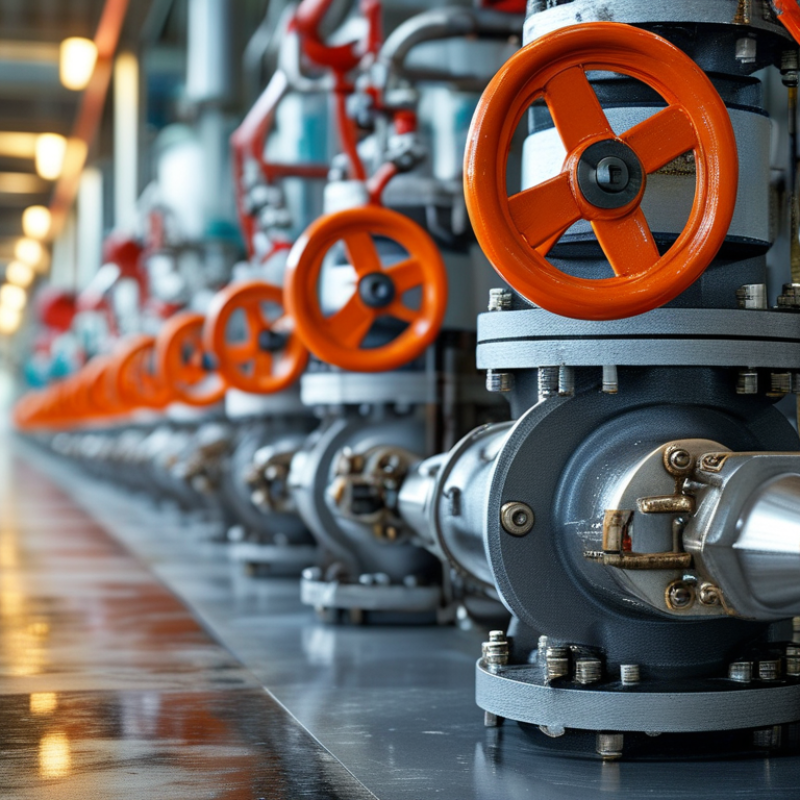
Top Types of Chemical Pumps for Industrial Applications
In industrial applications, selecting the right type of chemical pump is crucial for efficiency and safety. There are several types of chemical pumps, each designed for specific needs. For instance, centrifugal pumps are widely used for their ability to move large volumes of liquids at relatively low pressures. Data from a recent industry report indicates that these pumps account for nearly 45% of the chemical pump market due to their versatility.
Diaphragm pumps are another popular choice. They excel in scenarios requiring precise flow control and are ideal for handling corrosive fluids. Reports suggest that diaphragm pumps have seen a growth rate of about 6% annually, primarily due to increased safety requirements in plant operations. These pumps operate with minimal risk of leakage, making them a reliable option in handling hazardous materials.
Peristaltic pumps are gaining traction as well. They are commonly used in applications where gentle handling of fluids is required, such as in biopharmaceutical processes. The growth rate for peristaltic pumps is approximately 5% per year, as industries recognize their capability to prevent contamination. However, users should reflect on potential maintenance challenges associated with these pumps, particularly with tubing wear over time. It’s essential to balance efficiency with long-term reliability when choosing the right pump for specific industrial tasks.
Factors Influencing Efficiency in Chemical Pump Design
When choosing chemical pumps for industrial applications, several factors play a crucial role in their efficiency. The design of the pump, including materials and technology, directly affects performance levels. For instance, corrosion-resistant materials enhance durability and reduce maintenance costs. According to a 2023 report by the International Pump Association, selecting the right pump design can improve efficiency by as much as 30%. Understanding fluid characteristics, such as viscosity and corrosiveness, is also vital. Pumps designed for specific chemicals operate more efficiently than general-purpose models.
Noise and vibration levels can impact pump lifespan and efficiency. A recent survey revealed that over 25% of industrial downtime is linked to pump failures related to these issues. Regular maintenance and monitoring systems can help identify problems early. Proper alignment and installation are also essential in preventing inefficiencies. Investing in training for staff can improve operational procedures and ensure that the pumps operate within optimal parameters.
For those in the industry, consider conducting a thorough analysis of specific needs before purchasing pumps. Evaluate the long-term costs associated with maintenance and energy consumption. Durability often outweighs initial costs, leading to greater efficiency when evaluating your options. Utilize software tools for simulating pump operation to pinpoint potential inefficiencies. Addressing these factors can lead to significant improvements in overall operational effectiveness.
Comparative Analysis of Centrifugal vs. Positive Displacement Pumps
Centrifugal and positive displacement pumps serve distinct purposes in industrial applications. Centrifugal pumps excel in high-flow scenarios. They rely on rotational energy to move fluids. However, they are less effective with viscous liquids. These pumps are typically more efficient and easier to maintain.
Positive displacement pumps provide a fixed amount of fluid per cycle. They are ideal for handling thick or abrasive substances. These pumps can generate high pressures, making them suitable for a range of applications. Yet, they require careful monitoring to avoid over-pressurization, which can lead to system failures.
When choosing between the two, consider fluid properties and application requirements. Centrifugal pumps are best for clean, low-viscosity fluids. Positive displacement pumps handle challenging liquids with greater reliability. Always assess the specific needs of your operations. Proper selection minimizes downtime and enhances productivity.
Monitor pump performance regularly. Implementing routine checks increases lifespan. Also, maintain adequate fluid levels to prevent cavitation in centrifugal pumps. This practice helps sustain optimal efficiency. Understanding the strengths and weaknesses of each pump type is crucial for informed decision-making.
Best Chemical Pump Options for Efficient Industrial Use
Key Industry Standards and Regulations for Chemical Pump Selection
When selecting a chemical pump for industrial use, understanding industry standards is crucial. Regulations may differ based on the type of chemicals handled. Compliance with safety standards ensures that pumps can withstand corrosive materials without leaking. The American National Standards Institute (ANSI) and the International Organization for Standardization (ISO) provide guidelines for pump design and operation. Engineers must align their choices with these standards to ensure safety and efficiency.
Selecting a chemical pump is not just a technical decision. It requires considering the operational environment. For instance, pumps operating in hazardous zones must meet explosion-proof certifications. Moreover, detailed specifications, such as flow rate and chemical compatibility, also influence decisions. It can be challenging to navigate through the extensive regulations. Many industry professionals struggle with integrating compliance into their existing systems.
Ultimately, it’s vital to evaluate both the design and operational principles of pumps. Misalignment can lead to costly failures and safety hazards. Balancing technical performance with regulatory compliance is a daunting task. Continual education and adaptation are necessary for successful implementation. Industry professionals should regularly review regulations to ensure compliance and enhance knowledge. Engaging with suppliers and industry forums can also reveal insights into best practices.
Best Chemical Pump Options for Efficient Industrial Use
| Pump Type |
Flow Rate (GPM) |
Max Pressure (PSI) |
Material of Construction |
Industry Standard |
| Diaphragm Pump |
20 |
250 |
Polypropylene |
API 675 |
| Centrifugal Pump |
40 |
150 |
Stainless Steel |
ANSI/HI 1.1 |
| Peristaltic Pump |
30 |
85 |
Rubber |
ISO 9001 |
| Gear Pump |
10 |
200 |
Bronze |
ASME B73.1 |
Emerging Technologies in Chemical Pump Efficiency Optimization
Emerging technologies in chemical pump efficiency optimization are revolutionizing the industry. Recent studies indicate that integrating IoT (Internet of Things) sensors can boost pump efficiency by up to 25%. These solutions enable real-time monitoring, allowing for immediate adjustments based on flow rates and pressure. Such advancements contribute to significant cost savings and reduced downtime in industrial applications.
Investing in smart pumps can also lead to better energy management. According to industry reports, over 40% of industrial energy consumption comes from pumps. Advanced control systems can adapt operations, minimizing energy waste. For instance, using variable frequency drives (VFDs) optimizes motor speed based on demand, improving operational efficiency.
When considering options, remember to assess both initial costs and long-term savings. An effective pump system should balance performance with energy efficiency. Regular maintenance is crucial as well; neglected pumps can lead to inefficiencies and increased operational costs. Adopting predictive maintenance using advanced analytics can further optimize pump lifecycle and performance.