China’s water motor pump manufacturers serve a market shaped by growing water demand, energy costs, and varied operating conditions. The United Nations World Water Development Report 2024 states that agriculture accounts for about 70% of global freshwater withdrawals. That figure highlights why dependable pumping matters, especially for irrigation, where pumps must handle long operating hours, changing flow requirements, and sediment in the water.
Efficiency matters, too. The U.S. Department of Energy’s Improving Pumping System Performance guide notes that pumping systems can use 25% to 50% of the energy consumed in some industrial facilities. Buyers therefore need to look beyond a pump’s advertised capacity. Motor efficiency, materials, seal design, service access, and performance at the required duty point deserve close attention. A polished catalogue can still leave important questions unanswered.
Robert Asdal, former executive director of the Hydraulic Institute, is an industry authority on pump systems. I could not verify a verbatim quotation from him on this specific topic, so I will not invent one. A practical, clearly paraphrased takeaway is: “Choose a pump for the system’s real operating needs, not headline specifications.” This guide to China’s top 10 water motor pump manufacturers will compare product range, technical capability, quality controls, and export experience. Readers should still verify certifications and test data directly. The details matter.
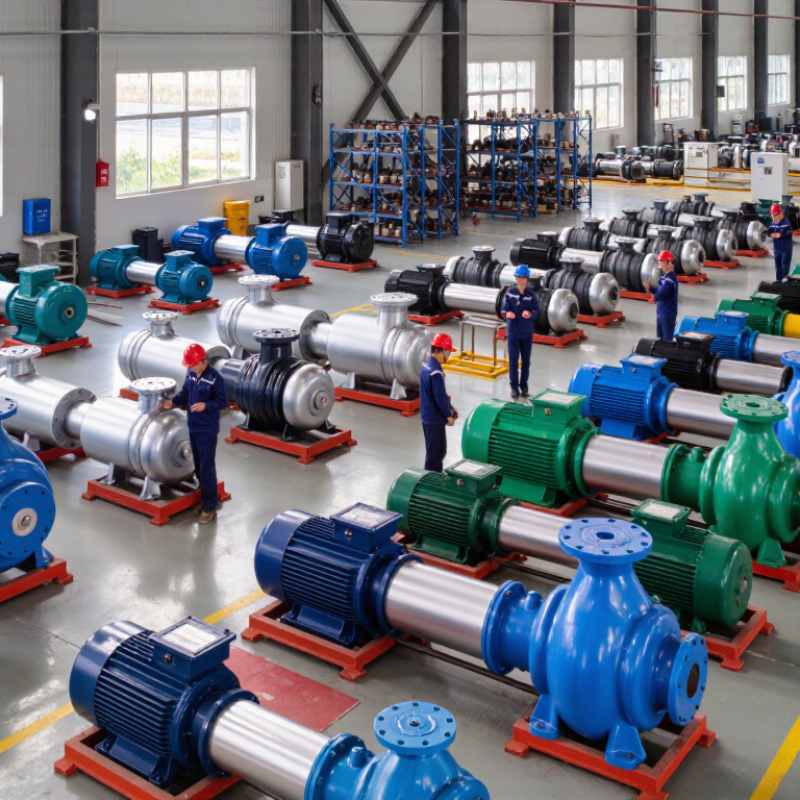
China’s water-pump manufacturing industry combines motor production, casting, machining, sealing, and assembly. Production clusters in eastern provinces benefit from dense supplier networks. This can shorten lead times for common components, such as impellers and mechanical seals. It does not guarantee consistent performance. Buyers still need to check test records, materials, and operating limits.
Demand reflects water supply, construction, agriculture, and industrial processes. Fortune Business Insights estimated the global water-pump market at USD 63.02 billion in 2023, with a forecast of USD 98.49 billion by 2032. The report’s figures describe the worldwide market, not China’s domestic output. That distinction matters.
Factory capabilities also vary: a supplier suited to high-volume, standard pumps may not excel at custom duties or difficult water conditions. Efficiency claims deserve scrutiny; compare measured flow, head, and power consumption under stated test conditions.
The picture is not perfectly neat. Market estimates use different definitions, so they are useful context, not a purchasing specification.
A water motor pump turns electrical energy into flow. The motor rotates a shaft, which drives the pump’s moving parts. In a centrifugal pump, an impeller accelerates water outward; the casing then converts much of that velocity into pressure. It suits steady flow and relatively clean water. Axial and mixed-flow designs move larger volumes at lower heads. Positive-displacement pumps trap and move fixed amounts of water per cycle. Reciprocating and rotary designs are common examples. Small details matter.
Pump selection depends on flow, head, water quality, and duty cycle—not just motor power. The U.S. Department of Energy’s Improving Pumping System Performance: A Sourcebook for Industry reports that pumping systems account for nearly 20% of global electricity demand, and 25–50% of energy use in some industrial facilities. That scale makes matching the pump to the system important. A pump operating far from its best-efficiency point may waste energy, run hot, or vibrate. Yet published efficiency figures do not predict every installation: pipe losses, changing demand, and maintenance can alter real performance. A pressure gauge and flow meter can reveal more than a catalogue rating alone.
When comparing China’s water motor pump manufacturers, look beyond catalog claims. A dependable supplier should explain how its pumps perform at your required flow rate and total head. Ask for a pump curve and check whether it matches your operating conditions. A clean brochure is not proof. Request test records for the actual model, including pressure, flow, and motor temperature checks.
Materials and production controls matter, especially for pumps exposed to grit, moisture, or long operating hours. Ask about casing and impeller materials, motor insulation, seal options, and routine inspection steps. If possible, review a sample unit or arrange a factory audit. Also check whether technical staff can answer practical questions clearly. Slow or vague replies may signal support difficulties later. Spare-parts availability, lead times, warranty terms, and export packaging deserve attention too. Compare these details across suppliers, not just the quoted price. Some buyers, myself included, can overvalue a low initial cost.
Tips: Share your real duty point, liquid temperature, and daily running hours before requesting a quotation. Ask the manufacturer to identify any limits, such as dry-running risk or reduced efficiency outside the recommended range. Keep answers and test documents together for a fair comparison. Small omissions can cause real delays.
A weighted scorecard for comparing manufacturers. The criteria and weights below are an evaluation framework, not a ranking of named companies or a claim that any manufacturer has been assessed.
| Evaluation criterion | Suggested weight | What to evaluate | Verifiable evidence to request |
|---|---|---|---|
| 1. Hydraulic performance | 18% | Whether the pump can meet the required flow rate and total head at the specified operating point, and how the curve performs across the intended range. | Performance curves, rated-point data, and test reports. For applicable rotodynamic pumps, check whether testing and acceptance are stated in accordance with ISO 9906 and the agreed acceptance grade. |
| 2. Energy efficiency and motor suitability | 14% | Pump input power, motor rating, operating-point efficiency, and compatibility with the site’s voltage, frequency, starting method, and control system. | Motor nameplate information, efficiency data, and pump-and-motor package details. IEC 60034-30-1 may be relevant to covered line-operated AC motors; confirm its scope before comparing classifications. |
| 3. Materials and fluid compatibility | 12% | Suitability of wetted parts, seals, and coatings for the fluid’s temperature, chemistry, solids content, and intended service conditions. | Bill of materials, material grades, seal options, coating specifications, and documented limits for temperature and fluid conditions. |
| 4. Reliability and design life | 12% | Design provisions affecting service life, including bearing and seal arrangements, vibration control, maintenance access, and stated operating limits. | Design documentation, maintenance schedules, component specifications, and clearly defined operating limits. Compare like-for-like applications rather than relying on unverified life claims. |
| 5. Quality management and production control | 10% | Documented controls for incoming materials, manufacturing processes, inspection, nonconformities, and product traceability. | Current quality-management certificates and their scope, inspection plans, sample test records, and traceability procedures. Verify certificates with the issuing body where possible. |
| 6. Product testing and documentation | 9% | Availability and clarity of factory test procedures, inspection records, drawings, installation instructions, and operating manuals. | Sample factory acceptance test report, approved drawings, manuals, and defined test tolerances. Confirm whether testing is witnessed, documented, and tied to the supplied unit. |
| 7. Electrical and environmental protection | 8% | Motor enclosure protection, insulation and temperature ratings, and suitability for the installation environment and electrical supply. | Motor datasheet and nameplate details. Where relevant, verify the claimed IP code against IEC 60529 and confirm that the rating matches the intended installation conditions. |
| 8. Configuration and standards fit | 6% | Ability to supply the required pump type, connection dimensions, installation arrangement, and applicable market or project requirements. | Dimensional drawings, connection specifications, and a compliance matrix. ISO 2858 is relevant to specified end-suction centrifugal pump types and dimensions, not to every water pump. |
| 9. Delivery capability and spare parts | 6% | Quoted lead time, order and production communication, packaging, export documentation, and availability of wear parts and replacement components. | Written delivery schedule, spare-parts list, parts identification method, packaging details, and stated support arrangements for the destination market. |
| 10. Warranty, service, and lifecycle cost | 5% | Clarity of warranty terms, service response arrangements, maintenance requirements, and expected costs over the planned operating period. | Written warranty exclusions and duration, service contact details, maintenance guidance, and a lifecycle-cost estimate that states its assumptions. |
| Total suggested weight | 100% | Adjust the weighting to reflect the application, fluid, operating hours, installation conditions, and project requirements. | |
Suggested scoring: Score each criterion from 1 to 5: 1 = insufficient evidence or poor fit; 2 = below requirements; 3 = meets stated requirements; 4 = exceeds requirements with documented evidence; 5 = strong, independently verifiable evidence and an excellent fit. Weighted points = (criterion score ÷ 5) × suggested weight.
Important: Standards apply only within their stated scope. Confirm the latest applicable edition, project specifications, and local regulatory requirements before purchasing.
China’s water motor pump manufacturers serve varied needs, from farm irrigation to building water supply and factory circulation. A useful profile should explain each manufacturer’s product range, production capabilities, and quality checks—not just present a long catalog. Compare pump types, flow rates, head range, motor protection, and casing materials. These details help buyers match a pump to real operating conditions, such as a deep well, dusty workshop, or a system running for many hours each day.
Tips: Request performance curves and test records. Check warranty terms, spare-parts availability, and service response times. Ask whether quoted specifications apply to continuous duty or short operation. Small details matter.
The ten profiles can be read as a practical shortlist, not a final ranking. Some manufacturers may focus on compact domestic units, while others supply heavier equipment for agriculture or industrial use. Look for clear answers about materials, inspection procedures, and customization limits. A polished product page is not proof of consistent performance; sample checks and direct technical questions can reveal gaps. Even then, documentation may not show how a pump behaves after months of use, so leave room for careful evaluation.
Agriculture accounts for the largest share of global freshwater withdrawals, followed by industry and municipal use. These figures provide demand context for water-pump manufacturers; they are not company-specific data or a manufacturer ranking.
Source: FAO AQUASTAT; approximate global shares.
A pump that works well on a clean-water test bench may struggle with a different site’s demands. Compare manufacturers against your actual operating conditions, not headline flow rates alone. Record the required flow, total head, pipe length, and daily running hours. For irrigation, stable output and manageable maintenance may matter most. For building supply, pressure consistency and noise deserve closer attention. Check the pump curve at your expected duty point; a maximum rating rarely tells the whole story.
Tips: Ask for a performance curve, material specifications, and test records for the proposed model. Confirm whether stated efficiency applies near your operating point. Small details matter.
Fluid quality changes the comparison. Sand, warm water, or mild chemicals can affect impeller choice, seals, and service life. Ask manufacturers how they define those limits, and request written documentation rather than relying on broad assurances. Also compare motor protection, spare-part availability, warranty terms, and technical support response times. A neat comparison sheet can still miss a real constraint, so verify key details with an installer or pump specialist. If possible, review performance data from a similar installation. That evidence is useful, though no two sites are exactly alike.