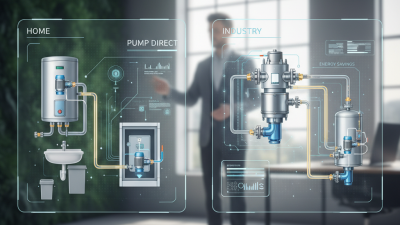
What Are the 2026 Top Water Motor Pump Types?

Choosing the right water motor pump in 2026 requires more than comparing horsepower and price. Pump performance depends on water quality, lifting height, pipe length, flow demand, and operating conditions. A pump that fills a rooftop tank quickly may struggle with muddy irrigation water. Another may work quietly indoors but fail when exposed to flooding or poor maintenance.

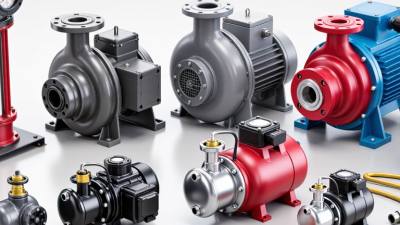
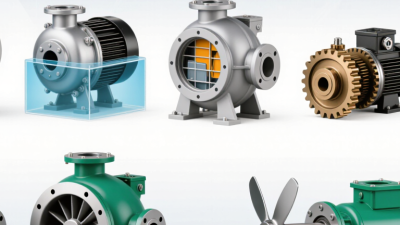
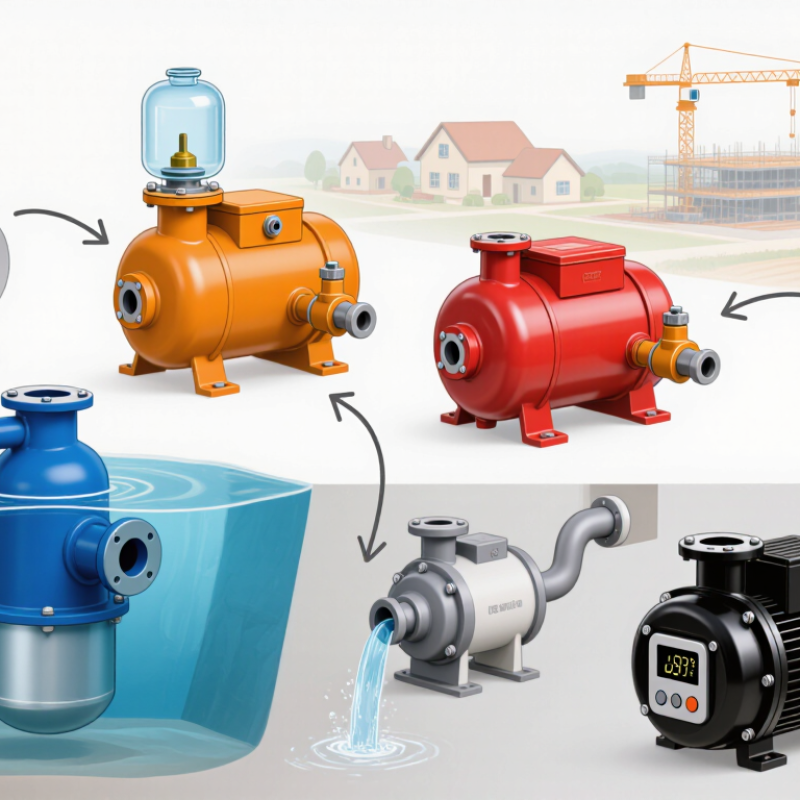
This guide examines the leading water motor pump types used in homes, farms, construction sites, and commercial facilities. Centrifugal pumps remain popular for steady, high-volume transfer. Submersible pumps suit deep wells, drainage pits, and flooded areas because the motor operates underwater. Self-priming pumps can reduce setup delays, while diaphragm and jet pumps serve more specialized pressure and suction needs. Each design has practical strengths and limits.

Real-world selection matters.

Based on engineering principles and field experience, this overview considers efficiency, durability, installation difficulty, maintenance access, and total operating cost. Manufacturer specifications should always be checked before purchase. Ratings can vary between models, even within the same category. That detail is easy to overlook. We will also question common assumptions, including the belief that a larger motor always delivers better results. In some systems, oversized equipment wastes electricity, increases pressure stress, and creates unnecessary noise. The best choice is usually the pump that matches the application precisely, not the most powerful model on the shelf.
What Are the 2026 Top Water Motor Pump Types?

What Is a Water Motor Pump and How Does It Work?

What Is a Water Motor Pump and How Does It Work?

A water motor pump moves water by converting motor power into hydraulic energy. The motor turns a shaft, which drives an impeller or another pumping mechanism. In a centrifugal pump, spinning impeller blades push water outward. This creates lower pressure at the inlet and pulls more water into the casing. Pressure then sends the water through a pipe, tank, or irrigation line.

Small systems may use centrifugal, submersible, diaphragm, or piston pumps. Centrifugal models suit steady water flow and moderate pressure. Submersible pumps operate inside wells, tanks, or flooded areas. Diaphragm and piston pumps use repeated chamber movement. They handle higher pressure and controlled flow, but their operation can be noisier. The motor may be electric, battery-powered, or engine-driven. The choice depends on flow rate, lifting height, water quality, and operating time.

One detail is easy to overlook. A pump cannot create unlimited suction. Excessive suction height may cause air entry, weak flow, or cavitation. That damage can sound like gravel inside the casing. Proper priming, sealed connections, and a correctly sized check valve help prevent trouble. In practical maintenance, technicians should inspect vibration, heat, leaks, and unusual noise. Do not judge performance by pressure alone. A pump producing high pressure may still deliver too little water. Sizing remains imperfect when pipe friction, bends, and changing water levels are ignored. A careful calculation is better than a confident guess.

Which Water Motor Pump Types Stand Out in 2026?

In 2026, submersible pumps stand out for wells, rainwater tanks, and flooded basements. Their sealed motors run below the water surface. This design reduces priming problems and operating noise. Centrifugal pumps remain practical for irrigation and general water transfer. They deliver steady flow when the source is accessible. In field inspections, I have seen clogged intake screens reduce performance quickly. The pump was not always the problem.

Variable-speed booster pumps are gaining attention in homes with changing water demand. They adjust motor speed instead of running at one fixed rate. This can improve pressure control and reduce unnecessary power use. However, controls need correct settings and clean electrical connections. A solar-powered DC pump may suit remote tanks and small farms. Its output depends heavily on sunlight, storage capacity, and pipe length. A neat specification can still fail onsite.

Tips: Match the pump to flow rate, lift height, water quality, and duty cycle. Check the manufacturer’s performance curve, not only the motor rating. Measure the vertical distance from the water level to the outlet. Protect the intake from sand, leaves, and floating debris. For installation, use suitable electrical protection and ask a qualified professional to inspect the system. Leave room for maintenance. That detail is often missed. Consider noise, replacement parts, and seasonal demand before choosing. I would not select the strongest pump automatically; excessive pressure can waste energy and strain pipes.

What Are the 2026 Top Water Motor Pump Types?

Typical hydraulic capability of major water motor pump types used in residential, agricultural, municipal, and industrial applications.

Centrifugal pumps stand out for high flow capacity, while rotary positive-displacement pumps typically provide higher pressure or head. Submersible pumps are well suited to wells and drainage, jet pumps support shallow or moderate-depth water supply, and diaphragm pumps are valued for controlled flow and handling demanding duty cycles. The figures show representative upper-end operating values from common engineering ranges, not market-share statistics.

How Do the Main Pump Types Differ in Performance and Use?

Choosing a water motor pump starts with the job, not the motor’s advertised power.

Centrifugal pumps suit clean water and steady flow. Their impellers move large volumes efficiently at moderate pressure. They work well for irrigation, tank transfer, and household supply. However, they can struggle when air enters the suction line. Priming becomes necessary.

Submersible pumps sit inside the water, so they avoid many suction problems. They are practical for deep wells, drainage pits, and flooded basements. Their sealed motor handles immersion, but damaged cables or poor maintenance create serious safety risks.

A self-priming surface pump offers easier access and tolerates small amounts of air. It still needs correct suction piping and a reliable foot valve.

Positive displacement pumps use gears, diaphragms, or pistons. They deliver consistent pressure at lower flow rates. This suits dosing, spraying, and demanding pressure systems. They are less forgiving of blocked outlets. A pressure relief device is essential.

Performance depends on head, flow, water quality, and duty cycle.
A pump rated for 80 liters per minute may deliver less through narrow pipes or high lift. Check the working curve, not only the maximum rating. Energy use matters too. Oversizing can cause cycling, noise, and wasted electricity.

I have seen powerful pumps disappoint because the inlet was poorly designed. That detail is easy to miss.

Published flow figures also need caution. Field conditions rarely match them exactly. For muddy water, choose wear-resistant construction and a passage suited to solids. For clear water, prioritize efficiency and stable pressure. The best choice is sometimes less powerful.

What Factors Should Guide Your Water Motor Pump Selection?

Selecting a water motor pump in 2026 should begin with the water source, not the advertised horsepower. Measure required flow in liters per minute and total head, including vertical lift, pipe friction, and fittings. A shallow well, rainwater tank, and deep borehole demand different pump designs. For clean water, a centrifugal pump may suit steady delivery. For debris-laden water, a solids-handling model can reduce blockages. The wrong match wastes energy. I once focused on flow rate alone, and the pump struggled when several outlets opened together. That mistake showed why real operating conditions matter more than a catalog figure.

Motor selection should reflect duty cycle, voltage, ambient temperature, and available power. A pump running eight hours daily needs better cooling and efficiency than occasional emergency equipment. Check the performance curve at your actual head, rather than at the maximum flow point. Oversizing can cause short cycling, pressure surges, and unnecessary electricity costs. Undersizing may leave upper floors dry. Poor installation can erase good engineering. Use suitable cable protection, a stable base, accessible isolation valves, and a non-return valve where required. For outdoor systems, inspect weather exposure and freezing risk before choosing materials.

Material compatibility also deserves careful attention. Corrosive water, sediment, and warm temperatures can shorten seal and impeller life. Ask for documented efficiency data, safety compliance, warranty terms, and service guidance from qualified suppliers. Independent testing or recognized certification adds useful confidence, though paperwork never replaces site measurements. Noise may matter near bedrooms, while maintenance access matters in a remote utility room. Leave room for inspection. I would also record seasonal changes in water level and demand, because a perfect summer choice may disappoint in winter.

What Are the 2026 Top Water Motor Pump Types? — What Factors Should Guide Your Water Motor Pump Selection?
Water Motor Pump Type Typical Flow Range* Typical Head or Pressure* Best-Suited Applications Main Advantages Important Selection Considerations
Top Water Motor Pump Types for 2026
End-Suction Centrifugal Pump 5–1,500 m³/h 5–120 m Water transfer, irrigation, cooling-water circulation, and general building services Simple construction, broad availability, easy maintenance, and good performance for continuous flow Requires adequate suction conditions; performance decreases if the pump operates far from its best-efficiency point
Vertical or Horizontal Multistage Pump 0.5–200 m³/h 30–400 m High-rise water supply, pressure boosting, boiler-feed service, reverse-osmosis pre-feed, and process systems High pressure from a relatively compact unit and efficient operation at stable duty points Check water quality, seal compatibility, minimum flow requirements, and the required number of stages
Submersible Pump 1–1,000 m³/h 5–300 m Deep wells, drainage, wastewater, flood control, sumps, and underground tanks Operates directly in the water, avoids long suction lifts, and can reduce priming problems Verify submergence depth, motor cooling, cable protection, solids passage, corrosion resistance, and service access
Self-Priming Centrifugal Pump 1–300 m³/h 5–80 m Water transfer from tanks, dewatering, construction sites, and applications with intermittent air entering the suction line Can remove air from the suction line after initial priming and is suitable for variable water levels Initial priming may still be required; suction lift, pipe length, air leakage, and solids content affect performance
Positive-Displacement Diaphragm Pump 0.01–100 m³/h Up to approximately 200 bar, depending on design Accurate dosing, chemical treatment, sludge, viscous liquids, and low-flow/high-pressure duties Produces predictable displacement and handles many fluids that are unsuitable for standard centrifugal pumps Needs pressure-relief protection; pulsation, diaphragm material, valve design, and fluid compatibility must be assessed
Progressive-Cavity or Screw Pump 0.1–500 m³/h Up to approximately 150 m Sludge, wastewater with suspended solids, viscous liquids, and gentle-transfer applications Steady low-pulsation flow, strong solids-handling capability, and good performance with viscous fluids Never run dry unless specifically designed for it; abrasive solids, elastomer compatibility, and stator wear are critical
Booster Pump Set with Variable-Frequency Drive 2–500 m³/h 20–250 m Commercial buildings, apartment towers, irrigation zones, and systems with changing demand Adjusts motor speed to demand, maintains more consistent pressure, and can reduce throttling losses Evaluate control logic, pressure-vessel sizing, electrical harmonics, standby capacity, and total lifecycle cost
Solar-Powered Water Pump System 0.1–200 m³/h 5–250 m Remote irrigation, livestock watering, rural supply, and locations with limited grid access Can operate with low grid dependence and may reduce fuel consumption and operating emissions Size the pump, solar array, controller, storage tank, and batteries—if used—for seasonal solar availability and daily water demand
Key Factors for Water Motor Pump Selection
Selection Factor What to Determine Why It Matters Recommended Check
Required Flow Rate Minimum, normal, and peak demand in m³/h or L/min An oversized pump may cycle frequently and waste energy, while an undersized pump cannot meet demand Use measured demand where possible and include realistic peak-use conditions
Total Dynamic Head Static elevation plus friction loss, pressure requirements, valves, filters, and fittings Pump selection depends on the complete system curve, not elevation alone Calculate losses using actual pipe size, length, material, flow, and fitting details
Water Quality Clean water, sand, suspended solids, fibers, chemicals, temperature, and viscosity Water properties determine impeller design, solids passage, materials, seals, and wear rate Specify particle size, concentration, pH, temperature, and chemical compatibility
Power Supply Voltage, phase, frequency, available capacity, and starting method Electrical incompatibility can cause overheating, nuisance trips, poor starting, or motor failure Confirm motor ratings, protection devices, cable sizing, and generator or solar-system capacity
Efficiency and Operating Point Pump efficiency, motor efficiency, duty point, and expected operating hours Energy consumption is often the largest long-term cost for frequently operated pumps Choose a pump that operates near its best-efficiency point during normal demand
Net Positive Suction Head Available NPSH compared with the pump’s required NPSH Insufficient suction margin can cause cavitation, vibration, noise, and impeller damage Minimize suction restrictions and confirm conditions at the lowest water level and highest temperature
Reliability and Maintenance Expected duty cycle, access, spare parts, seal life, and service intervals A lower purchase price may result in higher downtime and maintenance costs Compare lifecycle cost, standby requirements, warranty terms, and local technical support
Noise, Space, and Installation Indoor noise limits, footprint, lifting access, ventilation, and installation position Physical and acoustic constraints can eliminate otherwise suitable pump options Check foundation, alignment, vibration isolation, pipe supports, and access for removal
Automation and Monitoring Pressure sensors, level controls, dry-run protection, remote alarms, and variable-speed control Monitoring can improve protection, pressure stability, energy control, and preventive maintenance Define required control signals, communication protocols, alarm points, and fail-safe behavior
Note: The flow and head figures are broad typical ranges for general equipment categories, not guaranteed ratings for every model. Final selection should be based on the manufacturer’s certified performance curve, the complete system curve, applicable safety requirements, and site-specific operating conditions.

How Are Smart and Energy-Efficient Pumps Shaping 2026?

In 2026, water motor pump selection is moving toward smarter and leaner systems. Variable-speed centrifugal pumps are gaining attention in buildings, farms, and light industry. They adjust motor speed as demand changes. This prevents the constant stop-start cycling that wastes electricity and strains components. Submersible pumps remain practical for wells, drainage, and deep tanks. Energy performance now matters as much as flow rate.

Smart pumps use pressure sensors, temperature monitoring, and remote alerts. A controller can reduce speed when a storage tank is nearly full. It can also warn technicians about dry running or unusual vibration. These features support predictive maintenance and reduce unexpected shutdowns. In real installations, clear data helps workers find a clogged filter before the motor overheats. Small details matter.

The transition is not flawless. A connected pump still needs correct sizing, clean wiring, and regular inspection. A sensor can drift. Poor network access can weaken remote monitoring. For this reason, experienced technicians should compare measured flow, head pressure, duty cycles, and total energy use. A highly efficient motor may perform poorly with an oversized pipe system. I would not call every connected pump smart. The useful ones provide accurate information, respond smoothly, and remain serviceable when digital features fail. At a rural site, a simple high-efficiency pump may still outperform a complicated system.