2026 Top Motor Pump Types for Efficient Performance and Reliability?
In recent years, the demand for motor pumps has seen significant growth. The global motor pump market is projected to reach USD 30 billion by 2026, driven by increasing applications across various industries. These include agriculture, manufacturing, and water management, all relying on efficient and reliable motor pumps for optimal performance.
However, not all motor pumps are created equal. Many designs struggle with energy efficiency and durability. Reports indicate that poorly chosen motor pumps can lead to energy costs skyrocketing up to 30%. This not only impacts operational budgets but also raises sustainability concerns. Reflections on past product failures reveal a need for more meticulous engineering and a push for innovative designs that enhance reliability.
As the industry evolves, users are increasingly focused on selecting the right motor pump types. Ideal choices can improve performance while minimizing downtime. Understanding the attributes of each type will empower businesses to make informed decisions. The way forward will depend on continuous assessment and adaptation to novel technologies and practices in the motor pump sector.

Overview of Motor Pump Types for 2026
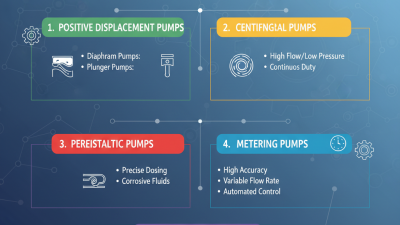
As we look ahead to 2026, various motor pump types will play crucial roles in achieving efficient performance and reliability.
Centrifugal pumps remain a popular choice, offering high flow rates and efficiency suitable for water transfer applications. A report from the Global Pump Market Insight indicates that centrifugal pumps account for over 60% of the market share. Their design is simple, yet they can face challenges like cavitation under specific conditions.
Submersible pumps are also notable choices for various industries, particularly in wastewater management. These pumps, designed for underwater operation, can handle solids effectively. However, they may require frequent maintenance, especially if not appropriately selected for the specific application. According to industry data, nearly 25% of failures are linked to improper installation or maintenance.
Tips: Choose the right specifications for your applications. Always assess the environment and required performance before the purchase. Regular maintenance is key to longevity and efficiency. Moreover, remember that not all pumps are versatile. Recognizing the limitations of each type can prevent unnecessary failures, saving time and money in the long run.
Key Performance Indicators for Motor Pumps
When evaluating motor pumps, key performance indicators (KPIs) are essential. These metrics offer insights into efficiency and reliability. Flow rate, for example, measures how much liquid a pump can move per minute. This metric depends on the pump type and design. It’s crucial for applications requiring specific flow levels.
Another indicator is energy consumption. A pump that uses less energy offers better efficiency. Monitoring energy efficiency can lead to significant cost savings. Additionally, examining the maintenance frequency helps gauge reliability. Pumps requiring frequent upkeep can disrupt operations.
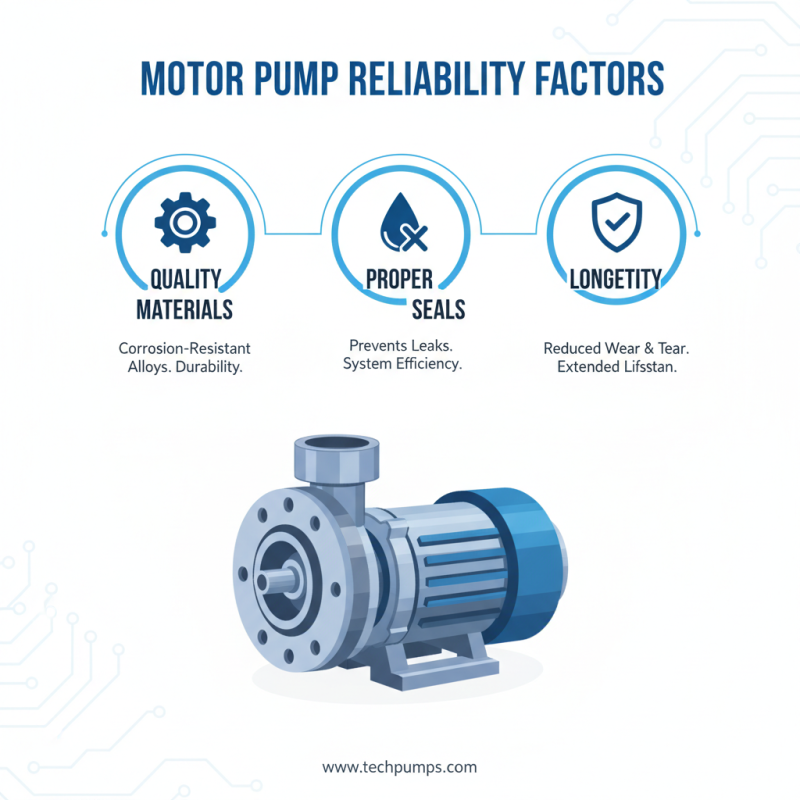
Durability also plays a vital role. Assessing material quality can predict lifespan. Harsh environments demand tougher pumps, yet they can be costly. Performance can vary based on usage. Understanding these nuances is critical. The process is complex, requiring constant evaluation. Choosing the right motor pump is not always straightforward.
Comparative Analysis of Efficiency in Motor Pump Designs
Motor pumps are essential in various industries. Efficiency plays a crucial role in their design. A recent report highlighted that energy consumption in motor pumps accounts for 20-30% of operational costs in many sectors. Therefore, enhancing efficiency can lead to substantial savings.
Different designs offer varying performance levels. For example, centrifugal pumps generally have higher flow rates, but may not be as energy-efficient compared to positive displacement pumps. Research indicates that positive displacement pumps can achieve efficiencies of over 90%. However, they might require more maintenance, which can offset some of the savings.
The choice of motor type also impacts overall performance. Electric motors are often preferred for their efficiency. Reports suggest that high-efficiency motors can reduce energy use by 5-10% when compared to standard motors. The gap in performance highlights the need for a thorough analysis of motor pump systems. Understanding the intricacies of design and operational factors is vital for making informed choices.
2026 Top Motor Pump Types for Efficient Performance and Reliability
| Pump Type |
Efficiency (%) |
Power Consumption (kW) |
Max Flow Rate (L/min) |
Operating Pressure (bar) |
| Centrifugal Pump |
86 |
5.5 |
150 |
4 |
| Positive Displacement Pump |
90 |
6.2 |
120 |
5 |
| Submersible Pump |
80 |
4.0 |
200 |
3 |
| Diaphragm Pump |
78 |
3.5 |
60 |
6 |
| Gear Pump |
85 |
5.0 |
80 |
5 |
Future Trends in Motor Pump Technology and Applications
The future of motor pump technology is exciting and full of potential. Innovations focus on energy efficiency and smart technology. Companies are shifting toward sustainable materials. This change reduces environmental footprints while maintaining reliability.
Another trend is the rise of IoT integration. Smart pumps can communicate data in real-time. This leads to better performance monitoring and predictive maintenance. In industries, users can expect reduced downtime and lower operational costs. However, there are challenges in data security and the learning curve for new systems.
Electric motors are evolving too. Brushless designs offer higher efficiency and longevity. They move air and liquids quietly and effectively. Yet, the initial cost may deter some buyers. It's essential to weigh the long-term benefits against initial investment. Users need to reflect on their unique needs and operational contexts before deciding.
2026 Top Motor Pump Types for Efficient Performance and Reliability