Choosing the right liquid transfer pump can shape daily productivity, maintenance costs, and workplace safety. Global buyers face different fluids, climates, power systems, and operating standards. A pump moving clean water may struggle with oil, chemicals, or thick syrup. Small details matter.
This guide reviews ten liquid transfer pump options for commercial, agricultural, industrial, and service applications. Each model should be judged by flow rate, pressure, viscosity range, construction materials, and duty cycle. Port size also matters. A narrow outlet can restrict performance. A stainless-steel body may suit demanding environments, while reinforced polymers can reduce weight and cost.
Real purchasing decisions need more than impressive specifications. Buyers should check priming behavior, seal quality, noise levels, replacement parts, and manufacturer support. Voltage compatibility deserves attention, especially for international projects. Documentation should clearly explain installation, maintenance, and safe fluid handling. Independent certifications can strengthen confidence, but they do not replace application testing.
No ranking is perfect. A strong pump for a workshop may be unsuitable for continuous factory service. I have seen performance claims look convincing until temperature, hose length, and fluid thickness changed. That is why this selection balances published data with practical considerations. Readers should still confirm compatibility with suppliers before ordering. A short trial can prevent an expensive mistake. The following overview highlights useful strengths, limitations, and buying considerations for each featured pump.
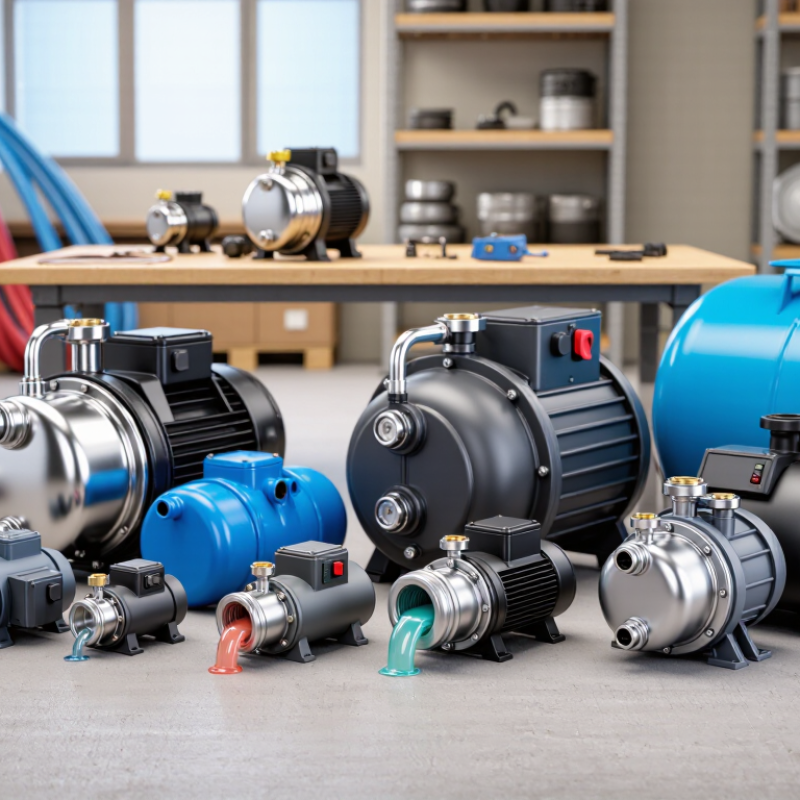
Choosing a liquid transfer pump starts with the duty, not the catalog photograph. Flow rate describes volume moved per unit time, while head describes pressure energy. A pump rated for 100 litres per minute may fail when the discharge line rises sharply. I check pipe length, elbows, filters, valves, and elevation before comparing models. Small details matter.
Viscosity changes real performance. Water-like liquids usually follow published curves closely, but syrup, oil, and detergents create more resistance. Higher viscosity can reduce flow, increase power demand, and alter priming behavior. Ask for correction data at the actual operating temperature. Ambient numbers can mislead. During field checks, I record fluid temperature beside pressure and flow readings. One weakness remains: operators sometimes estimate viscosity from appearance, which is unreliable.
NPSH deserves careful attention because cavitation can sound like gravel inside the casing. Available NPSH depends on tank pressure, liquid temperature, suction losses, and elevation. Required NPSH comes from the pump curve, and a safe margin should separate the two. Keep suction piping short, unrestricted, and properly sized. Check strainers regularly. A rushed selection may work during a cool-water test, then struggle with warm process liquid. Buyers should request tested curves, material compatibility data, duty-point tolerances, and installation guidance. Ask questions before ordering.
For global buyers comparing the top liquid transfer pumps, pump family matters more than catalog ranking. Centrifugal pumps suit low-viscosity liquids and steady, high-flow movement. They perform well in open systems, cooling loops, and water transfer. However, flow can drop sharply when pressure or viscosity rises. A dry-running event may also damage internal parts quickly. Keep suction piping short and adequately sized.
Positive-displacement pumps move a measured volume during each cycle. They handle oils, syrups, resins, and other viscous liquids more consistently. Gear, lobe, diaphragm, and screw designs offer different shear levels and maintenance demands. A relief path is essential because blocked discharge lines can create dangerous pressure. I would check actual viscosity at operating temperature, not only the datasheet value. Small temperature changes can alter pump performance considerably.
Air-operated double-diaphragm pumps are useful where electricity is unavailable, intermittent, or difficult to install. They tolerate suspended solids and can run dry for limited periods. Their drawbacks include pulsating flow, compressed-air consumption, and noticeable noise. Install a filter-regulator and monitor air pressure near the pump. One practical mistake is selecting by port size alone. Port dimensions do not guarantee suitable flow, material compatibility, or service life. Field testing remains valuable, because laboratory assumptions sometimes fail beside a cold tank, long hose, or unstable air supply.
Pump families compared by their typical liquid-flow operating envelope. Positive-displacement pumps generally provide accurate, high-pressure transfer at lower flow rates, while centrifugal pumps cover broader high-flow applications. Air-operated diaphragm pumps are valued for portability and handling difficult fluids.
Indicative industry ranges shown in cubic metres per hour (m³/h). Actual performance depends on pump size, liquid viscosity, temperature, pressure, materials, and system design.
The DOE benchmark deserves close attention: pumping systems may consume 25–50% of a motor’s energy. The number is significant. It covers more than the pump itself. Oversized motors, restrictive valves, long pipe runs, and poor maintenance can quietly increase demand. In field checks, I often find throttled centrifugal pumps running against unnecessary pressure. A variable-speed drive can reduce flow efficiently, but only when the process allows it. Pumping less does not always mean pumping better.
Global buyers commonly compare
Global buyers commonly compare centrifugal, multistage, diaphragm, gear, lobe, screw, piston, peristaltic, progressive cavity, and air-operated double-diaphragm pumps. Each design handles liquid differently. Centrifugal pumps suit clean, low-viscosity fluids and steady flow. Gear and lobe pumps manage thicker liquids, but clearances affect efficiency. Diaphragm and peristaltic designs can protect sensitive fluids, although their energy use may rise during frequent cycling. These differences matter more than a simple purchase price.
Review the duty point before selecting equipment
Review the duty point, viscosity, temperature, solids content, and required flow before selecting equipment. Check motor loading under real operating conditions, not only the nameplate rating. Ask for efficiency data across the expected flow range. This step is often missed. Pipe diameter also deserves attention; a narrow line can turn useful pumping into heat and friction. Maintenance records provide practical evidence, especially for seals, bearings, hoses, and valves. A technically suitable pump can still waste energy when installation assumptions are wrong.
For global buyers, pump selection should begin with the liquid, not the catalogue photo. The U.S. Department of Energy reports that pumping systems can consume nearly 25% of industrial electricity. Efficiency matters, but unstable viscosity and frequent starts often matter more.
Based on flow, pressure, material compatibility, and operating duty, centrifugal pumps rank first for high-volume water and low-viscosity liquids. Multistage centrifugal pumps follow for higher pressure. Screw pumps rank strongly for thick fluids and steady transfer. Gear pumps suit accurate, medium-flow dosing. Lobe pumps handle shear-sensitive liquids.
Diaphragm pumps offer flexible pressure performance and dry-running tolerance. Peristaltic pumps protect abrasive or contaminated fluids inside replaceable tubing. Piston pumps deliver high pressure, though pulsation requires attention. Air-operated double-diaphragm pumps fit intermittent service and difficult locations. Magnetic-drive pumps reduce seal leakage risks, but their flow range is usually narrower.
Material choice can reverse the ranking. Stainless steel supports hygienic and corrosive-duty applications, while polypropylene, PVDF, PTFE, and selected elastomers suit aggressive chemicals. The U.S. Chemical Engineering magazine’s pump-selection guidance repeatedly emphasizes viscosity, temperature, vapor pressure, and seal compatibility as design controls.
In practical testing, a pump that performs well with water may lose capacity sharply with cold oil. That is easy to overlook. Duty classification also deserves a closer review: continuous service needs heat control, correct bearing life, and motor sizing.
Market reports from Grand View Research identify industrial fluid handling as a major growth application, but market growth alone cannot prove suitability. Actual site data should decide the final ranking.
Top 10 Liquid Transfer Pumps for Global Buyers
Global buyers should evaluate compliance before comparing purchase prices. ISO 5199 defines technical requirements for centrifugal pumps, including performance, testing, and documentation. API 675 applies to controlled-volume positive-displacement pumps, where accuracy and repeatable flow matter. IEC 60034 covers rotating electrical machines, including motor performance, temperature rise, and efficiency classification. These standards are not interchangeable. A pump may meet one standard while failing another buyer’s application needs.
Energy dominates. The U.S. Department of Energy reports that pumping systems can consume 25–50% of industrial facility electricity. Therefore, motor efficiency, operating speed, control strategy, and duty-point accuracy deserve careful review. A small efficiency loss becomes expensive after thousands of operating hours. Ask for certified curves, test records, material certificates, and motor data. Check the actual fluid, temperature, viscosity, and suction conditions. Catalogue data can look convincing.
Total cost of ownership should include energy, seals, bearings, calibration, spare parts, installation, and unplanned downtime. A lower-cost pump can become expensive when seals fail every few months. The European Commission’s 2021 energy-efficiency analysis also highlights the importance of system-level savings, rather than component efficiency alone. My own screening can be imperfect. Real sites rarely operate at one fixed point. Buyers should model several load conditions and include local electricity prices. That calculation often changes the top-ten ranking.
Reference comparison for industrial liquid-transfer applications. Performance and cost ranges are typical engineering-market values for standard configurations and must be confirmed against the final duty point, liquid properties, country requirements, and supplier documentation.
| No. | Pump Configuration | Typical Flow Range | Typical Differential Pressure | Typical Liquid Temperature | Common Liquid Service | ISO 5199 Position | API 675 Position | IEC 60034 Motor Requirement | Indicative Purchase Cost | Indicative 5-Year Total Cost | Global Buyer Documentation Checklist |
|---|---|---|---|---|---|---|---|---|---|---|---|
| 1 | End-Suction Centrifugal Pump | 5–250 m³/h | 2–10 bar | 0–120 °C | Water, glycol, light process liquids | Applicable design basis | Not primary | IEC 60034 motor; efficiency class and IP rating specified separately | USD 2,000–12,000 | USD 8,000–45,000 | Datasheet, pump curve, material certificates, hydrostatic test record, motor certificate, vibration data, spare-parts list |
| 2 | Horizontal Split-Case Centrifugal Pump | 100–2,000 m³/h | 3–16 bar | 0–120 °C | Municipal water, cooling water, irrigation, fire-water systems | Applicable design basis | Not primary | IEC 60034 motor with site-specific voltage, frequency, IP and insulation class | USD 15,000–100,000 | USD 65,000–350,000 | Certified performance test, shaft and bearing data, alignment procedure, motor documents, lifting and installation instructions |
| 3 | Vertical or Horizontal Multistage Centrifugal Pump | 2–150 m³/h | 10–80 bar | 0–110 °C | Boiler feed, reverse osmosis, pressure boosting, clean process water | Applicable by configuration | Not primary | IEC 60034 motor; starting method and allowable starts per hour should be defined | USD 4,000–35,000 | USD 18,000–125,000 | Stage performance curve, NPSH data, pressure test, seal specification, motor efficiency data, operating manual |
| 4 | Magnetic-Drive Centrifugal Pump | 1–80 m³/h | 2–20 bar | -20–150 °C | Corrosive, toxic, volatile or contamination-sensitive liquids | Applicable by configuration | Not primary | IEC 60034 motor where an electric motor is supplied; hazardous-area rating may be additional | USD 3,000–30,000 | USD 15,000–110,000 | Containment-shell material, dry-run limitations, leak-tightness test, compatibility statement, motor and area-classification documents |
| 5 | Hydraulically Actuated Double-Diaphragm Metering Pump | 0.001–10 m³/h | 10–400 bar | -20–150 °C | Chemical dosing, water treatment, high-pressure injection | Not primary | Primary compliance route | IEC 60034 motor if electrically driven; actuator and control-system requirements also apply | USD 8,000–80,000 | USD 35,000–250,000 | Capacity accuracy test, relief-system details, diaphragm material data, pressure test, pulsation analysis, API 675 documentation |
| 6 | Plunger or Piston Metering Pump | 0.01–50 m³/h | 20–1,000 bar | -10–200 °C | High-pressure chemical injection, hydrocarbons, process additives | Not primary | Primary compliance route | IEC 60034 motor for motor-driven units; gearbox and coupling data should be supplied | USD 12,000–150,000 | USD 55,000–500,000 | API 675 data sheet, calibration report, pulsation dampener sizing, materials traceability, pressure-relief documentation |
| 7 | Air-Operated Double-Diaphragm Pump | 0.1–60 m³/h | 1–8 bar | -20–120 °C | Slurries, solvents, wastewater, viscous or shear-sensitive liquids | Not primary | Not primary | Not applicable to air drive | USD 800–15,000 | USD 6,000–70,000 | Air consumption curve, elastomer compatibility, grounding requirements, noise data, hazardous-area suitability, spare diaphragm schedule |
| 8 | Progressive Cavity Pump | 0.1–150 m³/h | 2–60 bar | -10–150 °C | Sludge, polymers, food products, oils and abrasive suspensions | Not primary | Not primary | IEC 60034 motor and gearbox documentation normally required for electric-drive packages | USD 4,000–45,000 | USD 22,000–180,000 | Rotor and stator material data, dry-run protection, torque calculation, wear-life estimate, motor efficiency and installation documents |
| 9 | Rotary Lobe Pump | 0.5–250 m³/h | 2–10 bar | -20–150 °C | Food, beverage, cosmetics, wastewater and hygienic liquids | Not primary | Not primary | IEC 60034 motor for electric-drive units; hygienic or washdown rating may be required | USD 5,000–40,000 | USD 25,000–160,000 | Hygienic design declaration where required, elastomer certificates, cleanability data, pressure-relief setting, motor documentation |
| 10 | Peristaltic Hose Pump | 0.01–100 m³/h | 2–15 bar | -20–100 °C | Abrasive slurries, chemicals, dosing liquids and shear-sensitive products | Not primary | Not primary | IEC 60034 motor for electric-drive packages; variable-frequency drive compatibility should be confirmed | USD 1,500–25,000 | USD 10,000–95,000 | Hose material and pressure rating, cycle-life data, speed-control range, containment requirements, motor and drive documentation |