2026 Best Liquid Transfer Pump Options for Your Needs?
Choosing the right liquid transfer pump can be daunting. There are various options available, each with unique features. Your specific needs will guide your selection.
Liquid transfer pumps are essential for many tasks. Whether you’re moving water, fuel, or chemicals, the right pump makes a difference. They save time and reduce spills. Understanding your requirements is crucial to find the perfect fit.
Keep in mind, not all pumps are created equal. Reliability and performance vary widely. Evaluating the best liquid transfer pump options for 2026 requires careful consideration. A pump that works for one user may not suit another. Explore the features carefully to ensure a good match.
Types of Liquid Transfer Pumps: An Overview of Options
When selecting a liquid transfer pump, understanding the different types available is crucial.
Diaphragm pumps are popular for their versatility and ability to handle various liquids. They work well for both thin and thick liquids, providing a reliable transfer method. These pumps are often used in laboratories and industrial applications due to their robust design.
Electric submersible pumps are another option. They are efficient for pumping larger volumes of liquid from deep sources. Their compact design makes them easy to install in tight spaces. However, they might require additional maintenance, especially in challenging environments. Users must ensure they are suitable for their specific tasks to avoid inefficiencies.
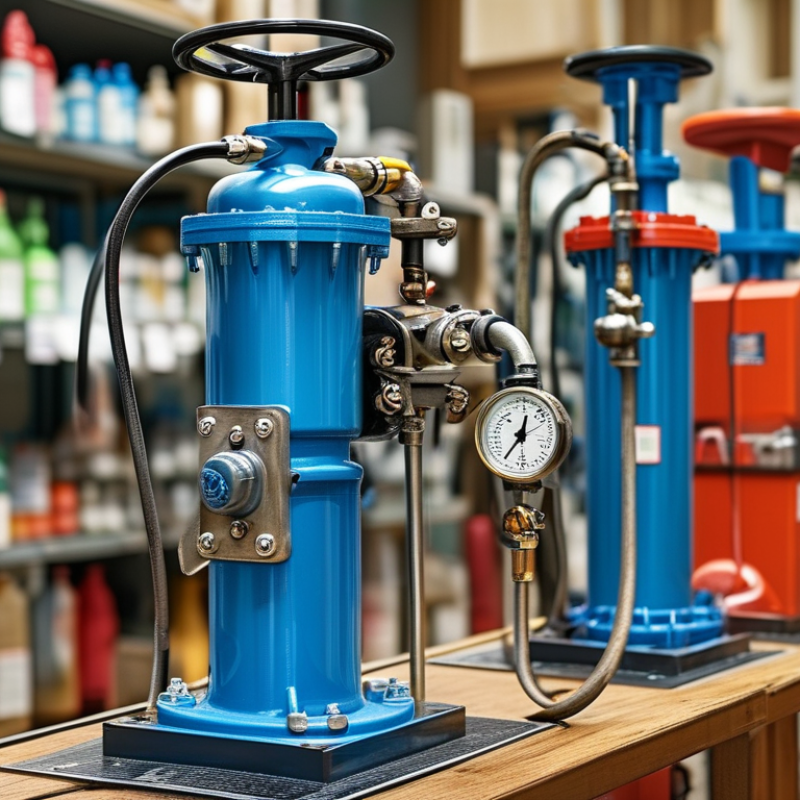
Hand-operated pumps offer an alternative for smaller jobs. They can be portable and require no external power source. This can be a practical choice in emergency situations or remote locations. Nevertheless, the physical effort involved can be a drawback for some users. Each type has its benefits and drawbacks, reflecting the diverse needs of users. Understanding these options can lead to more informed decisions.
Key Features to Consider When Choosing a Liquid Transfer Pump
When selecting a liquid transfer pump, several key features must be considered. The pump's flow rate is crucial. It indicates how quickly liquids can be transferred. A higher flow rate often improves efficiency. However, be mindful of the liquid's viscosity. Thicker liquids may require pumps designed specifically for heavy-duty tasks.
Portability is another essential factor. If you plan to move the pump frequently, look for lightweight designs with handles. Durability is also important. Pumps made from robust materials withstand regular use and harsh conditions. Weather resistance can further increase longevity.
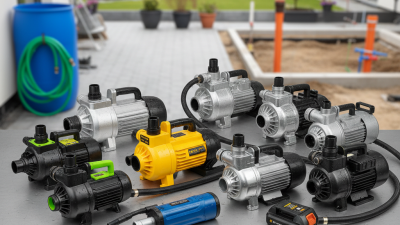
Consider the power source of the pump. Battery-operated models offer convenience, especially in remote areas. However, corded options might provide more consistent power for larger tasks. Finally, always check compatibility with the liquid type. Some pumps work best with specific liquids, which can influence performance. Choosing the right features can significantly enhance your fluid transfer experience.
Top Brands for Liquid Transfer Pumps in 2026
When choosing a liquid transfer pump, brand matters. You're looking for reliability, efficiency, and usability. Some brands have set industry standards by focusing on quality and innovation. They design pumps for various applications, ensuring each model meets specific needs. This attention to detail enhances user experience significantly.
Tips for selecting a pump: Assess your application first. Different tasks require different pumps. Consider flow rate, power source, and liquid type. For instance, a viscous substance may need a specialized pump. Testing a few options could reveal surprising differences in performance.
Quality should never be compromised. Read reviews and seek expert opinions on pump performance. It’s crucial to determine if a pump can handle your liquids without issues. Don't overlook warranty options, as they often reflect brand confidence. Engaging with user communities can also provide valuable insights. You might discover tips that significantly improve your experience.
2026 Best Liquid Transfer Pump Options for Your Needs
| Model |
Max Flow Rate (GPM) |
Max Lift Height (ft) |
Power Source |
Weight (lbs) |
| Model A |
30 |
15 |
Electric |
5 |
| Model B |
25 |
10 |
Manual |
6 |
| Model C |
40 |
20 |
Battery |
4 |
| Model D |
35 |
12 |
Gas |
7 |
| Model E |
28 |
8 |
Electric |
5.5 |
Comparative Analysis of Performance and Efficiency in Liquid Pumps
In the realm of liquid transfer pumps, efficiency is paramount. A recent industry report highlighted that the best-performing pumps can transfer liquids at rates exceeding 20 gallons per minute. This statistic underscores the importance of selecting a pump that not only meets but exceeds transfer requirements. For example, pumps designed for chemical compatibility often utilize advanced materials to ensure longevity and reduce downtime, leading to cost savings over time.
However, efficiency isn't solely about speed. Energy consumption plays a critical role in a pump's overall performance. On average, efficient pumps operate at an energy usage rate that is 30% lower than standard models. This reduction can significantly influence operational costs, especially in high-volume applications. It's essential to evaluate pump design and technology; some innovations may compromise performance for added features.
Moreover, maintenance practices are crucial for sustaining pump efficiency. Many operators overlook the effects of regular upkeep. Neglected pumps can lose up to 15% of their efficiency over time. Balancing performance and maintenance needs is a continuous challenge. Understanding specifications and conducting routine assessments are key for achieving optimal performance in liquid transfer applications.
2026 Best Liquid Transfer Pump Options - Performance and Efficiency Comparison
User Reviews and Recommendations for Best Liquid Transfer Pumps
Choosing the right liquid transfer pump is essential for various tasks. Users often share their experiences to guide others. Many complain about pumps that do not work well in cold conditions. Some find that lightweight pumps are easier to handle, but they may lack power.
One user mentioned that battery-operated pumps can struggle with larger volumes. However, they appreciated the portability. Reviews often highlight the importance of compatibility with different liquids. Users emphasize checking material compatibility to avoid leaks and damage.
In addition, noise levels can affect selection. Some prefer quieter models, especially for home use. Yet, these may come with a lower performance rate. Many consumers recommend considering the pump's ease of assembly. A complex setup can lead to frustration. When choosing, weigh user reviews carefully to make informed decisions.