Top 10 Benefits of Using a Diaphragm Pump in Various Industries?
Diaphragm pumps are vital in many sectors today. These pumps excel in transferring liquids, making them essential for various applications. The unique design of a diaphragm pump enables it to handle viscous fluids with ease. Industries rely on the efficiency of diaphragm pumps for consistent performance. Two diaphragm pump types are particularly useful: air-operated and electric-powered.
These pumps have gained popularity due to their ability to operate dry without damage. In addition, they minimize leaks, protecting the environment. Industries ranging from food processing to pharmaceuticals benefit greatly from these innovations. However, not all users understand their specific applications. This gap creates confusion and potential challenges in implementation.
Investing in diaphragm pumps requires careful consideration. Users must weigh the benefits against maintenance needs. As industries evolve, the demand for efficient and reliable pumps only increases. Diaphragm pumps offer a solution worthy of attention and reflection. Their impact can reshape operational efficiency across various fields, making them indispensable tools in modern industry.
Understanding the Basics of Diaphragm Pumps and Their Mechanism
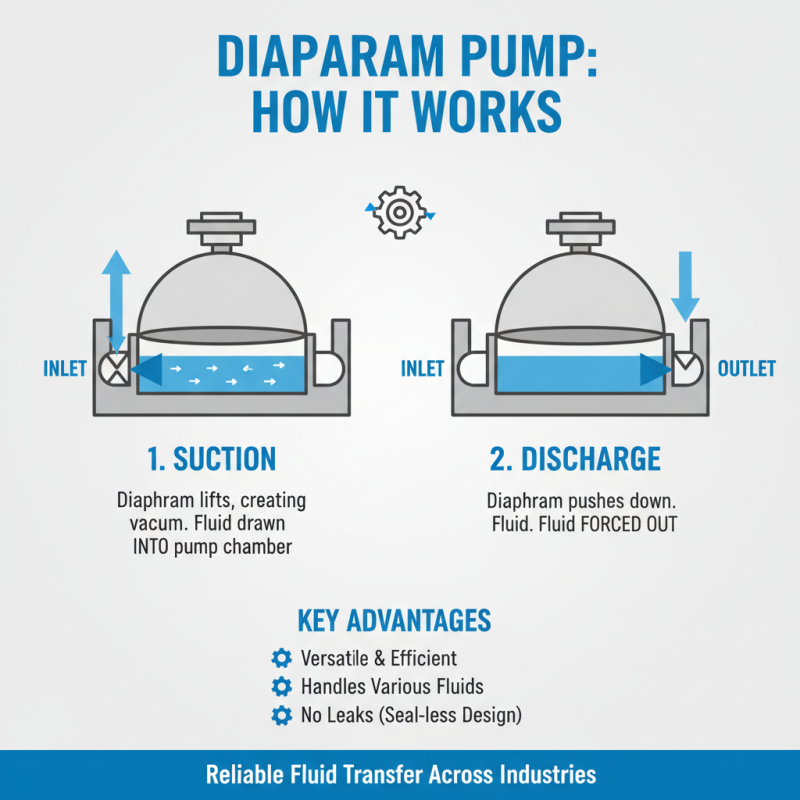
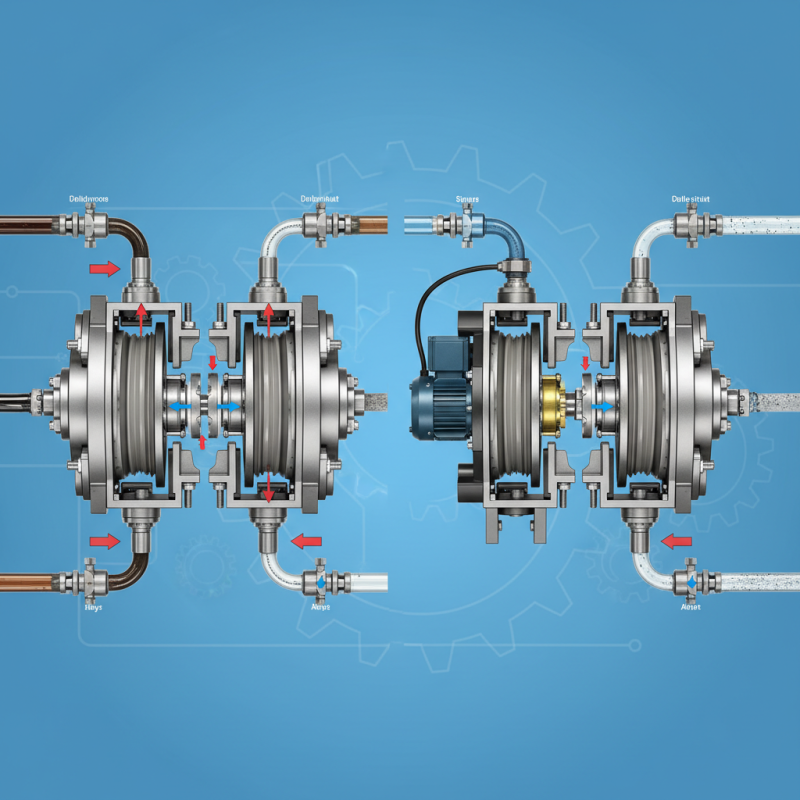
Diaphragm pumps are fascinating devices. They operate on a simple principle. The mechanism involves a flexible diaphragm that moves up and down. This movement creates a vacuum, drawing fluid into the pump. As the diaphragm pushes down, the fluid is expelled. It's efficient and versatile, making it a popular choice across different industries.
These pumps are widely used in chemical processing, food production, and even wastewater management. They are designed to handle various fluids, including viscous liquids and slurries. This adaptability is crucial for many applications. For example, in food industries, diaphragm pumps ensure sanitary operation. However, they also require regular maintenance to prevent wear and tear.
One can easily overlook the precision needed when using diaphragm pumps. A small misalignment can lead to inefficiencies. Consideration for the pump's environment is key. Factors like temperature and chemical compatibility must be addressed. Even small issues can disrupt operations. Understanding these nuances can significantly impact efficiency and reliability.
Key Industries Benefiting from Diaphragm Pumps: An Overview
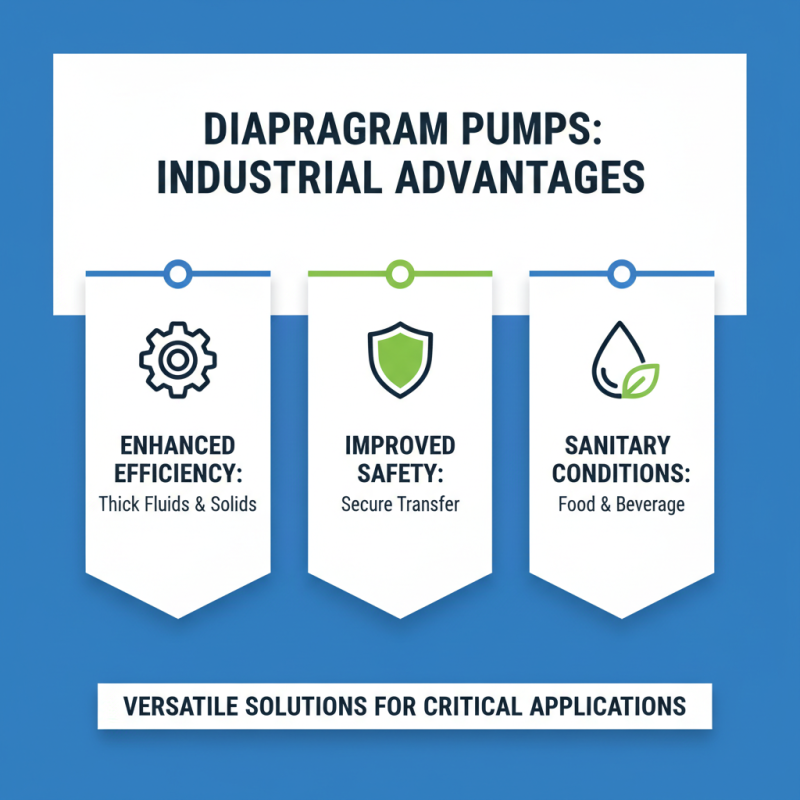
Diaphragm pumps are gaining traction across several industries. They offer unique advantages that can enhance efficiency and safety. These pumps excel in handling thick fluids or those containing solids. They are often used in the food and beverage sector for transferring ingredients. Their ability to maintain sanitary conditions is crucial in this industry.
In the chemical processing sector, diaphragm pumps provide reliable performance. They can manage corrosive materials without risk. This is particularly valuable in environments where safety is paramount. The construction industry also benefits from diaphragm pumps. They can efficiently move slurry and other challenging mixtures. However, issues like wear and tear must be addressed regularly.
Wastewater management is another key area. Diaphragm pumps efficiently handle varying fluid densities. This adaptability helps in the treatment processes. Yet, monitoring their performance is essential to prevent breakdowns. Overall, while diaphragm pumps offer significant advantages, ongoing evaluation of their efficiency is necessary.
Advantages of Diaphragm Pumps: Efficiency and Reliability in Operations
Diaphragm pumps have emerged as essential tools in various industries. Their efficiency is notable. A report from the “Pumps Market Analysis 2022” highlighted that diaphragm pumps reduce energy consumption by up to 35%. This efficiency stems from their ability to handle viscous fluids with ease. They minimize leakage risks, which can be a major drawback in other pump types.
Reliability in operations is another key advantage. According to an industry survey, diaphragm pumps have a failure rate of less than 2%, significantly lower than other pump technologies. They can operate in challenging environments, including high temperatures and corrosive conditions. For example, in chemical processing, these pumps maintain continuous flow without compromising safety. Their design allows for easy maintenance, which is crucial for minimizing downtime.
However, there are some limitations. The initial costs can be higher compared to centrifugal pumps, prompting hesitation in adopting diaphragm technology. Additionally, diaphragm wear can occur over time. Regular inspections are necessary for peak performance. Despite these challenges, the benefits often outweigh the drawbacks in many applications.
Environmental Impact: How Diaphragm Pumps Promote Sustainability
Diaphragm pumps are becoming popular across various industries due to their minimal environmental impact. These pumps provide an effective solution for transferring fluids without the risk of leaks. In sectors like pharmaceuticals and food processing, this feature is crucial. Leaks can lead to contamination or waste, impacting both safety and the environment.
Looking closer, diaphragm pumps minimize energy consumption. They operate efficiently, reducing the carbon footprint of industrial processes. This energy efficiency is vital in industries that often face scrutiny over resource use. However, some may wonder about the materials used in these pumps. Are they sustainable? The answer varies, but many manufacturers are moving towards longer-lasting, recyclable materials.
Additionally, the ability of diaphragm pumps to handle abrasive and viscous fluids adds to their sustainability credentials. They can reduce the need for multiple pumps, minimizing resource use. However, not all diaphragm pumps are created equal. It's essential to choose wisely and consider the entire lifecycle of the pump. Manufacturers must reflect on their designs to ensure long-term sustainability.
Maintenance and Cost-effectiveness of Diaphragm Pumps in Industry
Diaphragm pumps are widely used in various industries due to their low maintenance needs. These pumps have a simple design, making them easy to inspect. Periodic checks can help identify wear and tear. This approach reduces unexpected downtime.
Cost-effectiveness is a key advantage. Diaphragm pumps often have lower operational costs. They can run dry without damage, which is a big benefit. In some cases, specialized components can be replaced without replacing the entire pump. This flexibility results in significant savings over time.
However, it's important to consider material choices. They must match the fluid being pumped. Incorrect material can lead to premature failure. Regular maintenance routines should also be assessed. Sometimes, industries overlook small issues until they escalate. A proactive approach can extend the pump's lifespan considerably.
Top 10 Benefits of Using a Diaphragm Pump in Various Industries