
China Top 10 Diaphragm Pump Diaphragm Suppliers?
Choosing among China’s top 10 diaphragm pump diaphragm suppliers requires more than comparing catalog prices. Buyers must examine engineering capability, production consistency, and application experience. A supplier may offer impressive flow rates, yet its pump could struggle with abrasive slurry, solvent vapors, or frequent start-stop cycles.
This guide introduces ten Chinese manufacturers with relevant experience in pneumatic and electric diaphragm pump production. The evaluation considers material options, pressure stability, flow control, diaphragm life, testing procedures, and after-sales support. Details matter. A PTFE diaphragm may suit aggressive chemicals, while Santoprene or EPDM can perform better in other environments. Buyers should also review machining accuracy, leak testing, spare-part availability, and documented quality systems.
Factory evidence is valuable. Look for test benches, assembly records, traceable components, and clear technical drawings. Ask whether the supplier can provide performance data under conditions similar to your process. A pump tested only with clean water may not represent real chemical or slurry performance. Certification claims should be checked through valid documents and current issuing bodies.
No ranking is permanent. Supplier strengths change with product upgrades, delivery performance, and customer service. Some manufacturers have excellent engineering but limited overseas support. Others respond quickly but provide fewer customization options. This guide offers a practical starting point, not a final purchasing decision. Compare samples, request references, and confirm total operating costs before selecting a long-term partner. Small details often decide reliability.
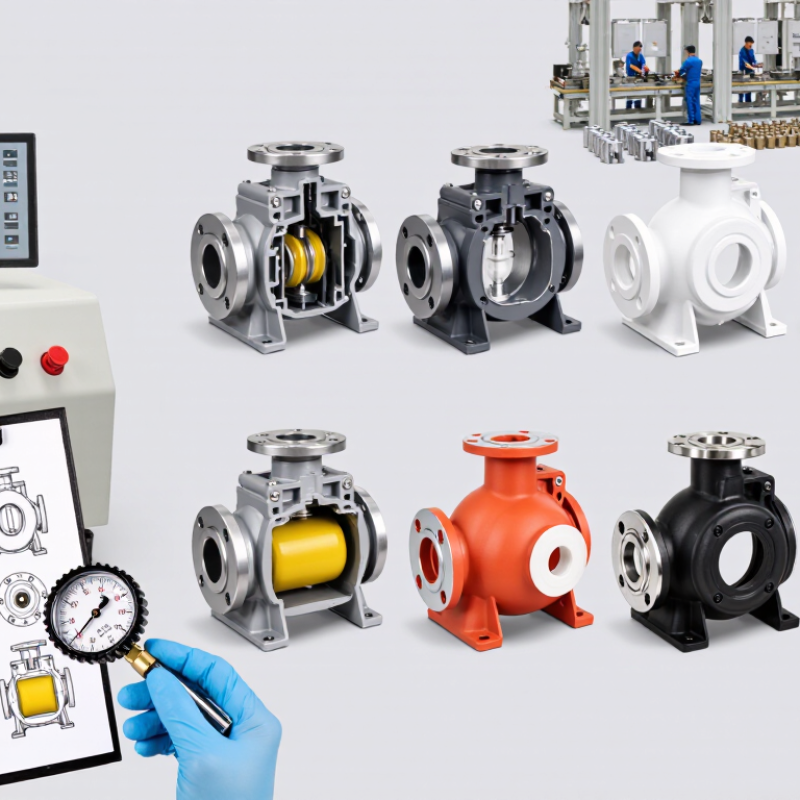
Diaphragm Pump Fundamentals: 8.3 bar (120 psi), 1,000 L/min
A diaphragm pump rated at 8.3 bar, or about 120 psi, can handle demanding transfer duties. At 1,000 L/min, water-like liquid flow equals 0.0167 m³/s. The ideal hydraulic power is approximately 13.8 kW. Real power demand will be higher because diaphragm flexing, air expansion, friction, and valve losses reduce efficiency. The calculation is clean. The site rarely is.
Flow and air consumption are not the same figure. A pneumatic pump may deliver 1,000 L/min of liquid while consuming substantially more compressed air. The U.S. Department of Energy’s Improving Compressed Air System Performance: A Sourcebook notes that compressed air can represent about 10% of industrial electricity use. Compressed Air Challenge guidance also identifies leaks as a frequent source of wasted capacity, sometimes reaching 20–30% of system output.
Specify the pump at its actual operating point, not only its maximum rating. Check suction lift, liquid viscosity, solids size, temperature, and cycle frequency. At 8.3 bar discharge pressure, a restricted suction line can cause unstable strokes or cavitation-like behavior. I would measure air pressure at the pump inlet, not only at the compressor. A small oversight remains: many catalogs quote test conditions that differ from a real installation. ISO 15783 and the manufacturer’s performance curve should support the final selection. Field testing still matters.
China Top 10 Diaphragm Pump Diaphragm Suppliers? - Diaphragm Pump Fundamentals: 8.3 bar (120 psi), 1,000 L/min
An anonymized technical comparison framework for evaluating diaphragm pump suppliers in China. Values represent common engineering ranges and must be confirmed against the selected pump model, test conditions, and application fluid.
| No. | Anonymous Supplier Profile | Typical Pump Type | Typical Maximum Pressure | Typical Flow Capability | Common Diaphragm Materials | Suitable Fluid Categories | Key Technical Evidence to Request |
|---|---|---|---|---|---|---|---|
| 1 | Industrial Air-Operated Double-Diaphragm Supplier | Air-operated double-diaphragm pump with bolted or clamped body | 7–8.6 bar; 8.3 bar is a common upper specification | Up to approximately 1,000 L/min for large-frame models | PTFE, Santoprene-type thermoplastic elastomer, NBR, EPDM | Paint, wastewater, chemicals, slurries, solvents and viscous liquids | Performance curve, pressure test report, air-consumption data, diaphragm compatibility chart |
| 2 | Chemical-Process Pump Supplier | Plastic or lined air-operated diaphragm pump | Approximately 6–8 bar depending on body material and diaphragm design | Approximately 100–700 L/min | PTFE, EPDM, FKM, polyethylene and polypropylene elastomers | Acids, alkalis, plating chemicals and corrosive process liquids | Chemical-resistance data, lining thickness, wet-end material certificate and leakage test |
| 3 | Food and Sanitary Pump Supplier | Sanitary diaphragm pump with polished wetted surfaces | Approximately 5–8 bar | Approximately 50–600 L/min | FDA-compliant PTFE, EPDM, silicone and food-grade elastomers | Food ingredients, beverages, dairy products and hygienic liquids | Surface-finish specification, hygienic design details, cleanability data and material declarations |
| 4 | Slurry and Abrasive-Service Supplier | Heavy-duty air-operated diaphragm pump with reinforced wet end | Approximately 6–8.3 bar | Approximately 150–1,000 L/min | Natural rubber, neoprene, NBR, PTFE and reinforced elastomers | Mineral slurry, ceramic slip, wastewater sludge and abrasive suspensions | Abrasion test data, solids-size limit, diaphragm cycle rating and wear-component drawings |
| 5 | High-Viscosity Liquid Pump Supplier | Large-port diaphragm pump designed for low-shear transfer | Approximately 5–8 bar | Approximately 80–800 L/min | PTFE, NBR, EPDM and polyurethane | Adhesives, resins, coatings, oils and viscous process fluids | Viscosity limit, suction-lift curve, pulsation data and flow derating information |
| 6 | Explosion-Risk Area Pump Supplier | Pneumatic diaphragm pump with conductive or grounded components | Approximately 6–8.3 bar | Approximately 50–600 L/min | Conductive PTFE, NBR, EPDM, FKM and static-dissipative materials | Flammable solvents, inks, fuels and combustible chemical liquids | Grounding continuity test, conformity documents, electrical classification and installation instructions |
| 7 | Oil and Lubricant Transfer Supplier | Air-operated diaphragm pump with oil-resistant wetted components | Approximately 6–8 bar | Approximately 30–500 L/min | NBR, FKM, PTFE and polyurethane | Lubricating oil, hydraulic oil, diesel and petroleum-based fluids | Elastomer swell data, fluid-temperature range, viscosity curve and shaft-free design confirmation |
| 8 | Wastewater and Utility Pump Supplier | Self-priming pneumatic diaphragm pump for general industrial service | Approximately 5–8.3 bar | Approximately 100–1,000 L/min | EPDM, NBR, natural rubber and PTFE | Wastewater, sludge, treatment chemicals and contaminated liquids | Free-particle passage, dry-running capability, self-priming height and maintenance schedule |
| 9 | OEM and Custom-Configuration Supplier | Configurable diaphragm pump with customized ports, materials or controls | Approximately 4–8.3 bar depending on configuration | Approximately 20–1,000 L/min | PTFE, EPDM, NBR, FKM, silicone and application-specific compounds | Process liquids selected according to the approved material combination | Engineering drawings, sample approval process, change-control procedure and batch traceability |
| 10 | Compact and Portable Pump Supplier | Small or medium air-operated diaphragm pump for mobile equipment | Approximately 5–7 bar | Approximately 5–250 L/min | PTFE, NBR, EPDM and thermoplastic elastomers | Transfer, dosing support, drainage and light-duty chemical handling | Weight and dimensions, portable-air requirements, spare-parts list and operating manual |
Related Posts
-
Top Pump Direct Suppliers for Global Buyers?
-
Top Precision Pump Manufacturers How to Choose the Best?
-
Top 10 Chemical Diaphragm Pump Features You Should Know?
-
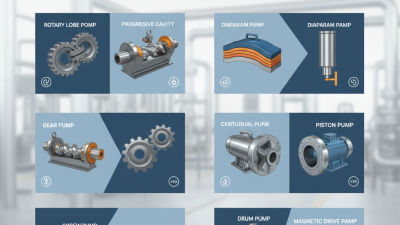
Top 10 High Viscosity Pumps for Efficient Fluid Handling in Industry
-
2026 How to Choose the Best Battery Pump for Your Needs?
-
How to Choose the Right Liquid Pump for Your Needs?