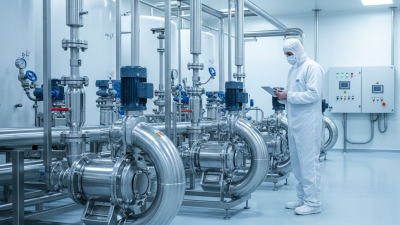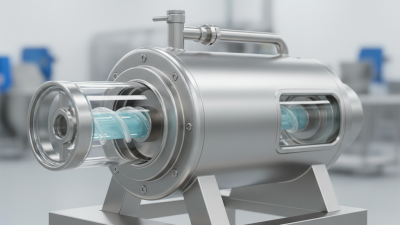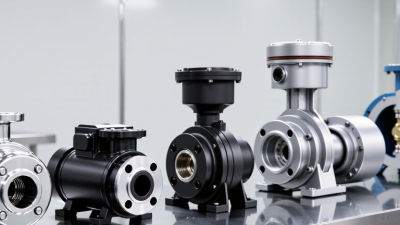
Choosing sanitary pumps for a food, beverage, pharmaceutical, or personal-care facility takes more than comparing catalog prices. A pump must handle the product gently, maintain reliable flow, and allow effective cleaning between production runs. Viscous yogurt, thin syrups, and temperature-sensitive ingredients can each place different demands on pump design. Small details matter. Seal materials, surface finish, connection sizes, and available service support can affect day-to-day performance.
This guide introduces ten sanitary pump manufacturers that global buyers may wish to evaluate. It focuses on practical purchasing considerations, including product range, hygienic design features, customization options, technical documentation, and support across regions. These are useful starting points, not a substitute for a site-specific assessment. A manufacturer’s capabilities and certifications can vary by model, market, and application, so buyers should confirm current specifications directly. That step is easy to overlook.
Before requesting a quotation, define the required flow rate, operating pressure, product temperature, and cleaning method. Ask how the pump handles solids, how quickly seals can be serviced, and whether spare parts are available near your facility. A polished brochure cannot answer every operating question. Performance also depends on installation, maintenance, and the actual product being pumped. The companies featured here offer different strengths, and no single supplier will suit every plant. Use the comparison to narrow your shortlist, then verify claims with technical documents, references, and a detailed discussion with the manufacturer.
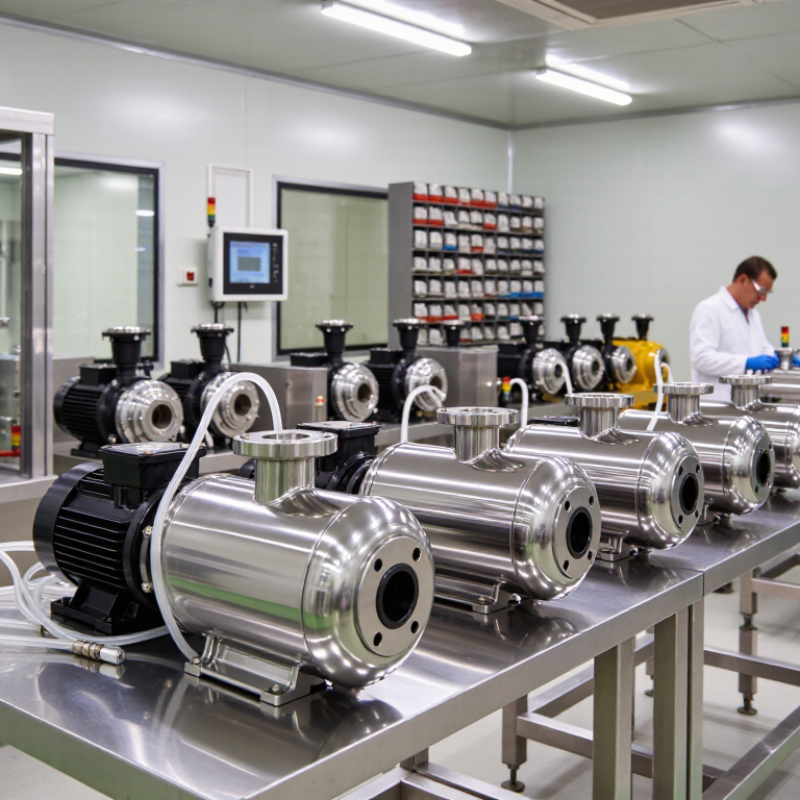
A sanitary pump moves liquids while limiting contamination and allowing effective cleaning. It is not simply a stainless-steel pump. Product-contact surfaces should be smooth, drainable, and free of hard-to-clean crevices. Seal materials must suit the product, temperature, and cleaning chemicals. 3-A Sanitary Standards and EHEDG hygienic-design guidance help engineers assess equipment, but a standard alone does not prove a pump fits every process. Stainless steel alone proves little. Surface finish, seal selection, and verified cleanability matter. Clean-in-place systems can reduce dismantling, yet poor piping layouts may still leave product trapped.
These pumps commonly handle milk, yogurt, sauces, beverages, and pharmaceutical fluids. They suit transfer, filling, and mixing lines where product purity and repeatable cleaning are important. The hygiene stakes are measurable: the WHO’s 2015 global burden report estimated 600 million foodborne illnesses and 420,000 deaths annually. The US CDC’s 2011 estimates counted about 48 million foodborne illnesses each year. These figures describe illness, not pump failures. Still, they explain why buyers should review cleaning records, material compatibility, and operating conditions—not just flow rate. A pump that looks polished may clean poorly in practice.
Approximate viscosity of selected fluids at about 20°C. Actual values vary with product composition and temperature; viscosity is one factor to consider when selecting a pump for food, dairy, beverage, pharmaceutical, and personal-care processing.
Sanitary pumps are designed with cleanable product-contact surfaces and hygienic construction to support cleaning and reduce contamination risks. Centrifugal pumps are commonly used for lower-viscosity fluids, while positive-displacement pumps are often considered for thicker or shear-sensitive products. Pump choice also depends on required flow, pressure, and cleaning process.
When evaluating sanitary pump manufacturers in China, look beyond catalog flow rates. Ask for performance curves showing flow, head, and efficiency at your actual liquid viscosity and operating temperature. Request material certificates for wetted stainless-steel parts, plus food-contact documentation for seals and elastomers. Details matter. Compare the specified surface finish, drainability, and dead-leg design against your plant’s cleaning procedure; a low roughness value alone does not prove hygienic performance. Ask for evidence.
That figure is not a pump-market statistic, but it shows why contamination controls deserve careful review. Ask manufacturers for factory acceptance test records, including vibration, leakage, and operating-point results. Check whether cleaning-in-place conditions have been tested with your detergent, temperature, and cycle time. A sample test using water may not represent a viscous product. Verify certificates with the issuing body, and request customer references from comparable food or beverage applications. Some suppliers provide impressive documents, yet leave operating assumptions unclear. That deserves a follow-up question.
Profiles of China’s top ten sanitary pump manufacturers are best compared by engineering focus, not slogans. One profile centers on centrifugal pumps for milk and beverage transfer. Another builds rotary-lobe units for soft solids. A third targets twin-screw pumps and variable product flow. Other profiles specialize in self-priming designs, viscous sauces, compact process skids, custom fabrication, export support, stainless-steel machining, or maintenance service. These are capability-based categories, not a verified ranking of individual factories.
The U.S. Department of Energy’s Improving Pumping System Performance: A Sourcebook for Industry reports that pumping systems use nearly 20% of global electricity, and 25–50% of energy in some industrial plants. That makes hydraulic efficiency more than a brochure detail. Buyers should compare pump curves at their actual flow and pressure, then check surface finish, weld quality, drainability, and seal access. Small details matter. A polished casing means little if product collects behind a gasket.
For each supplier profile, request material certificates, dimensional drawings, performance-test records, and evidence supporting stated hygienic-design claims. Ask how the pump handles cleaning cycles and temperature changes. A factory visit can reveal machining and assembly practices, but one visit is not proof of consistent production. Be cautious: public catalogs rarely show long-term seal life or service response. That gap deserves a direct question.
When comparing ten sanitary pump manufacturers for global purchasing, start with the duty, not the brochure. Match flow rate, pressure, viscosity, and cleaning method to each product range. A food-processing line may need gentle product handling, while a low-viscosity liquid may suit a centrifugal pump. Range matters. Check seal options, connections, and motor configurations before treating similar model names as equivalent.
Materials deserve close review. Confirm the grade and finish of wetted parts, plus elastomer compatibility with the product and cleaning chemicals. Ask for current certificates and their scope; a logo alone does not prove that every model or configuration is covered. Request drawings, material records, and surface-finish details for the exact pump being quoted. Small gaps matter.
Service can separate two technically similar offers. Compare response times, spare-parts availability, commissioning support, and the clarity of maintenance instructions. Ask who handles troubleshooting across time zones. The comparison is not perfectly tidy: published specifications may leave out practical details, and buyers can overlook them too. A short written checklist helps keep evaluations consistent, even when supplier answers arrive in different formats.
Data note: The entries below are anonymized manufacturer profiles, not a verified ranking or claims about specific companies. Product offerings and certifications vary by model and factory; confirm all specifications and documents with the supplier before purchase.
| Anonymous Profile | Typical Product Range | Common Wetted Materials | Certifications & Documents to Verify | Services to Compare | Best-Fit Applications |
|---|---|---|---|---|---|
| Profile 01 — Centrifugal specialist | Sanitary centrifugal pumps; single-stage configurations are common | 304 or 316L stainless steel; elastomer options vary | Request material certificates, surface-finish data, and applicable food-contact declarations | Curve selection, motor options, spare parts, and export packing | Low-viscosity liquids and general hygienic transfer |
| Profile 02 — Lobe-pump specialist | Rotary lobe pumps in multiple rotor and connection options | 316L stainless steel; product-contact elastomers selected by application | Verify elastomer compliance, traceability, and cleanability documentation | Rotor selection, seal support, maintenance guidance, and replacement parts | Viscous, shear-sensitive, or solids-containing products |
| Profile 03 — Twin-screw pump supplier | Twin-screw hygienic pumps, sometimes configured for product transfer and CIP duties | Typically 316L product-contact parts; confirm alloy and surface finish | Request model-specific hygienic design evidence and cleaning validation information | Application engineering, drive selection, commissioning, and service parts | Processes needing flexible flow and handling of varied viscosities |
| Profile 04 — Circumferential-piston supplier | Circumferential-piston or rotary piston pumps in sanitary configurations | 316L stainless steel; seal materials depend on the product and temperature | Check pressure limits, material traceability, and relevant market-specific declarations | Seal and rotor support, application review, and maintenance documentation | Hygienic transfer of viscous products and products with particulates |
| Profile 05 — Self-priming pump supplier | Self-priming sanitary centrifugal designs and related accessories | 304 or 316L stainless steel; confirm wetted-part specification | Request performance curves, priming limits, and material documentation | Installation advice, motor options, and spare-part availability | Drainage, tank emptying, and transfer where suction conditions require priming |
| Profile 06 — High-viscosity pump supplier | Lobe, screw, or other positive-displacement sanitary pump options | 316L stainless steel is common; verify seals and rotor materials | Ask for viscosity-specific performance data and temperature limits | Process assessment, speed or drive recommendations, and parts support | Creams, syrups, pastes, and other viscous products |
| Profile 07 — CIP-focused pump supplier | Sanitary centrifugal pumps and process configurations intended for clean-in-place systems | 316L stainless steel is often specified for wetted parts; confirm by model | Request cleanability details, drainability information, and surface-finish records | CIP application review, installation support, and documentation packages | Food and beverage process lines with routine cleaning cycles |
| Profile 08 — Hygienic process-package supplier | Sanitary pumps supplied with motors, bases, controls, or packaged skids | Usually specified by component; verify every product-contact part | Check component certificates, electrical conformity, and package-level documentation | System integration, drawings, factory testing, and installation coordination | Buyers seeking a pump package rather than a standalone pump |
| Profile 09 — Custom-configuration supplier | Sanitary pump models with configurable ports, seals, drives, or finishes | 304 or 316L stainless steel; non-standard materials require confirmation | Obtain drawings, bill of materials, inspection records, and written deviations | Engineering review, sample approval, and custom documentation | Projects with specific connection, layout, or process requirements |
| Profile 10 — Export-oriented pump supplier | One or more sanitary pump families offered for international shipment | Confirm grade, product-contact components, and finish for the selected model | Verify destination-market requirements, declarations, test reports, and certificate scope | Export packaging, manuals, remote support, and agreed delivery documentation | International buyers prioritizing documentation and shipment coordination |
Buyer check: Standards such as 3-A Sanitary Standards and EHEDG guidance are relevant to hygienic equipment, but their applicability or certification status must be confirmed for the exact pump model and intended market. Request current, model-specific evidence rather than relying on general supplier statements.
Selecting a sanitary pump manufacturer in China starts with your process, not a catalog. Define the liquid, viscosity, temperature, flow rate, pressure, and cleaning method. Small details matter. A pump handling warm syrup may need different clearances and seals than one moving cold water. Ask for material certificates, surface-finish data, and drawings that identify every product-contact component. If a supplier offers only a broad “food-grade” claim, request supporting records.
Compare manufacturers using evidence you can verify. Request a recent test report, dimensional inspection results, and clear photos of welds and internal surfaces. Confirm how the pump performs during CIP or SIP, if your process requires either. Share your operating range and ask for a written recommendation; a model number alone is not enough. A sample run with your actual fluid can help, though it may not represent every production condition. No test proves everything.
Before a larger order, agree on inspection points, spare parts, packaging, lead time, and technical response times. Put tolerances and acceptance criteria in the purchase specification. Check export experience through references and consistent documentation, not polished sales language. Price matters, but a very low quote can conceal limited testing or an unclear scope. Ask what is excluded. Compare installation, cleaning, maintenance, and downtime costs, and keep a record of the assumptions behind your choice.