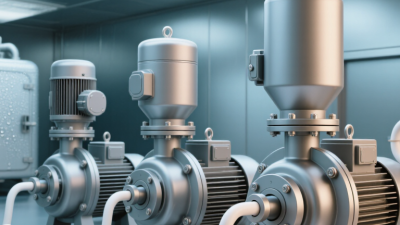
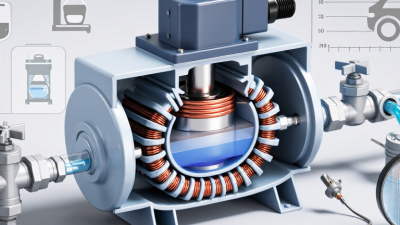
What Are the Top Types of Sanitary Pumps in 2026?
In 2026, choosing sanitary pumps is about more than moving product from one vessel to another. Pump design affects product quality, cleaning routines, energy use, and production uptime. A viscous yogurt base, a delicate fruit preparation, and a clear cleaning solution place very different demands on equipment. The right choice depends on the product, the process, and the realities of daily maintenance.
This guide compares the leading types of sanitary pumps, including centrifugal, positive-displacement, lobe, circumferential-piston, and twin-screw models. It considers where each design performs well, where it may struggle, and which details deserve closer review: flow rate, viscosity, shear sensitivity, cleanability, and seal access. Small design choices matter. A pump that looks suitable on a specification sheet may behave differently when ingredients vary or production schedules tighten.
As an expert principle, “The best sanitary pump is the one matched to the product and the cleaning routine—not simply the highest-capacity model.” This is an editorially written summary, not a verified quotation from a named specialist. No source material was supplied to confirm an expert’s name or exact words, so attributing it to a real person would be misleading. The overview also flags an important limitation: pump comparisons cannot replace testing against a facility’s actual product and operating conditions.
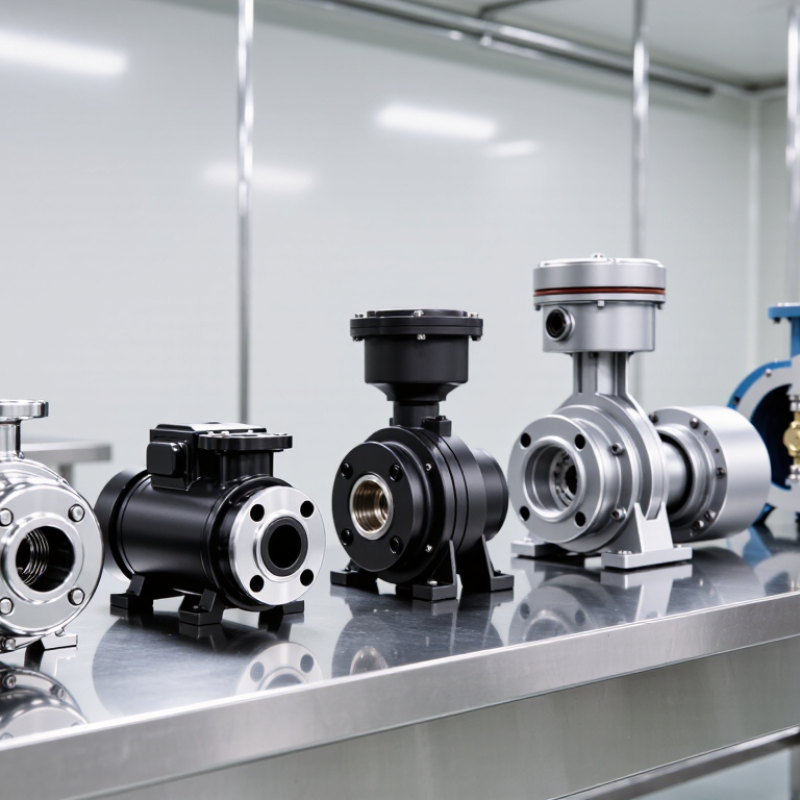
Sanitary Pump Design and Hygienic Requirements
What Are the Top Types of Sanitary Pumps in 2026?
Sanitary pump design now focuses on cleanability, gentle product handling, and reliable validation. Centrifugal pumps suit low-viscosity liquids, such as milk, water, and thin sauces. Rotary lobe and twin-screw pumps handle thicker products with fewer shear effects. Air-operated diaphragm pumps remain useful for delicate, abrasive, or irregular fluids. Each type needs a hygienic design, not merely a stainless-steel housing.
Product-contact surfaces should use corrosion-resistant materials with smooth, inspectable finishes. Crevices, dead legs, exposed threads, and trapped gaskets can retain soil. Pumps should drain completely after cleaning. Properly designed seals reduce leakage during CIP and SIP cycles. However, polished metal alone does not guarantee hygiene. Valve placement, pipe slope, flow velocity, and cleaning chemistry also affect performance. In practical plant reviews, these surrounding details are often underestimated. That mistake can increase downtime and microbial risk.
Tips: Choose a pump that matches viscosity, temperature, particle size, and shear sensitivity. Check seal compatibility before installation. Confirm drainability with the pump mounted in its real position. Sensor-ready designs can monitor pressure, vibration, and temperature, but data cannot replace physical inspection. Ask for documented surface finishes, material certificates, cleaning guidance, and maintenance procedures. Small gaps matter. Reviewing the design with operators can reveal problems engineers miss.
Top Types of Sanitary Pumps in 2026
A qualitative comparison of typical viscosity-handling capability. Scores are relative selection guidance, not measured performance ratings; actual limits depend on pump design and product conditions.
How to read: 1 = generally suited to low-viscosity products; 2 = can handle moderate viscosity; 3 = commonly selected for higher-viscosity products. Centrifugal pumps are often used for free-flowing liquids, while positive-displacement designs such as lobe, twin-screw, circumferential-piston, and diaphragm pumps can suit more viscous or shear-sensitive products. Hygienic selection also depends on cleanability, drainability, materials, seals, and validated cleaning procedures.
Centrifugal Sanitary Pumps: Uses and Key Features
Centrifugal sanitary pumps move low-viscosity liquids by spinning an impeller inside a smooth, enclosed casing. In a dairy line, they can transfer milk from a balance tank through stainless-steel piping at a steady rate. Food and beverage processors also use them for juice, water, and some cleaning solutions. They are often chosen when flow demand is relatively high and the product pours easily.
Their design can support hygienic operation. Polished product-contact surfaces, drainable casing geometry, and suitable seals help limit residue traps. Many systems are configured for clean-in-place cycles, where cleaning fluid passes through the pump without routine dismantling. Details matter. A poorly drained section or unsuitable elastomer can undermine an otherwise sound setup.
Centrifugal pumps are not ideal for every product. Thick syrups may need another pump style, while air mixed into a liquid can disrupt flow. High impeller speed may also affect delicate products, depending on the pump and process conditions. A practical selection starts with viscosity, temperature, required flow, and cleaning method—not just pipe size. I would still verify the actual operating point with process data; catalog figures alone can be misleading.
Positive-Displacement Sanitary Pumps: Main Designs
Positive-displacement sanitary pumps move a defined volume with each shaft turn, making them useful for viscous foods, creams, and products containing soft particles. The main designs are rotary lobe, circumferential piston, twin-screw, and flexible-impeller pumps. Lobe pumps handle gentle transfer well, while circumferential piston designs tolerate higher pressure. Twin-screw models can often support both product transfer and cleaning-in-place, reducing pipework changes. Flexible-impeller pumps suit compact, lower-pressure duties, but their elastomeric vanes can wear faster with abrasive products. Small details matter: a drained casing, smooth internal surfaces, and accessible seals make cleaning and inspection more reliable.
Selection should follow the product and process, not a catalog ranking. Check viscosity across operating temperatures, particle size, required flow, pressure, and cleaning method.
The U.S. Department of Energy’s Improving Pumping System Performance sourcebook reports that system assessments can identify energy savings of 20–50 percent in pumping systems.
That range is not a promise for sanitary pumps; it highlights the value of matching pump capacity to actual demand. Oversizing remains a common, costly mistake. A pilot test with the real product can reveal pulsation, shear, or cleaning problems that specifications may miss. I would still question any choice made from flow rate alone.
How to Select a Sanitary Pump for a Specific Application
What Are the Top Types of Sanitary Pumps in 2026?
Selecting a sanitary pump starts with the product, not the pump catalogue. Centrifugal pumps suit low-viscosity liquids, such as milk, juices, and cleaning solutions. Positive displacement pumps handle thicker products, including yogurt, sauces, and creams. Air-operated double-diaphragm pumps can help with delicate or shear-sensitive materials. However, they may introduce more pulsation. That detail is easy to overlook.
Match the pump to flow rate, pressure, temperature, and cleaning method. A high-speed centrifugal pump may damage a product containing fragile particles. A rotary lobe or progressive cavity pump can move it more gently. Check the required flow at actual operating pressure, not only the advertised maximum. Confirm the pump’s wetted materials, seal design, surface finish, and drainability. These factors affect hygiene, maintenance, and product loss. In my experience, many selection errors come from testing with water alone. Water behaves differently from cream or fruit concentrate.
Tips: Ask for a product sample test when viscosity changes during processing. Measure the smallest and largest expected batch. Select a pump that avoids dead zones and supports validated cleaning procedures. Keep spare seals available, but do not replace them without checking compatibility. Listen for unusual vibration or cavitation. Small warning signs matter. Also review noise, energy use, and operator access before installation. A technically suitable pump can still become impractical if cleaning takes too long or inspections require unsafe positioning.