Top 10 Waterproof Micro Switch Features and Benefits?
The demand for Waterproof Micro Switches has surged in recent years, driven by advancements in technology and broader applications. Research indicates that the global micro switch market is projected to reach $1.5 billion by 2026, highlighting the essential role of waterproof micro switches in various industries. These switches are vital in environments subject to moisture, dust, and other contaminants.
Waterproof Micro Switches offer distinct benefits, such as increased reliability and durability. Their protection against environmental factors ensures optimal performance over time. A significant challenge lies in selecting the right features for specific applications. Not all waterproof micro switches deliver the same level of protection. For instance, certain models may resist water intrusion but lack resistance to dust, reducing their effectiveness in harsh conditions.
Investing in the right waterproof micro switch is crucial for industries like automotive, aerospace, and appliances. The proper switch can mean the difference between seamless operation and costly failures. Understanding the features and benefits of these switches helps mitigate risks. However, ongoing research and innovation are essential to bridge gaps in technology and improve overall efficiency.
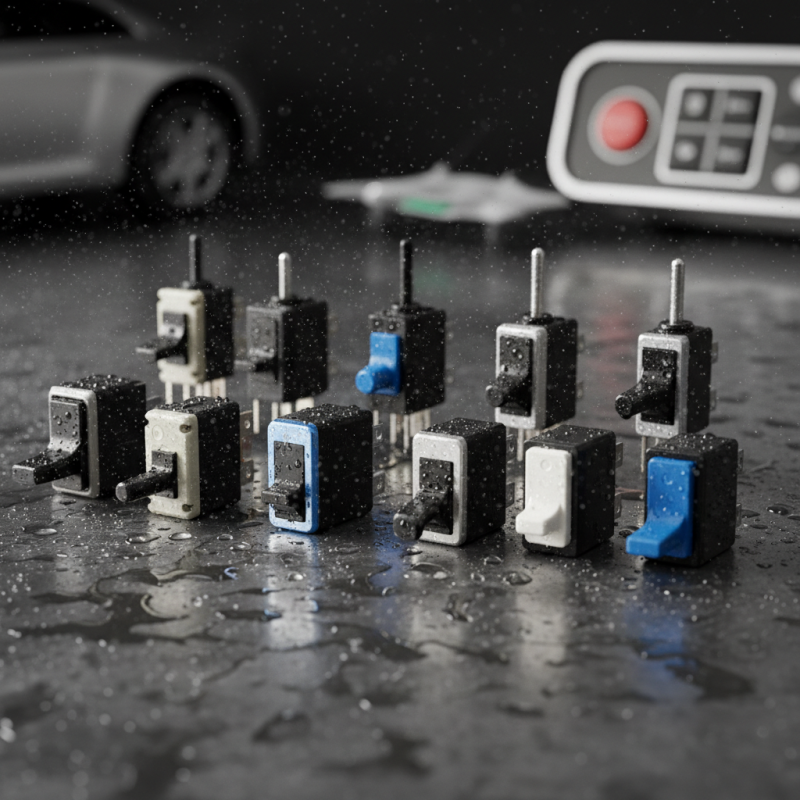
Waterproof Micro Switch Overview: Definition and Application
Waterproof micro switches are essential components in various applications. They offer reliable performance in environments exposed to moisture and dust. These switches are often used in automotive, marine, and outdoor equipment. Their ability to function under harsh conditions makes them a popular choice.
These micro switches are designed with specific features to enhance their performance. They often include sealed enclosures to prevent water ingress and corrosion. Additionally, they may have a higher operating temperature range. Their compact size allows for easy integration into existing systems. The tactile feedback they provide is important for user interaction.
Not all waterproof micro switches are created equal. Some may struggle in extreme environments or have limited durability. It's important to review the specifications carefully. Many users overlook the impact of mounting orientation on their performance. Selecting the right switch requires understanding both the application and the operating conditions. Balancing cost and functionality is another challenge.
Key Features of Waterproof Micro Switches: An In-Depth Analysis
Waterproof micro switches are essential in many applications. They excel in environments exposed to moisture and dust. Their design ensures reliability and longevity, especially in challenging conditions. These switches use special materials that resist corrosion and deterioration. This feature is important for maintaining function over time.
One key aspect is the IP rating of waterproof micro switches. A higher IP rating indicates better protection against water and solid objects. While it can be informative, users often overlook the specific requirements for their applications. Some may assume all waterproof switches are equal. In reality, the type and level of protection vary widely.
Another critical feature is the actuator mechanism. Different designs affect how easily the switch operates. A poorly designed actuator can lead to user frustration. Users might not consider how this small part impacts overall performance. The tactile feedback from a micro switch can influence usability. However, some switches may lack the sensitivity users desire. Exploring these details leads to better-informed choices in selecting waterproof micro switches.
Benefits of Waterproof Micro Switches in Harsh Environments
Waterproof micro switches play a crucial role in harsh environments. These switches resist moisture, dust, and other contaminants. Their design often includes sealed housings that protect internal components. This feature enhances their lifespan and reliability, especially in outdoor applications.
In industrial settings, exposure to water can lead to equipment failure. A waterproof micro switch reduces maintenance needs. It enables devices to operate smoothly in extreme conditions. These switches also provide consistent performance, even in unpredictable weather. However, it's important to note that not all waterproof switches are created equal. Some may still fail under severe conditions. Testing and quality assurance are vital to ensure effectiveness.
In addition, using waterproof micro switches can lead to energy efficiency. Devices often consume less power when they operate reliably. This aspect is beneficial for battery-operated devices. Users should consider specific applications when selecting these switches. Understanding limitations can help make informed choices. The right micro switch can make a difference in performance and durability.
Top 10 Waterproof Micro Switch Features and Benefits
This chart illustrates the top 10 features and benefits of waterproof micro switches, highlighting their importance in harsh environments. Each feature is rated on its benefit level, showcasing the advantages that make these switches ideal for demanding applications.
Comparison of Waterproof Micro Switch Types and Their Advantages
When examining waterproof micro switches, several types stand out based on their features and advantages. The common types include sealed, submersible, and splash-proof micro switches. Each type has its own suitability depending on the environment. For instance, sealed micro switches can resist dust and moisture to a certain extent, making them ideal for outdoor applications. According to industry data, these switches achieve an IP67 rating, which means they can withstand temporary submersion in water.
Submersible switches, however, offer enhanced protection. They maintain functionality even when fully submerged, typically achieving an IP68 rating. This makes them essential for aquatic applications, such as marine equipment. Regularly utilized in industrial settings, these switches may experience failures if not properly rated for their environment. Reports highlight that submersible designs have a failure rate of about 5% in harsh conditions, prompting manufacturers to rethink materials and design.
On the other hand, splash-proof switches are suitable for environments prone to splashes rather than full immersion. They generally hold an IP65 rating, which protects against water jets. Yet, their limitations require users to consider the specific application carefully to avoid unexpected failures. While these switches are cost-effective, they might not always provide the reliability needed in critical situations. This inconsistency is an important factor when selecting the right type for an application.
Installation and Maintenance Tips for Waterproof Micro Switches
Waterproof micro switches are essential for many applications. Proper installation ensures they perform effectively in challenging environments. Here are some tips to consider.
Choose the right location for the switch. Avoid spots where water may pool. Ensure that your switch is oriented correctly. This prevents moisture from seeping into the housing. Additionally, check the integrity of any seals during installation. A tight seal protects the internal components.
Regular maintenance is crucial. Inspect the switches periodically for signs of wear. Look for corrosion or damage around the edges. Clean the switches with a soft brush to remove any debris. This action can prevent malfunction. Pay attention to the environment too. Excessive dust or humidity can affect performance. Do not overlook these factors.
While waterproof micro switches can withstand harsh conditions, they are not invincible. Take proactive steps to ensure longevity. Being vigilant about maintenance may help catch issues before they escalate. A little care goes a long way.
Top 10 Waterproof Micro Switch Features and Benefits
| Feature | Benefit |
| Waterproof Rating (IP67) | Protection against dust and immersion in water, ensuring reliability in harsh environments. |
| Durable Material | Long lifespan even under extreme conditions, reducing replacement costs. |
| Compact Size | Easily fits into tight spaces, providing versatility in design. |
| High Toggle Force | Ensures reliable switching and reduces accidental triggers. |
| Corrosion Resistance | Increases longevity in corrosive environments, maintaining functionality. |
| Wide Operating Temperature Range | Functionality in extreme temperatures, broadening application usage. |
| Quick Response Time | Instantaneous feedback for applications requiring rapid switching. |
| Low Power Consumption | Energy-efficient operation, beneficial for battery-powered devices. |
| Easy Installation | Simplified setup process reduces installation time and effort. |
| Environmentally Friendly | Manufactured using eco-friendly practices, contributing to sustainability efforts. |