What is a Water Pump and How Does it Work Explained Simply
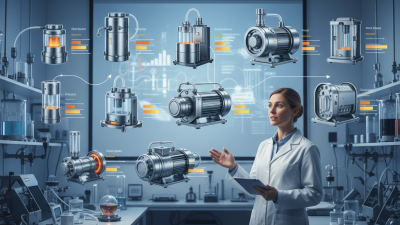
Understanding the function and mechanics of a water pump is essential for various applications, from residential plumbing systems to large-scale industrial operations. As water transfer plays a vital role in numerous sectors, the insight from industry expert Dr. Emily Carter, a renowned engineer in fluid dynamics, underscores the significance of this topic. She states, "A water pump is not just a mechanical device; it's a vital component that ensures the efficient movement of water in our daily lives."
Water pumps come in various designs and serve multiple purposes, primarily focused on transferring water from one location to another while overcoming resistance to flow. In the simplest terms, these devices utilize mechanical energy to generate fluid motion, which makes them indispensable in irrigation, firefighting, sewage systems, and more. Understanding how these pumps work not only enhances our appreciation for this technology but also informs better choices regarding their application and maintenance.
In this article, we will delve into the world of water pumps, exploring the various types available, their mechanisms, and the fundamental principles that allow them to operate effectively. By simplifying these concepts, we aim to equip readers with the knowledge necessary to understand and utilize water pumps effectively in their respective fields.
What is a Water Pump: Definition and Purpose
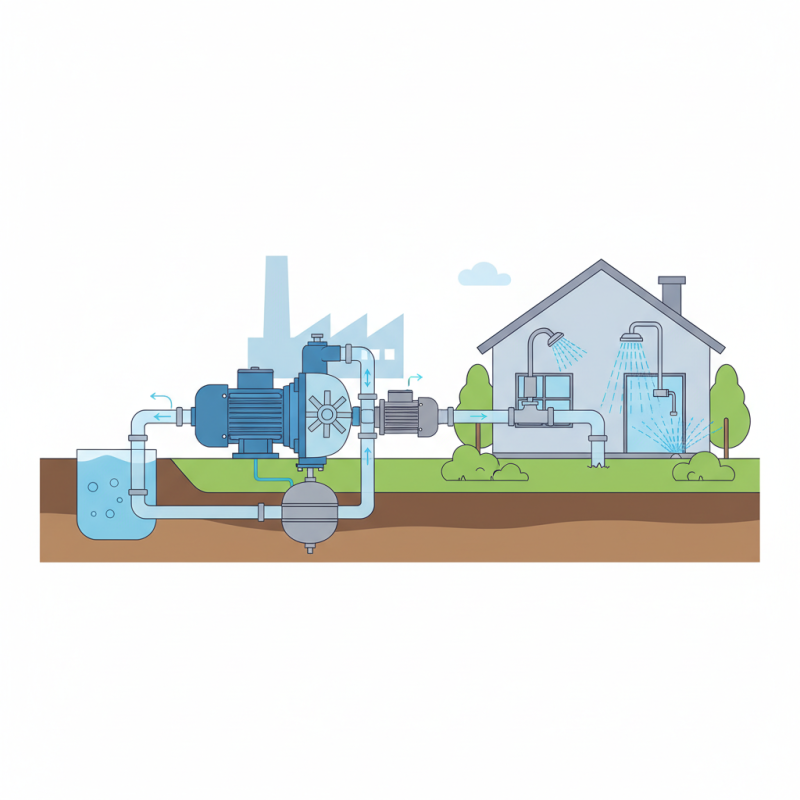
A water pump is a mechanical device designed to move water from one location to another, playing a crucial role in various applications such as irrigation, water supply, and drainage systems. The primary purpose of water pumps is to facilitate the transportation of water efficiently and effectively, whether for agricultural, industrial, or municipal use. According to a report by the Hydraulic Institute, the global market for water pumps is expected to reach approximately $76 billion by 2026, driven by the increasing demand for water management solutions and the expansion of infrastructure in developing economies.
Water pumps operate based on the principle of converting mechanical energy into hydraulic energy, allowing them to create a pressure differential that moves water through a system. They can be categorized into several types, such as centrifugal pumps, which use rotational energy to move water, and positive displacement pumps, which physically push water through a chamber. The selection of a specific pump type depends on factors such as the required flow rate, the height water needs to be lifted, and the nature of the fluid being transported.
The Global Pumps Market Report highlights that advancements in pump technology, including energy efficiency improvements and smart pump systems, are pivotal in optimizing water resource management and minimizing operational costs.
Types of Water Pumps: An Overview of Common Varieties
Water pumps are essential devices used to move water from one location to another, and they come in various types, each serving unique purposes. The most common type is the centrifugal pump, which utilizes a rotating impeller to create a flow of water through centrifugal force. These pumps are widely used in irrigation, municipal water systems, and industrial applications due to their efficiency and ability to handle large volumes of water.
Another popular variety is the positive displacement pump, which operates by trapping a fixed amount of water and forcing it through the outlet. This type is particularly useful in situations where precise flow control is necessary, such as in chemical processing or food production. Submersible pumps are also notable, designed to operate underwater, making them ideal for applications like draining flooded areas or supplying water from wells. Each of these pump types has distinct advantages and applications, making them integral to various sectors including agriculture, construction, and residential use.
Types of Water Pumps: A Comparative Overview
This bar chart illustrates the efficiency of various types of water pumps measured in gallons per minute (GPM). Centrifugal pumps offer the highest efficiency, making them ideal for large-scale applications, while diaphragm pumps provide lower output but are effective for specific uses.
The Principles of Pump Operation: How They Move Water
Water pumps are essential devices used to move water from one place to another, and their operation is grounded in fundamental physical principles. The core function of a water pump revolves around creating pressure differences to facilitate the movement of water. It typically operates on the principle of displacement or centrifugal force. In displacement pumps, a mechanism pushes water into a chamber and forces it out through an outlet. Conversely, centrifugal pumps utilize a rotating impeller to impart velocity to the water, converting that energy into pressure that propels the water forward.
According to industry reports from the Hydraulic Institute, the global pump market is anticipated to reach approximately $76 billion by 2026, reflecting a growing demand across various sectors including agriculture, waste management, and energy transformation. Understanding how pumps function not only assists in their selection but also reveals the efficiency of operations. For instance, proper sizing of a pump can lead to a significant reduction in energy consumption, contributing to lower operational costs.
Tips: Regular maintenance and inspection of your water pump can greatly enhance its efficiency and longevity. It’s also beneficial to match the pump type to the specific application to optimize performance. Make sure to consider the total dynamic head (TDH) when selecting a pump, as proper TDH calculations ensure that the pump will operate effectively within your system.
Key Components of a Water Pump: Understanding Its Structure
A water pump is an essential device used in various applications, from irrigation to municipal water supply systems. Understanding its structure is crucial for appreciating how it operates effectively. The main components of a water pump include the motor, impeller, casing, and discharge outlet. The motor powers the pump, creating energy to move water. The impeller, usually made of durable materials, is the heart of the pump; it rotates rapidly to push water through the system, converting kinetic energy into fluid motion.
According to industry reports, over 25% of the global energy consumption in industrial settings is attributed to pumps, highlighting their critical role in efficiency and water management. The casing encases the impeller and maintains pressure, ensuring that water moves through the system efficiently. This component is often designed to withstand high pressures and is made from corrosion-resistant materials to prolong the pump’s lifespan. Additionally, the discharge outlet directs the pumped water into the desired location, making it a vital part of the water management process. Understanding these key components helps identify the importance of maintenance and selection, which can impact the overall efficiency of water-related operations significantly.
Applications of Water Pumps: From Agriculture to Municipal Systems
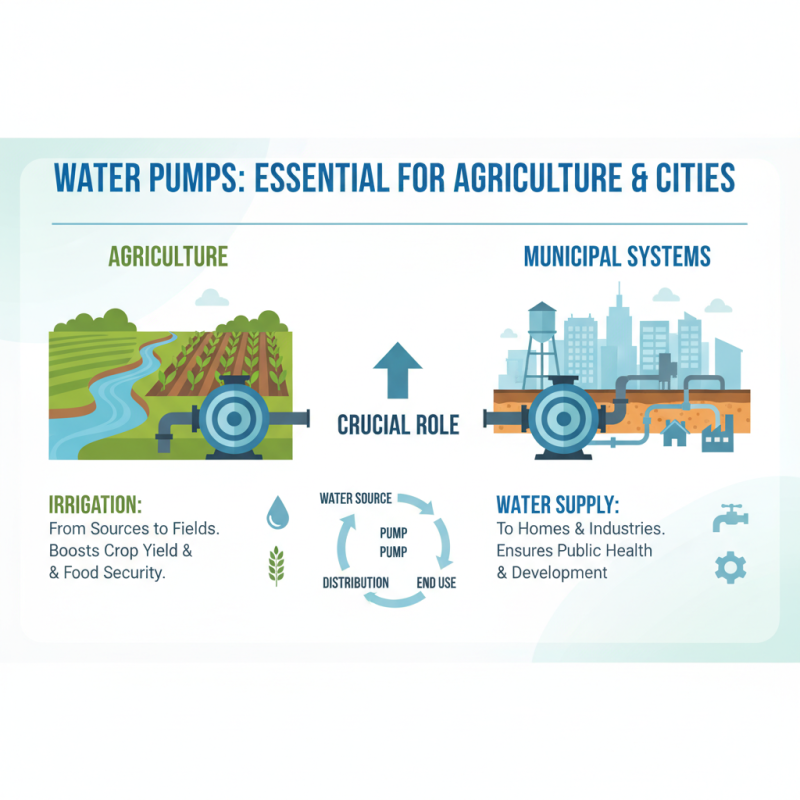
Water pumps play a crucial role in various applications, serving as essential tools in both agricultural and municipal systems. In agriculture, water pumps are primarily used for irrigation purposes. They help deliver water from sources such as rivers, lakes, or underground aquifers to fields, ensuring crops receive adequate hydration. This is particularly important in regions facing water scarcity or in areas where rainfall is insufficient. By enabling controlled and efficient water distribution, pumps significantly enhance crop yield and contribute to food security.
In municipal systems, water pumps are vital for managing and distributing potable water to communities. They ensure a steady supply of clean water to households, schools, and businesses, facilitating essential daily activities. Additionally, pumps are used in wastewater treatment processes, moving dirty water through various treatment stages before it is released back into the environment. The reliability of water pumps in these systems is crucial for public health and sanitation, as they help prevent waterborne diseases and ensure that urban areas have consistent access to safe drinking water.