What Are the Top Types of LED Chandelier Lamps?
LED chandeliers now combine familiar forms with efficient, controllable light. The U.S. Department of Energy reports that residential LED products use at least 75% less energy and can last up to 25 times longer than incandescent lighting. Those figures are useful benchmarks, but they do not tell the whole story. Color quality, glare, dimming, and the fit between a fixture and a room matter at eye level.
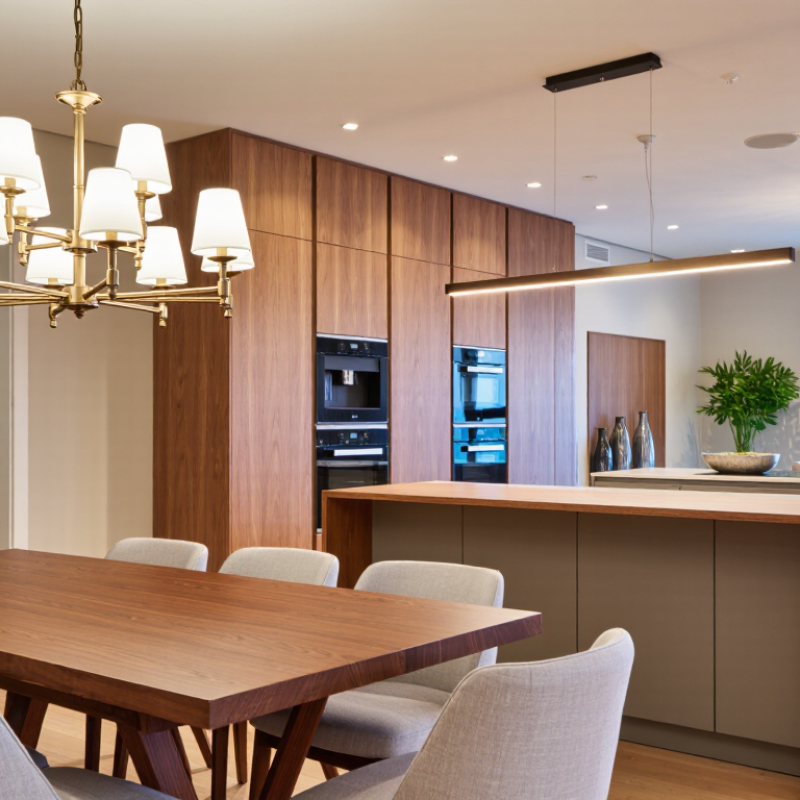
This guide compares the leading types of Chandelier Led Lamp: traditional multi-arm designs, crystal styles, modern linear fixtures, tiered silhouettes, compact mini chandeliers, and models with integrated or replaceable LED sources. Picture a dining table under a warm, dimmable fixture, then a long kitchen island lit by a narrow linear chandelier. Both may use LEDs, yet their light distribution and visual impact differ sharply. Some “energy-saving” models still feel too bright or cold. That deserves a closer look.
The DOE’s Solid-State Lighting program has been led by lighting specialist James Brodrick. His broader guidance can be summarized this way: assess lighting performance alongside appearance, rather than judging a fixture by its design alone. This is a paraphrase, not a verbatim quotation. That distinction matters when discussing expert advice. As you compare styles, check lumen output, color temperature, dimmer compatibility, and whether the LED module can be replaced. The best choice is not automatically the most ornate or the most efficient. It is the one that suits the room, serves its task, and remains comfortable after the first impression fades.
Main Categories of LED Chandelier Lamps
LED chandelier lamps generally fall into three categories: candle-style, integrated LED, and cluster or linear designs. Candle-style chandeliers use replaceable candle-shaped bulbs, often visible beneath curved arms. They suit traditional rooms and make bulb replacement straightforward. Check the socket type and maximum wattage before buying. The labels are not always neat.
Integrated LED chandeliers have light sources built into the fixture. Their slim panels or rings can create a clean, modern look, but repairs may require replacing a module rather than a bulb. Cluster and linear chandeliers group several light points along a central frame or horizontal bar. They work well above dining tables, where evenly spaced light can reduce dark patches on the tabletop.
Performance matters as much as shape. The U.S. Department of Energy’s Energy Saver guidance reports that LEDs use at least 75% less energy and can last up to 25 times longer than incandescent bulbs. These figures describe LED lighting broadly, not every chandelier model, so check product specifications. For candle bulbs, confirm dimmer compatibility and color temperature; a warm 2700K glow usually feels softer on wood and fabric. I still find replacement access easy to overlook. That small detail matters later.
Flush-Mount LED Chandeliers for Low Ceilings
Flush-mount LED chandeliers are designed to sit close to the ceiling, making them a practical choice for bedrooms, hallways, and dining areas with limited headroom. Their compact profile leaves more visual space above a table or bed. Measure the fixture’s full drop, not just its frame. Even a few extra inches can matter in a low room.
Look for a shallow canopy and a diffuser that spreads light evenly. A wide, flat fixture can brighten a room without hanging into the walking path, while layered glass or metal details add chandelier character. Check the listed brightness and color temperature against the room’s size and use. Warm light often feels inviting at dinner; cooler light can feel sharper in a workspace. Small detail, big difference.
Before buying, compare the fixture’s dimensions with the ceiling box and available clearance. Confirm that the LED light source is dimmable only if the fixture and wall control are compatible. Installation details can be less glamorous than the design, but they matter. I still find that “low profile” can mean different things from one fixture to another, so a product diagram is worth checking twice. If wiring or mounting is unfamiliar, have a qualified electrician assess the setup.
Pendant and Linear LED Chandeliers for Focused Lighting
Pendant and linear LED chandeliers work well when a room needs light directed toward a specific area. A pendant usually hangs over a table, kitchen island, or reading chair. Its focused beam can make a countertop easier to use and bring out the grain in a wooden dining table. A linear fixture spreads light along a longer surface, such as a six-seat table or narrow island. That even coverage can reduce bright spots at one end and dim patches at the other.
Scale and placement matter. A long fixture may look balanced above an island but feel crowded in a compact breakfast nook. Small rooms need restraint. Measure the table or counter, then check that the fixture leaves comfortable headroom and does not block sightlines across the room. Dimming is useful, too: brighter light helps with food preparation, while a lower setting suits a quiet dinner. Not always. A powerful integrated LED can still feel harsh if its light is exposed or cool in tone. Look for diffusers and a warm color temperature if the space should feel relaxed. One detail is easy to overlook: glossy counters can reflect the LEDs directly into your eyes, so test the light from seated and standing positions before settling on the final height.
Candle-Style LED Chandeliers for Traditional Interiors
Candle-style LED chandeliers bring the familiar outline of candlelit fixtures to traditional interiors. Their flame-shaped bulbs pair naturally with carved wood, plaster ceilings, and antique-look brass or bronze finishes. Warm white light, around 2200 to 2700 kelvin, can make a dining room feel softer without relying on open flames. The effect depends on the fixture, though. A clear bulb may create glare when viewed from below, while a frosted finish can soften the light.
Tips: Check the socket type and bulb dimensions before buying; candle bulbs are not all interchangeable. If you want dimming, confirm that both the LED bulb and wall dimmer are compatible. A chandelier hung above a dining table should leave comfortable headroom, and its light should reach the tabletop without shining directly into seated guests’ eyes. Small details matter.
For a traditional look, consider bulbs with a flame-tip shape and a restrained brightness. Too much light can flatten the room’s warm textures. I find this balance easy to misjudge from product photos, so compare the fixture’s dimensions with your room and note where the bulbs will sit. A slightly imperfect match in finish may feel more convincing than an overly coordinated set.
LED Color Temperatures for Candle-Style Chandeliers
These are common nominal color temperature options for LED bulbs, measured in kelvin. Lower values produce warmer light, often suited to traditional interiors; higher values appear cooler.
Ring, Sputnik, and Geometric LED Chandeliers for Modern Spaces
Ring LED chandeliers suit rooms that need a clear focal point without a visually heavy fixture. Their circular frames echo round dining tables and soften rooms dominated by straight lines. Check the fixture’s diameter against the table, then confirm that the ceiling leaves comfortable clearance. Small rooms need restraint. A large ring can overwhelm a compact space, even when its light output is modest. Diffused LED covers also help reduce visible glare, especially when the chandelier sits above eye level.
Sputnik chandeliers use radiating arms to create a more sculptural effect. They work well in open living areas, but their spread needs breathing room around doors, beams, and shelving. Geometric designs offer sharper outlines, from stacked polygons to angular frames. Their shadows can add interest, though intricate shapes may look busy in patterned rooms. For reliable comparison, check lumen output, color temperature, dimming compatibility, and whether the light source can be replaced. The U.S. Department of Energy’s Energy Saver guidance reports that residential LEDs use at least 75% less energy and can last up to 25 times longer than incandescent lighting. That is useful context, not a guarantee for every chandelier. A fixture’s driver, heat management, and installation quality still matter. I would not choose by silhouette alone.