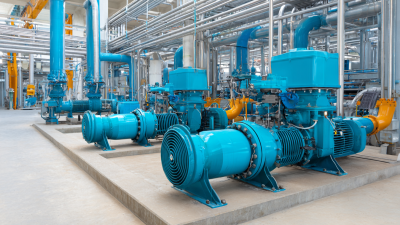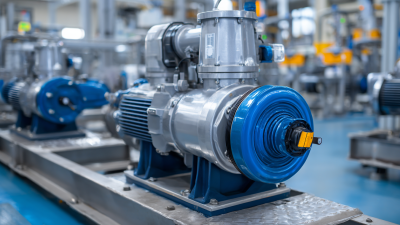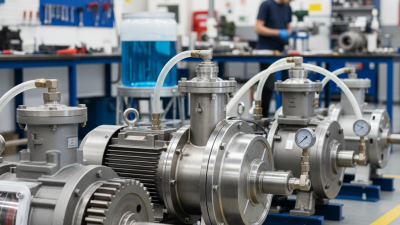
Choosing the right transfer pump can be challenging. Experts like John Smith, a leading professional in the transfer pump industry, emphasize, “Every application requires a different solution.” This statement highlights the importance of understanding your specific needs.
Transfer pumps are used in various settings, from agriculture to construction. Different pumps have unique features and capacities. It's crucial to analyze the specific tasks you need to accomplish. For example, consider the fluid type, distance, and flow rate. Overlooking these details can lead to inefficiencies.
Many users often rush into their purchase decisions. They may end up with a pump that doesn't meet their requirements. A bad choice can be costly and frustrating. It’s worth taking time to research options and consult with experts. Reflecting on your project’s demands will guide you to the best transfer pump for your needs.
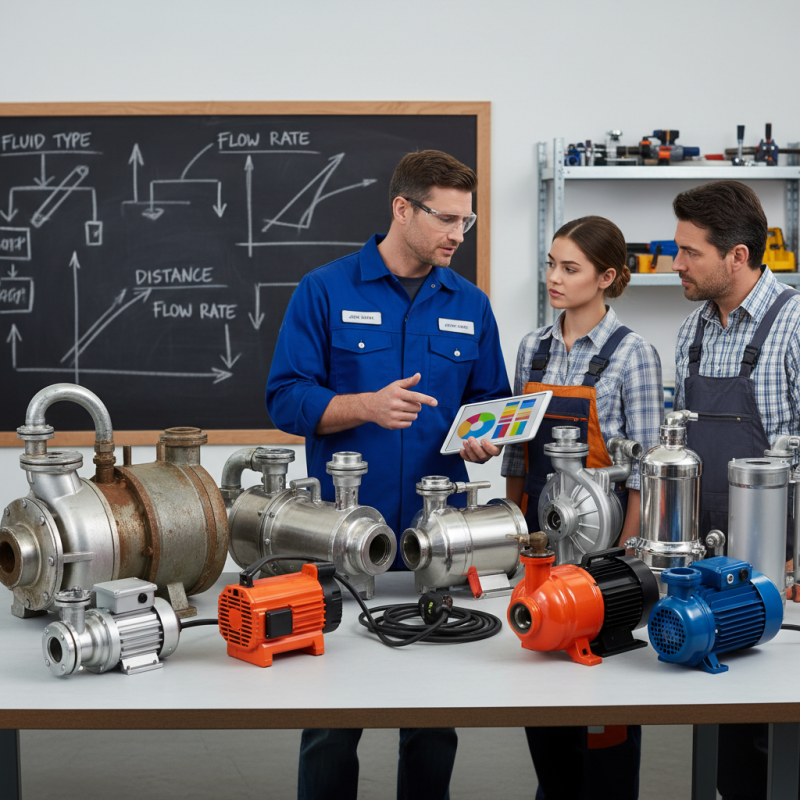
When selecting a transfer pump, understanding the different types available is crucial.
Centrifugal pumps are among the most common. They use rotational energy to generate flow. This makes them suitable for thin liquids, like water. However, they struggle with thick fluids.
Users often overlook this key detail, leading to inefficiency.
Another common type is positive displacement pumps. These pumps push fluids through by trapping a fixed volume. They excel with viscous liquids and slurries.
But they are not ideal for all situations. Choosing one without considering your specific needs can result in problems.
Submersible pumps are another option. They work well submerged in the fluid they pump. Ideal for areas where drainage is necessary.
However, their energy consumption can be higher. Many users find themselves surprised by the running costs later. Understanding these distinctions helps in making the right choice.
Always reflect on your specific requirements before making a decision.
When selecting a transfer pump, flow rate and power requirements are crucial. Flow rate refers to the volume of liquid a pump can transfer in a given time. This figure directly impacts efficiency. Choosing a pump with an inadequate flow rate can lead to frustration. For instance, a low-flow pump may take hours to move water from one place to another.
To determine your flow rate needs, assess the volume of liquid you need to move. Measure how quickly you need the job done. A higher flow rate is essential for larger projects. Yet, if only small amounts are needed, a smaller pump will suffice. This ensures both efficient and cost-effective operation.
Power consumption is another vital factor. Pumps vary in their power requirements. Some may need a specific voltage to operate optimally. Be mindful of your power source availability. A pump that doesn’t match your source can lead to inefficiencies or even failure. It's not just about having a robust pump; the right power setup is equally important. Assessing these elements will pave the way for selecting the best transfer pump for your specific needs.
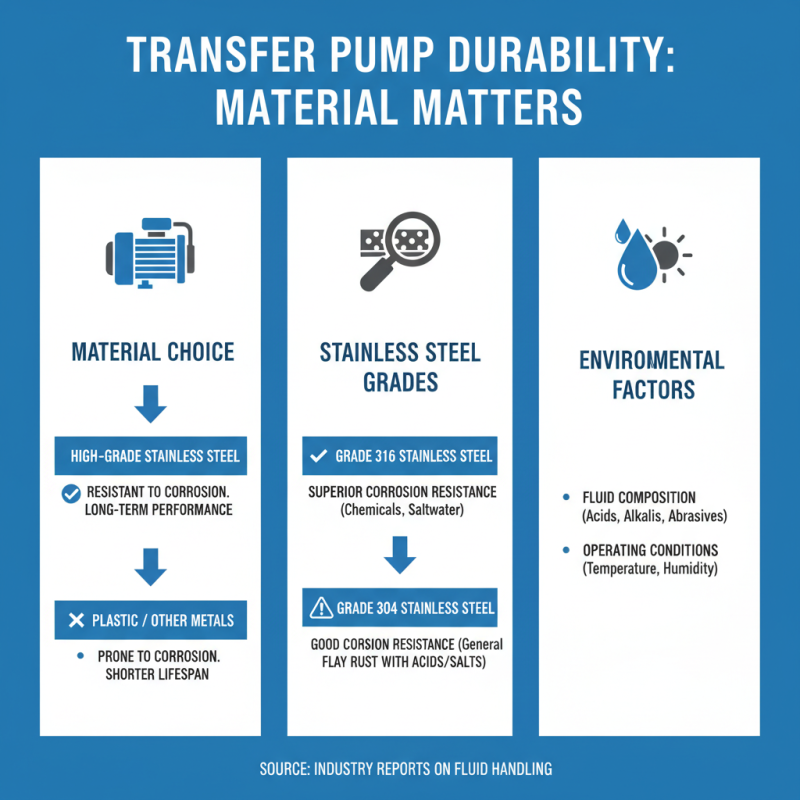
When selecting a transfer pump, the material and durability of the pump matter greatly for long-term performance. Pumps must withstand various fluids and environmental conditions. According to industry reports, pumps made from high-grade stainless steel resist corrosion better than those made from plastic. However, not all stainless steel is created equal. Some grades may rust under certain fluids, compromising performance.
Tip: Always assess the specific fluids you'll be transferring. This can help determine the best materials for your pump. For example, chemical applications may require special coatings or liners. The American Society of Mechanical Engineers provides guidelines on material compatibility that can be helpful.
Another consideration is the pump's design. A poorly designed transfer pump can lead to wear and reduce longevity. Some pumps have removable parts that make maintenance easier. Industry research suggests that pumps designed for easy disassembly tend to have fewer breakdowns. Opt for a pump that allows for simple access to internal components.
Tip: Investigate warranties and customer reviews. These sources often reveal common issues and long-term reliability. Remember, a short-term cost may lead to long-term consequences if the pump fails. Make informed choices to avoid potential pitfalls.
When selecting a transfer pump, portability and ease of use are key features to consider. A lightweight pump can make all the difference. You want something that you can easily carry around. Consider the materials used; durable yet light options are ideal. Check the handle design too. A comfortable grip is essential for moving the pump safely.
Additionally, the power source matters. Some pumps run on batteries, while others use electricity. Battery-operated pumps provide more freedom to move around. However, they may not offer the same power as electric models. Think about where you'll use the pump most. Access to outlets might limit choices for some users.
Also, examine the setup process. Complex models can lead to frustration. Aim for a pump that you can assemble quickly. Look for clear instructions or easy-to-use designs. Balancing features with user-friendliness can help narrow down your options. Sometimes, the simplest solution is the best. Don't overlook the importance of these factors during your selection process.
When budgeting for a transfer pump, the cost often weighs heavily on the decision-making process. The price can vary significantly based on quality, features, and brand reputation. According to industry reports, the average cost of a reliable transfer pump ranges from $100 to $500. A cheaper model may save money upfront, but could fail early, leading to additional costs. It's often wiser to invest in a well-built pump to avoid frequent replacements.
Quality plays a crucial role in performance. High-quality transfer pumps generally offer better durability and efficiency. A report from the National Association of Manufacturers indicates that pumps known for their longevity can reduce operational costs by up to 30%. This statistic highlights the long-term benefits of choosing quality over cost. However, budget constraints can lead users to compromise. It's essential to find a balance that meets both current needs and future requirements.
Many buyers overlook warranties and customer support when focusing solely on price. Sometimes, unexpected issues arise after purchase. A model without good support can lead to frustration and increased costs. Reflecting on these factors is crucial. The right transfer pump should not just meet immediate needs but should also serve you efficiently over time. Investing thoughtfully can lead to better outcomes.