Top 10 Plating Current Rectifiers to Explore at Canton Fair?
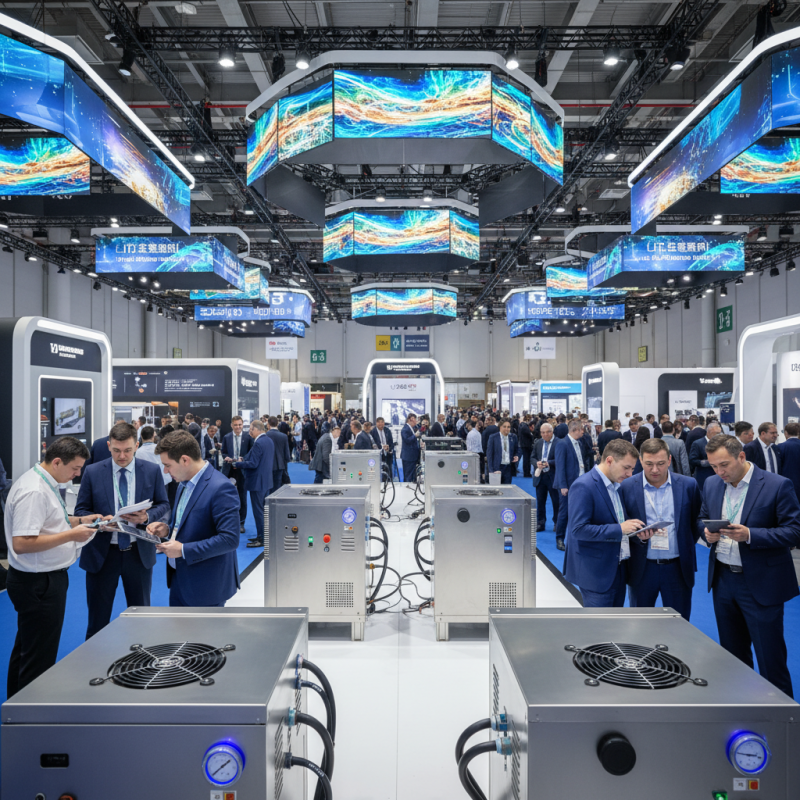
As the 139th Canton Fair approaches, technology and innovation take center stage. This year's fair focuses on advanced manufacturing, electronic appliances, and new materials. Among the many remarkable exhibits, Plating Current Rectifiers stand out as vital components in various industrial applications.
Visiting this fair provides a unique opportunity to explore leading suppliers and cutting-edge technologies. Plating Current Rectifiers are essential for ensuring efficient electroplating processes. They offer high precision and reliability, crucial for enhancing product quality. However, the challenge lies in choosing the right rectifier among numerous options.
Navigating the vast 1.55 million square meters of exhibit space can be daunting. Thanks to AI-powered search and navigation tools, buyers can locate suppliers that meet specific qualifications, like ISO and CE certifications. This innovation aims to improve efficiency. Yet, it also raises questions about the reliance on technology. It’s essential to balance automation with human oversight for optimal outcomes.
Top 10 Essential Features of Current Rectifiers for Plating Applications
When exploring current rectifiers for plating applications, certain features stand out. Stability is critical. A stable output current ensures consistent quality in plating processes. Look for rectifiers that can handle fluctuations in input voltage without compromising performance.
Another essential feature is precision. High-quality rectifiers maintain a tight tolerance on current output. This precision leads to better control over the plating thickness. It can directly influence the final appearance of the product, especially in decorative plating.
**Tip:** Consider the size and weight of the rectifier. Smaller units might offer portability. However, they may lack the power needed for larger applications. Ensure the chosen rectifier matches your plating needs.
Cooling systems also play a vital role. Rectifiers generate heat during operation. Adequate cooling prevents damage and maintains performance. Water-cooled systems are often more efficient than air-cooled ones.
**Tip:** Regular maintenance is vital. Dust and debris can accumulate and affect performance. Set a cleaning schedule to prolong the life of the rectifier.
Pay attention to the user interface as well. A complex interface can hinder operation. A simple, clear display makes monitoring easier, especially for inexperienced users.
Top 10 Plating Current Rectifiers
This bar chart illustrates the essential features of the top 10 plating current rectifiers, highlighting their efficiency, voltage range, current rating, thermal management capabilities, and control features. This data can guide your exploration at the Canton Fair.
Market Trends in Plating Current Rectifiers: Data and Forecasts
The market for plating current rectifiers is evolving rapidly. Innovations are reshaping manufacturing processes. Growth is fueled by increased demand in electronics and renewable energy sectors. Companies are seeking efficient solutions to enhance productivity. This is evident in emerging technologies aimed at improving power conversion efficiency.
Increased automation is also influencing this market. Automated plating processes reduce human error and lower costs. However, some organizations struggle with maintaining quality control. It’s crucial to ensure that automation does not compromise product integrity.
Tips: Regularly monitor market trends. Understand customer needs to adapt quickly. Networking at industry events, like the Canton Fair, can provide valuable insights. Engaging with customers can help refine your product offerings. Balancing technology with human oversight is essential for success. Manufacturers should reflect on their strategies to avoid potential pitfalls.
Comparative Analysis of Efficiency Ratings Among Leading Rectifier Brands
When exploring plating current rectifiers, efficiency is a critical factor. Various industry reports indicate that the efficiency ratings of rectifiers often vary widely. Some leading models achieve efficiencies exceeding 95%. These numbers are compelling, yet they can sometimes mislead potential buyers. Efficiency often depends on operating conditions and load specifications.
Furthermore, thermal management plays a significant role in the performance of rectifiers. High-efficiency models may suffer from heat dissipation issues. A recent study revealed that rectifiers operating at high efficiencies can experience temperature increases up to 20 degrees Celsius. That's a notable consideration for users looking for long-term reliability.
Moreover, cost-effectiveness remains a critical aspect. While high-efficiency rectifiers promise energy savings, initial costs can be daunting. Users need to carefully analyze the total cost of ownership. Factoring in lifespan and maintenance is essential. Balancing up-front investment with operational costs could lead to tough decisions. Seeking a solution that works best for specific needs is a common challenge.
Key Safety Standards and Certifications for Plating Current Rectifiers
When exploring plating current rectifiers, safety standards and certifications are crucial. They ensure devices meet specific requirements for operation and user safety. Rectifiers must comply with international regulations to avoid hazards. Certifications like CE and UL demonstrate adherence to industry safety norms.
Each rectifier should undergo rigorous testing. This includes evaluating electrical performance and thermal stability. Insufficient testing may lead to failures. Users can remain cautious, relying on tested products. It’s vital to prioritize devices that have undergone comprehensive safety assessments.
Moreover, some manufacturers may cut corners for faster production. This practice can lead to compromised safety. Therefore, understanding certification processes provides insight into product reliability. Remember to scrutinize the certificates of potential purchases. Awareness of safety standards is key in making informed decisions at exhibitions like the Canton Fair.
Innovations in Rectifier Technology: Enhancing Plating Performance and Durability
The advancements in rectifier technology are transforming the plating industry. These innovations focus on improving performance and durability. In recent years, manufacturers have aimed to enhance energy efficiency. New designs reduce energy losses during operation, optimizing power usage in plating processes.
Some rectifiers now incorporate real-time monitoring systems. These systems allow users to track performance metrics easily. Monitoring enhances functionality and reduces the risk of failures. However, there are still challenges to overcome in achieving perfect consistency. Variability can occur during the plating process, impacting the final product quality.
Moreover, the integration of advanced materials is noteworthy. These materials can withstand extreme conditions, extending the lifecycle of rectifiers. However, the cost of these materials can be prohibitive. Finding a balance between cost and performance remains a key area for reflection. Ultimately, ongoing innovations aim to address these issues and pave the way for future advancements.