Top Liquid Transfer Pump Options for Efficient Fluid Handling?
In today's fluid handling industry, the efficiency of liquid transfer pumps is crucial. According to a recent market report, the global liquid transfer pump market is expected to reach $2.1 billion by 2027. This growth indicates the increased reliance on effective fluid management systems across various sectors. Liquid transfer pumps play a vital role in industries like oil and gas, chemicals, and food processing.
Efficient liquid transfer pumps ensure safe and fast movement of fluids. Yet, many companies struggle with selecting the right pump for their needs. Some businesses may prioritize cost over performance, leading to inefficiencies and increased operational risks. According to industry experts, approximately 30% of companies do not assess their pump requirements properly. This oversight can have significant consequences.
Choosing the best liquid transfer pump requires understanding specific application needs. Factors such as flow rate, viscosity, and compatibility with fluids are critical. An ideal pump improves productivity and can even enhance safety. However, not all pumps perform equally well. Companies must reflect on their choices to avoid bottlenecks in fluid handling processes.
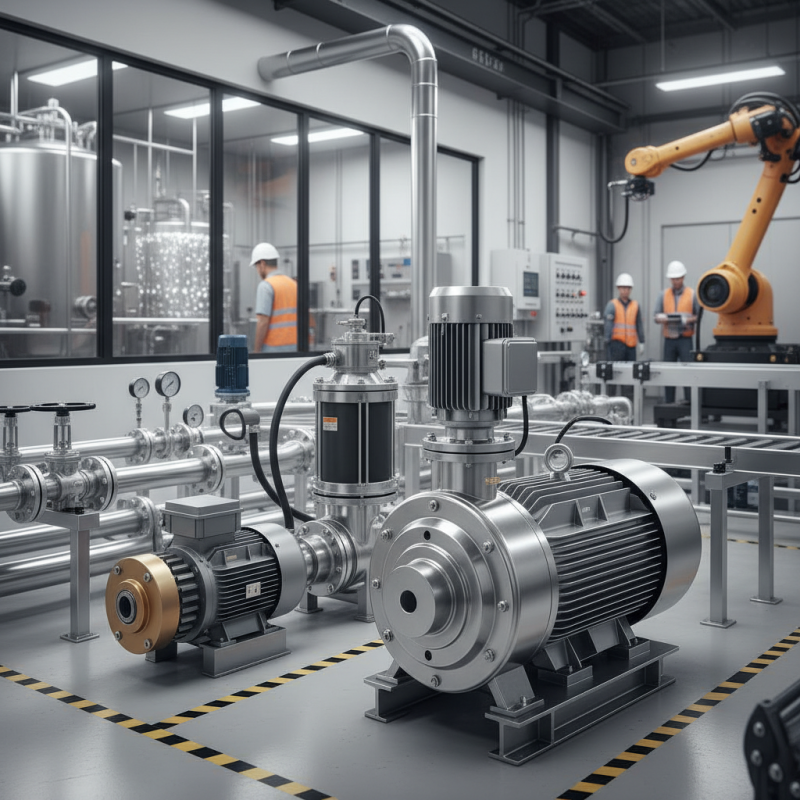
Understanding Liquid Transfer Pumps: A Comprehensive Overview
Liquid transfer pumps are essential tools for efficient fluid handling. They are widely used across various industries, from agriculture to manufacturing. These pumps help move liquids quickly and safely, reducing time and effort. Understanding the different types of liquid transfer pumps can optimize your workflow and enhance productivity.
Tips: When selecting a pump, consider the fluid type. Some pumps handle corrosive liquids, while others do not. Know the viscosity, temperature, and pH level of your fluids. This knowledge can prevent costly mistakes.
Another consideration is the pump's flow rate. It impacts how quickly you can transfer your liquids. Selecting a pump that meets your capacity needs can speed up operations. Don't overlook noise levels as well; some pumps can be quite loud, affecting your work environment.
Choosing the right pump can feel overwhelming. Not all pumps are perfect for every task. Take your time to research different options. Consider consulting experts or online resources for guidance. It’s important to match the pump specifications to your unique requirements.
Key Features of Efficient Liquid Transfer Pumps
When considering a liquid transfer pump, efficiency is key. The best pumps manage fluid movement smoothly. Look for features like adjustable flow rates. This allows for better control in various applications. A good pump can handle different types of liquids, from water to oils.
Another important aspect is energy efficiency. Pumps that consume less power save money in the long run. Also, consider the material of the pump. Corrosion-resistant materials increase durability. These pumps need to withstand harsh conditions. Maintenance requirements should also be manageable. Complex machinery can lead to frustration and downtime.
Fluid viscosity can vary widely. Selecting a pump designed for specific viscosities enhances performance. It's vital to assess your specific needs. Finding the right balance between power and efficiency is a challenge. Sometimes, pumps may underperform, leading to inefficiencies. Continuous assessment and improvement are essential for optimal performance.
Top Liquid Transfer Pump Options for Efficient Fluid Handling
This chart illustrates the key features of various types of liquid transfer pumps focused on their flow rates and energy efficiency, allowing for a comparison of their effectiveness in fluid handling.
Types of Liquid Transfer Pumps for Various Applications
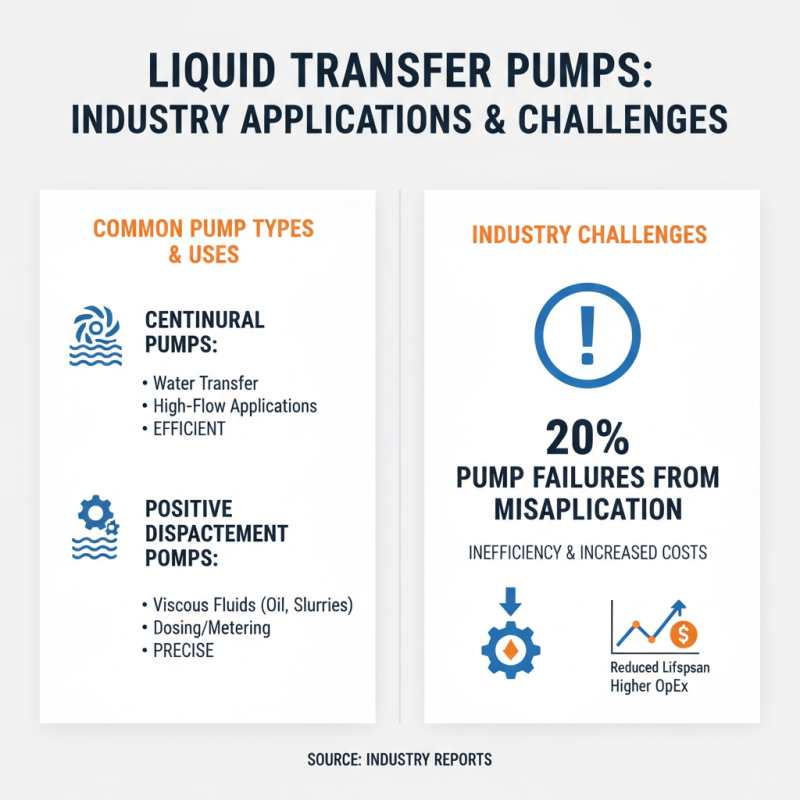
Liquid transfer pumps play a crucial role in various industries. Different applications require specific pump types. For example, centrifugal pumps are commonly used for water transfer. They are efficient for high-flow applications. However, they may struggle with viscous fluids. This can lead to inefficiencies and increased operational costs. According to industry reports, up to 20% of pump failure comes from misapplication in fluid handling.
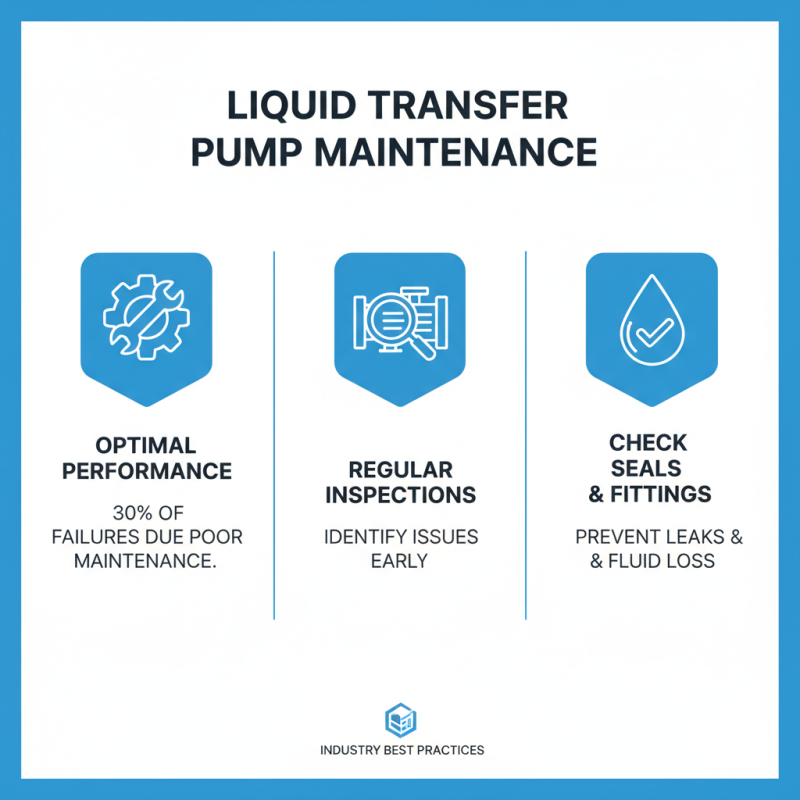
Diaphragm pumps are another option. They handle hazardous fluids and slurries effectively. These pumps can run dry without damage. A study indicated that diaphragm pumps can achieve up to 90% efficiency in certain conditions. Yet, their complexity often raises maintenance requirements. This aspect can be a hurdle for some users. Many companies overlook the importance of regular maintenance.
Gear pumps are noted for moving viscous liquids. Their design allows for precise flow control. Reports show that gear pumps have a lower failure rate when used correctly. Still, users should be aware of potential cavitation issues, which can negatively affect performance. Understanding the specific needs of each application is vital for optimal fluid handling. Ignoring this may lead to costly downtime.
Considerations for Selecting the Right Liquid Transfer Pump
When selecting a liquid transfer pump, there are several key considerations to keep in mind. First, assess the type of fluid you will handle. Different fluids have unique properties that can impact pump performance. For instance, viscous liquids require pumps that can generate higher pressure. Understanding this helps you avoid costly mistakes.
Next, consider the flow rate. How fast do you need to transfer the liquid? Choosing a pump that meets your flow rate requirements is critical. If you select one that is too slow, operational efficiency suffers. Think about the environment, too. If your pump will operate in a dusty or wet area, you need to account for that.
You should also evaluate the pump's material construction. Corrosion-resistant materials are vital when dealing with aggressive chemicals. Yet, some options may not be ideal for your specific needs. Review the maintenance requirements as well. Pumps that are hard to maintain can lead to unexpected downtimes. Be prepared for the possibility of needing frequent repairs. Each factor plays a role in making the right choice.