Ultimate Tips for Choosing the Right Camping Sleeping Bag?
Choosing the right camping sleeping bag can significantly affect your outdoor experience. According to the North Face, over 70% of campers prioritize comfort and warmth. A well-chosen sleeping bag can enhance your sleep quality in the wilderness. However, many campers overlook crucial factors in their selection.
Think about temperature ratings. A sleeping bag rated for warmer conditions may leave you shivering on a cold night. Campers often underestimate the importance of insulation types. Synthetic and down materials each have unique benefits, affecting weight and packability. The Outdoor Foundation reports that nearly 30% of campers have faced discomfort due to improper gear choices.
Also, consider the bag's weight and packed size. This is vital for backcountry trips. A bag that feels plush at home can become cumbersome on the trail. Sometimes, we focus too much on price, missing out on essential features. Prioritize what truly matters: durability and fit. Selecting the right camping sleeping bag shouldn’t be a hasty decision. Reflect on your needs to truly enjoy your next adventure.
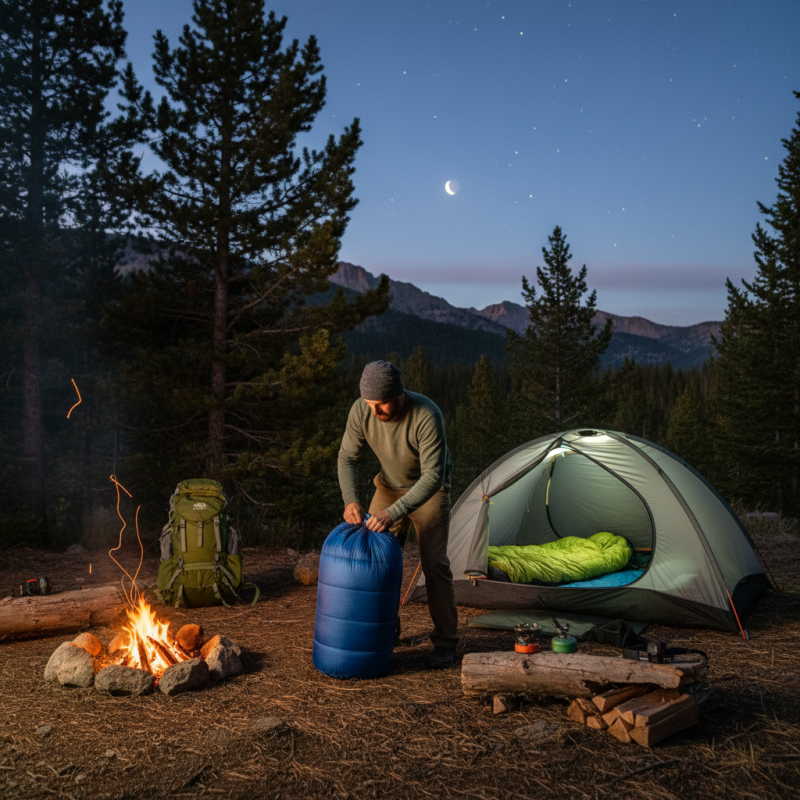
Choosing the Right Temperature Rating for Your Sleeping Bag
When choosing a sleeping bag, the temperature rating is crucial. Each bag is designed for certain conditions. A bag rated for 20°F is perfect for chilly nights. If you're heading out in summer, a 40°F bag is often enough. But you might get cold at night. Personal comfort varies, so consider your needs carefully.
What about the materials? Synthetic fills are great for wet conditions. However, they may not be as warm as down. If it rains, your sleeping bag might dampen. That's a problem. Down is lighter and warmer but costly. If you choose well, you'll enjoy better nights outdoors. But mismatches can ruin your experience.
Testing bags before buying is wise. Spend time inside the bag. Feel the weight and snugness. You might discover one just doesn't feel right. Reflect on your experiences and adjust your choices. Finding the right sleeping bag can make camping much more enjoyable.
Understanding Sleeping Bag Insulation Types: Down vs. Synthetic
When choosing a sleeping bag, insulation type plays a crucial role. Two main options are down and synthetic. Down insulation is made from the soft feathers of ducks or geese. It offers excellent warmth-to-weight ratio. If you pack it well, it compresses neatly. However, it can lose insulation when wet. That’s a significant drawback. Consider your local climate and conditions.
Synthetic insulation, on the other hand, is usually made from polyester fibers. It retains warmth even when damp. This is a strong point for wet conditions. Synthetic bags are also often more affordable. They dry faster and are easier to maintain. But they can be bulkier and heavier.
Many campers find it tough to decide between the two. Each type has valid advantages and drawbacks. Personal experiences matter. Assess your camping style. Are you often in wet places? Is weight a priority? Think it through. Making the right choice requires reflection.
Size and Fit: How to Select the Ideal Sleeping Bag Dimensions
Choosing the right size and fit for your camping sleeping bag is crucial. The dimensions of the sleeping bag can greatly impact your comfort during the night. A bag that is too small may restrict movement, making it hard to turn or find a comfortable position. Conversely, if it is too large, you may struggle to retain heat, which can lead to a chilly night.
When determining the ideal sleeping bag dimensions, consider your height and body type. Many bags come in standard sizes, but if you're taller than average, look for long or extended versions. It's also essential to account for extra gear. Some may prefer a roomier bag that can accommodate layers of clothing. Others might want a snug fit for insulation. Remember, personal preference plays a big role here.
Take time to lay in the sleeping bag before you commit. Do you feel cramped or too spacious? Notice how it fits around your shoulders and feet. Some people overlook these details and end up with a bag that doesn’t truly suit them. In the end, the perfect sleeping bag dimensions will make your camping experience enjoyable and restful. Don’t compromise comfort for style.
Ultimate Tips for Choosing the Right Camping Sleeping Bag
Weight and Packability: Finding a Balance for Backpacking Trips
When choosing a sleeping bag for backpacking, weight and packability are crucial. According to a 2021 report from the Outdoor Industry Association, nearly 70% of backpackers prioritize lightweight gear. Many fabrics and insulation types now allow for less bulk without sacrificing warmth. However, lighter bags can sometimes lead to lower durability and comfort. If you push the limits of weight, you may not enjoy your trip.
The trend is toward compressible designs. A good sleeping bag should pack smaller, making it easier to fit in your pack. Some bags can compress to less than 10 inches. This can be a game-changer for backpackers. However, finding this balance can be tricky. A bag that is too compact may compromise on warmth or increase the risk of tears. Think about your trip's climate and duration.
In colder conditions, heavier bags with thicker insulation may be needed. They weigh more but provide crucial warmth. The trade-off here can impact your overall load significantly. Many campers struggle with this decision. Striking the right balance ensures a comfortable night while hiking. Ultimately, select a sleeping bag that fits your specific needs, rather than just what's lightweight.
Budget Considerations: Investing Wisely in Quality Sleeping Gear
When considering a camping sleeping bag, budget is crucial. Many campers believe that a higher price equals better quality, but this isn't always the case. For instance, a recent industry report highlighted that 42% of users found satisfaction with bags priced between $50 and $100. This range often balances affordability with essential features like insulation and durability.
Investing wisely means comparing options. A bag that retains warmth can make cooler nights comfortable. However, sometimes, a cheaper option may lack essential insulation or other features. About 30% of campers reported that their budget bag failed during cold weather. Such experiences reveal the importance of checking user reviews and specifications.
Consider weight and packability as well. Lightweight options are tempting, especially for backpackers. Yet, sometimes those lightweight bags compromise warmth or durability. Striking a balance can be tricky and requires thorough research. Reflect on what matters most during your adventures—will you prioritize comfort, weight, or insulation?
Ultimate Tips for Choosing the Right Camping Sleeping Bag
| Feature | Description | Price Range | Best For |
| Temperature Rating | Choose according to the lowest expected temperature. | $30 - $300 | Cold Weather Camping |
| Weight | Lighter bags for hiking; heavier for car camping. | $50 - $250 | Backpacking |
| Shape | Mummy for warmth; rectangular for comfort. | $40 - $270 | Comfort Seekers |
| Insulation Type | Down for warmth and packability; synthetic for wet conditions. | $50 - $400 | Wet and Humid Climates |
| Additional Features | Consider zippers, pockets, and hoods. | $20 - $150 | Users Looking for Comfort |