Tips for Choosing the Best Laser Sheet Cutting Machine?
In the fast-paced world of manufacturing, selecting a reliable Laser sheet cutting machine can significantly impact productivity and efficiency. A report by MarketsandMarkets indicates the global laser cutting machine market is projected to reach $6.5 billion by 2026, growing at a compound annual growth rate (CAGR) of 6.2%. This growth reflects the increasing demand for precision and quality in various industries, including automotive and aerospace.
Choosing the right laser sheet cutting machine requires thorough knowledge of technology and operational needs. Factors like cutting speed, power output, and versatility must be considered carefully. Accurate evaluation can lead to better investments and reduce operational costs. However, many companies jump into purchasing without fully understanding their requirements. This oversight can lead to poor performance and wasted resources.
As technology evolves, continuous training and expert insights are essential. A well-informed decision can maximize machine capabilities while ensuring efficiency and reliability. In an industry riddled with choices, the challenge lies in discerning which machine will deliver the best results for specific applications. Understanding your unique needs and the machine's specifications is crucial for long-term success.
Understanding the Basics of Laser Sheet Cutting Machines
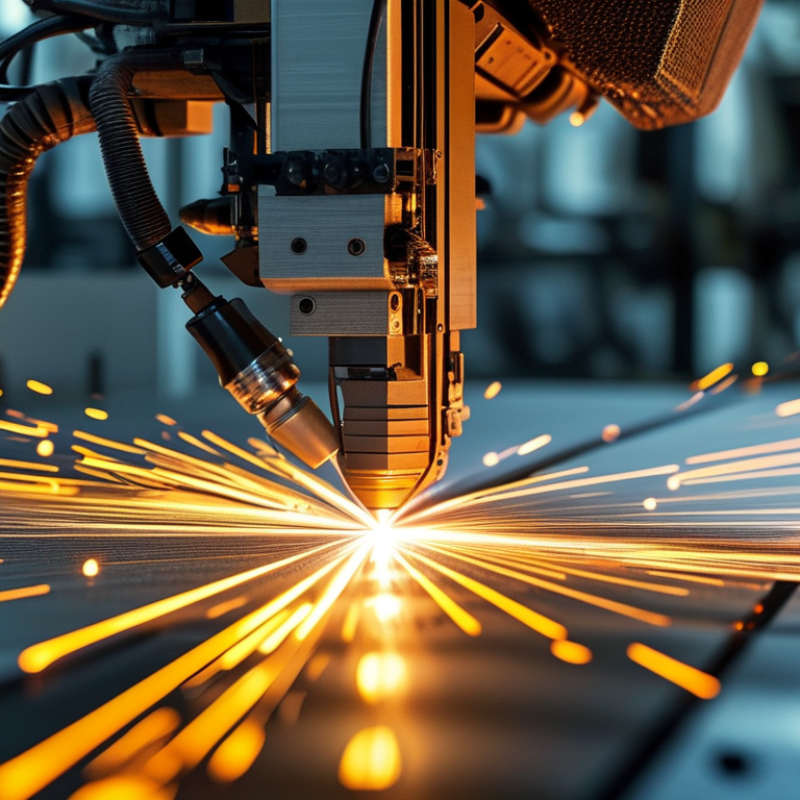
Laser sheet cutting machines are essential tools in various industries. Their precision can lead to better efficiency and lower waste. Understanding how these machines work is crucial for effective selection and use. Typically, they employ high-powered lasers to cut through materials like metal, wood, and acrylic. The beam's intensity and focus play pivotal roles in determining cut quality.
When considering a laser sheet cutting machine, explore essential features such as cutting speed and maximum thickness. Regularly review the machine’s specs to ensure they meet your production needs. Maintenance is another vital aspect—neglecting this can diminish performance and lead to costly repairs. Laser machines require calibration, and even minor misalignments can impact accuracy, prompting potential errors in production.
Inventories of parts and user-friendly interfaces are also worth assessing. Opt for components that are easy to replace and provide smooth operation. It’s beneficial to read reviews or seek advice from experienced users. Their insights often reveal flaws or hidden advantages in certain models. While selecting, it's important to balance technology with your specific needs, as what works for one may not suit another. Consider the learning curve associated with new machinery, as it can affect operational efficiency.
Key Features to Consider When Selecting a Laser Cutting Machine
When choosing a laser sheet cutting machine, it's crucial to consider key features that impact performance. One significant aspect is the laser power. Machines typically range from 100W to 1000W. Higher power allows for cutting through thicker materials but may incur higher operational costs. According to industry reports, cutting speed can increase by 30% with every 100W boost, yet it’s vital to balance power and efficiency.
Another important feature is the cutting area size. Machines vary in dimensions, affecting the types of projects you can undertake. A larger cutting area is beneficial for commercial production. However, consider your workspace limitations and production goals. Reports suggest that 40% of manufacturers regret not investing in larger machines due to scaling needs.
Finally, ease of use and software compatibility matter. User-friendly interfaces can reduce training time. Software should be compatible with various design programs without extensive customization. According to a survey, 65% of operators value quick setup and operation. Investing in these features can save time and enhance reliability, leading to better long-term outcomes.
Assessing Material Compatibility for Laser Cutting Applications
When selecting a laser sheet cutting machine, material compatibility is crucial. Different materials require specific laser settings. Metals, plastics, and composites all behave differently under a laser. For instance, thick metals may absorb heat differently than thin plastic sheets. This can lead to varying cut quality and speed. Understanding your material's properties helps ensure a clean cut.
Tips for choosing the right machine include researching material thickness and laser power required. Always check cutting speed and quality benchmarks for your chosen materials. Assessing these factors can prevent costly mistakes. Also, consider the type of finish you want on the edges. Some materials might require post-processing, while others do not.
Another point to note is the potential for warping with certain materials. Thin sheets of plastic may deform when exposed to intense heat. Testing samples before full production can save time and resources. Identify the laser’s focal point adjustments for different materials. This will help optimize the cutting process. Understanding these aspects ensures that you pick a machine suited for your specific applications.
Evaluating Cost-Effectiveness in Laser Cutting Solutions
When evaluating cost-effectiveness in laser cutting solutions, it’s essential to understand the initial investment versus operational costs. A high-quality laser sheet cutting machine may have a steeper price tag, but it can offer significant long-term savings. Consider the machine's energy efficiency and maintenance needs. Regular upkeep can prevent costly downtimes.
Tips for choosing the best machine include assessing the material types you will cut. Different laser machines excel with various materials. A comprehensive understanding of your material needs can guide you to the right machine, enhancing efficiency. Think about the future growth of your projects as well. A versatile machine may serve multiple purposes as your business expands.
Don't overlook the importance of support and service. A reliable supplier can greatly reduce stress. Ensure they provide timely maintenance and repairs. This can be an indicator of their commitment to customer satisfaction. Ultimately, the right machine balances cost with quality and support, giving you peace of mind during production.
Exploring Maintenance and Support Options for Laser Cutting Machines
When selecting a laser cutting machine, maintenance and support options play a critical role. Regular maintenance ensures that the machine operates efficiently. It can prevent costly downtimes. Look for machines that offer comprehensive support packages. This can include regular servicing, training, and access to technical support.
Consider the availability of resources like manuals and online tutorials. When issues arise, immediate help is crucial. Evaluate the manufacturer’s reputation for customer service. Good support can significantly reduce the learning curve and prevent operational setbacks.
Reflect on your team's experience with technology. If staff members are not skilled, a training program becomes necessary. Sometimes, even the most advanced machine requires a learning phase. A solid maintenance plan can identify problems before they escalate. This proactive approach ensures that the laser cutter functions at its best for years. Investing in maintenance and support helps improve productivity and reliability in your operations.
Tips for Choosing the Best Laser Sheet Cutting Machine