What is a Switch Panel and How Does it Work?
A Switch Panel is a crucial component in many electrical systems. It acts as a control center, allowing users to manage multiple devices. Understanding how a Switch Panel works can enhance safety and efficiency in homes or industries.
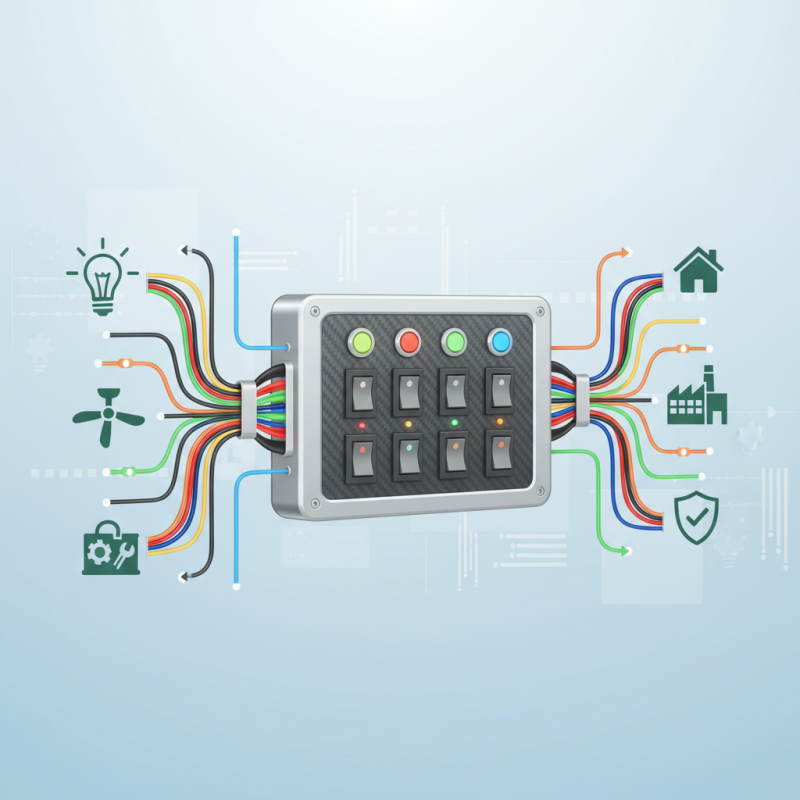
Switch Panels come in various designs and functions. They can control lights, fans, or other electrical appliances. Each switch connected to the panel plays a specific role. The wiring is essential, but it must be done correctly. Mistakes can lead to malfunctions or safety hazards.
For those new to electrical systems, the concept may be confusing. It’s essential to seek guidance from professionals when dealing with electricity. The importance of a reliable Switch Panel cannot be overstated. It integrates functionality with safety in everyday life.
What is a Switch Panel? An Overview of Its Definition and Purpose
A switch panel is a crucial component in various electronic systems. It serves as a user interface that allows individuals to control multiple functions or devices from one location. Typically, switch panels feature a series of buttons or toggle switches, each linked to a specific function. These functions can range from lighting controls to machinery operation. Understanding the purpose of a switch panel is essential for effective use in both residential and industrial settings.
The design of a switch panel is quite functional. It is often mounted on walls or control boards for easy access. Depending on the context, certain switch panels may include indicator lights or labels, enhancing user experience. For instance, in a home setting, a light switch panel might have clear markings. However, it is not uncommon for users to struggle with complex panels, especially in high-tech environments.
Moreover, the integration of switch panels into automation systems has grown significantly. Users may find themselves overwhelmed by the options available. Not all switch panels provide intuitive feedback. This can lead to operational errors or confusion. Reflecting on these challenges can help improve future designs and user training programs.
Types of Switch Panels: A Comparative Analysis of Common Variants
Switch panels come in various forms, each designed for specific applications. The most common types include mechanical switch panels, touch switch panels, and smart panels. Mechanical switch panels use physical switches to control devices. These are often found in older buildings or simple setups. They provide a tactile experience but can wear out over time.
Touch switch panels have gained popularity in modern applications. They offer a sleek, minimalist design. These panels rely on capacitive sensors, allowing for easy on/off functionality. They can sometimes be less reliable in certain environments.
Smart switch panels take this a step further, integrating connectivity with home automation systems. While they enhance convenience, they often require a stable Wi-Fi connection.
Choosing the right switch panel depends on the specific needs of your space. Users may struggle with complicated interfaces in smart panels. Understanding the pros and cons of each variant is essential. Not every design cue is obvious, and it may lead to frustration later on. Testing different panels in real-world scenarios can provide valuable insights.
Key Components of Switch Panels and Their Roles in Functionality
A switch panel is a crucial component in various electrical systems. It serves as the central control hub for managing power distribution. Understanding its key components helps in grasping how it operates effectively.
One primary element is the circuit breaker. This component protects the system from overloads. It automatically interrupts the circuit when it detects a fault. Another important part is the switch itself. Switches allow users to control electrical devices easily. They come in various types, such as toggle, rocker, and push-button switches. Each type has specific applications and user interfaces.
Beyond these, the wiring is vital. Quality wiring ensures efficient power flow. However, improper installation can lead to shorts or failures. Lastly, labels on the panel are often overlooked. Clear labeling aids in quick identification and reduces errors during maintenance. Regular checks are necessary to identify wear and potential failures. A well-organized switch panel contributes significantly to safety and efficiency in electrical systems.
How Switch Panels Are Designed for User Interface and Experience
A switch panel serves as a control hub, allowing users to interface with various devices and systems. The design focuses on enhancing user experience. Each switch must be intuitive and accessible. Users should feel comfortable using it without extensive training. The layout often reflects common usage patterns.
Incorporating feedback is crucial. Designers must observe how users interact. For example, the placement of commonly used switches should be within easy reach. Colors and textures can help differentiate functionalities. However, designers sometimes overlook the variety of user needs. Not everyone interacts the same way with technology. This variability can lead to confusion. Users often wish for more customization options.
Effective switch panel design requires balancing functionality and aesthetics. This is no easy task. In some cases, simplistic designs may frustrate users seeking detailed controls. Reflecting on user feedback is essential. Understanding their struggles improves future iterations. A well-designed switch panel can enhance operational efficiency while ensuring user satisfaction.
Industry Standards and Safety Regulations for Switch Panel Installation
Switch panels play a crucial role in electrical systems, but their installation must adhere to strict industry standards and safety regulations. The National Electrical Code (NEC) outlines essential guidelines that ensure safe practices. For instance, it mandates proper labeling, access to circuit breakers, and grounding requirements to prevent electrical hazards. Adhering to these regulations helps reduce the risk of electrical fires, which according to the National Fire Protection Association (NFPA), accounted for around 67% of non-home structure fires in recent years.
One significant standard is the International Electrotechnical Commission (IEC) 61439, focusing on low-voltage switchgear and controlgear assemblies. Compliance with this standard ensures that switch panels can operate effectively in various environments. The IEC emphasizes rigorous testing to validate the performance and safety of switch panels. Such tests typically assess thermal behavior and dielectric properties, and they must meet the criteria to be deemed reliable.
Despite these standards, gaps remain in installation practices. Many electricians may not fully understand the nuances of these regulations. Continuous education is essential for professionals in this field. Regular training can bridge this knowledge gap, leading to safer installations. Keeping abreast of changes in codes is equally vital. Installers should commit to ongoing learning to ensure compliance and promote safety in all switch panel installations.
Switch Panel Usage Statistics by Industry
This chart displays the number of switch panels used across various industries, reflecting the demands for safety and regulatory compliance in switch panel installations. The manufacturing sector leads in usage, highlighting the importance of switch panels in operational efficiency and safety standards.