What is Metallic Pigment and How is it Used?
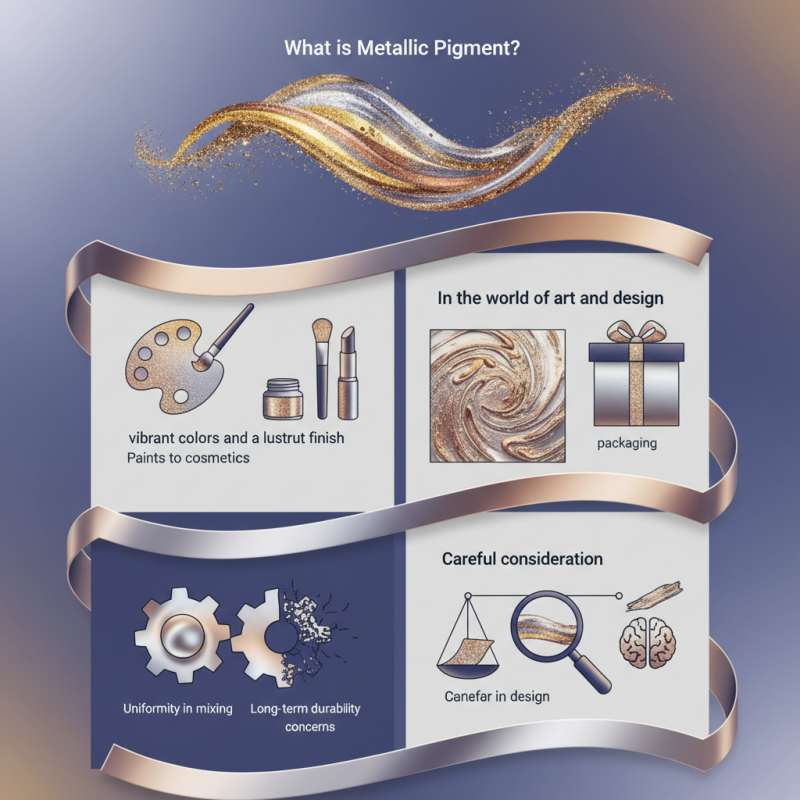
Metallic Pigment plays a crucial role in various industries. This unique material offers vibrant colors and a lustrous finish. It enhances the visual appeal of products, ranging from paints to cosmetics.
In the world of art and design, metallic pigment is highly regarded. Artists use it to create depth and texture in their work. This pigment can also be found in packaging, making products stand out on shelves. Users appreciate the richness that metallic pigment brings.
However, the application of metallic pigment is not without challenges. Ensuring uniformity in mixing can be difficult. Additionally, the long-term durability of products containing metallic pigments may raise concerns. Therefore, careful consideration is necessary when incorporating this material into designs.
Definition and Composition of Metallic Pigments
Metallic pigments are fascinating materials widely used in various industries. They are typically composed of metallic particles suspended in a carrier medium. Common metals used include aluminum, copper, and bronze. These pigments can create a wide range of visual effects, from shimmering and shiny finishes to more subdued metallic looks.
The production of metallic pigments is precise. Manufacturers often use processes like grinding and atomization to achieve the desired particle size. According to a recent report from the Global Metallic Pigments Market, the industry is projected to reach USD 2.5 billion by 2025. This growth is driven by increasing demand in automotive coatings and cosmetics, revealing just how essential these pigments are in contemporary applications.
Despite their popularity, there are imperfections in production processes that can affect performance. Some metallic pigments may agglomerate, leading to uneven pigmentation. Additionally, their performance can vary based on the application technique. Curious formulators often face challenges in achieving the desired effect. The harmony between pigment type, size, and application method can be delicate and requires thoughtful consideration to achieve perfect results. While metallic pigments offer creativity, they invite ongoing exploration and refinement in their use across different sectors.
What is Metallic Pigment and How is it Used? - Definition and Composition of Metallic Pigments
| Type of Metallic Pigment | Composition | Common Uses | Appearance | Benefits |
| Aluminum Pigment | Aluminum flakes | Automotive coatings, Printing inks | Silver to gray metallic | High reflectivity, corrosion resistance |
| Copper Pigment | Copper powder | Art applications, Decorative coatings | Reddish metallic | Unique color, antimicrobial properties |
| Bronze Pigment | Bronze alloy | Fashion accessories, Art supplies | Gold to brown metallic | Rich color, durability |
| Nickel Pigment | Nickel flakes | Industrial coatings, Plastics | Bright silver metallic | Excellent toughness, resistance to tarnishing |
Types of Metallic Pigments and Their Characteristics
Metallic pigments are a fascinating category of additives used across various industries, including automotive and cosmetics. They create shimmering effects through the reflection and refraction of light. Among the various types of metallic pigments, aluminum and brass are widely recognized for their distinct characteristics. Aluminum pigments offer a bright, silver appearance, which is perfect for creating high-impact visuals. On the other hand, brass pigments provide a warmer golden hue, giving projects a richer tone.
The market has seen a growing demand for metallic pigments, particularly in the automotive industry. According to a 2022 industry report, the global metallic pigment market is expected to reach $1.5 billion by 2025, driven by innovations and aesthetic trends. However, variability in production quality can be a concern. Some batches may not consistently achieve the desired metallic finish, leading to reflections that differ significantly between products. This inconsistency can impact not only aesthetics but also application performance.
Another important consideration is the environmental impact of metallic pigments. Some types, particularly those using heavy metals, may pose risks during production and disposal. Sustainable alternatives are emerging, but they often lack the performance and visual appeal of traditional metallic options. Balancing quality with environmental responsibility remains a challenge in this vibrant sector.
Applications of Metallic Pigments in Various Industries
Metallic pigments have found diverse applications across several industries, enhancing products with vibrant colors and appealing finishes. In automotive coatings, for example, these pigments add a lustrous sheen that catches the eye. They can transform a simple car paint into a shiny, reflective surface, which is visually striking. However, achieving the right balance in hue and shine can be quite challenging. Manufacturers often grapple with variations in batch consistency.
In the world of cosmetics, metallic pigments play a significant role as well. They are used in eye shadows, nail polishes, and lip products to create dazzling effects. A shimmer in a lipstick or a glimmer in eyeshadow can catch the light beautifully, drawing attention. Yet, formulating these products can be complex. The right amount of pigment must be used to avoid overpowering other ingredients, and achieving a smooth texture can lead to unforeseen formulation issues.
Moreover, the printing industry utilizes metallic pigments in inks for packaging and promotional materials. The metallic finish provides a luxurious look, enhancing product appeal on the shelf. However, the printing process must be carefully monitored. If not, there could be inconsistencies in the color that diminish the final product. Ensuring high-quality prints with the right pigment ratios can sometimes feel like an uphill battle, requiring constant refinement.
Applications of Metallic Pigments in Various Industries
The chart below illustrates the distribution of metallic pigment usage across different industries. The data shows the percentage of usage in automotive, packaging, construction, and cosmetics sectors.
Advantages and Disadvantages of Using Metallic Pigments
Metallic pigments are gaining popularity in various industries, but they come with both advantages and disadvantages. These pigments can create stunning visual effects and enhance the aesthetic appeal of products. According to a recent report by Market Research Future, the global metallic pigments market is projected to reach $2.6 billion by 2025. This growth highlights the increasing demand for materials that offer unique finishes and vibrant colors.
On the other hand, there are notable drawbacks to using metallic pigments. One significant concern is the environmental impact. Some metallic pigments can be harmful to the environment during production and disposal. Additionally, they may not adhere well to certain surfaces, leading to wear and fading over time. The American Coatings Association notes that achieving a consistent finish can be challenging. This inconsistency might leave manufacturers questioning the reliability of their products.
Price can also be a limiting factor. High-quality metallic pigments are often more expensive than standard options. This increased cost could deter smaller companies from using them. The need for specialized application techniques can further complicate production processes. Despite their visual appeal, these factors require careful consideration before choosing metallic pigments for any project.
Manufacturing Processes for Metallic Pigment Production
Metallic pigments are fascinating materials used in various applications. They provide a shiny, reflective quality. The manufacturing processes for metallic pigment production are essential to create these unique materials.
One common method is physical vapor deposition, where metal is heated in a vacuum. This technique allows for the deposition of a thin metallic layer on surfaces. Another method involves milling metal powders into finer particles. Both approaches require precision and control to ensure high quality.
Tips: Consider the environment. The production of metallic pigments can generate waste. It pays to think about recycling methods.
Chemical processes also play a role. These involve reactions to create metallic compounds that can be colored and added to different products. The choice of method often reflects the desired pigment characteristics. Some processes may yield variable results, necessitating careful monitoring.
Tips: Quality checks are crucial. Testing samples during production can prevent defects. Be prepared to adapt and refine techniques to improve outcomes.