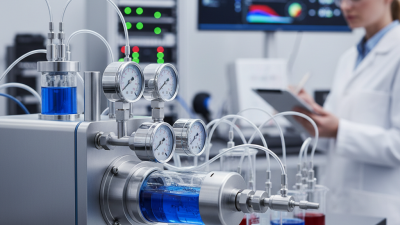
Maintaining your well and pump is crucial for optimal water supply in homes and businesses. According to the National Ground Water Association, about 15 million households in the U.S. rely on private wells. Proper upkeep can significantly increase the lifespan of your system. Neglected wells can lead to failures that are costly and inconvenient.
Regular inspections are key. The Environmental Protection Agency recommends yearly checks for contaminants and equipment performance. Many owners overlook this. Ignoring small issues can escalate into major repairs. Pump efficiency can decrease by 10% each year without maintenance. This shows the importance of routine care.
Investing in maintenance may seem unnecessary until it’s too late. A malfunctioning well and pump can disrupt daily life. It is not just about fixing problems but preventing them. Owners often assume their system is fine without regular checks, which can lead to unpleasant surprises. It's vital to develop a proactive maintenance routine that prioritizes the well-being of your water supply system.
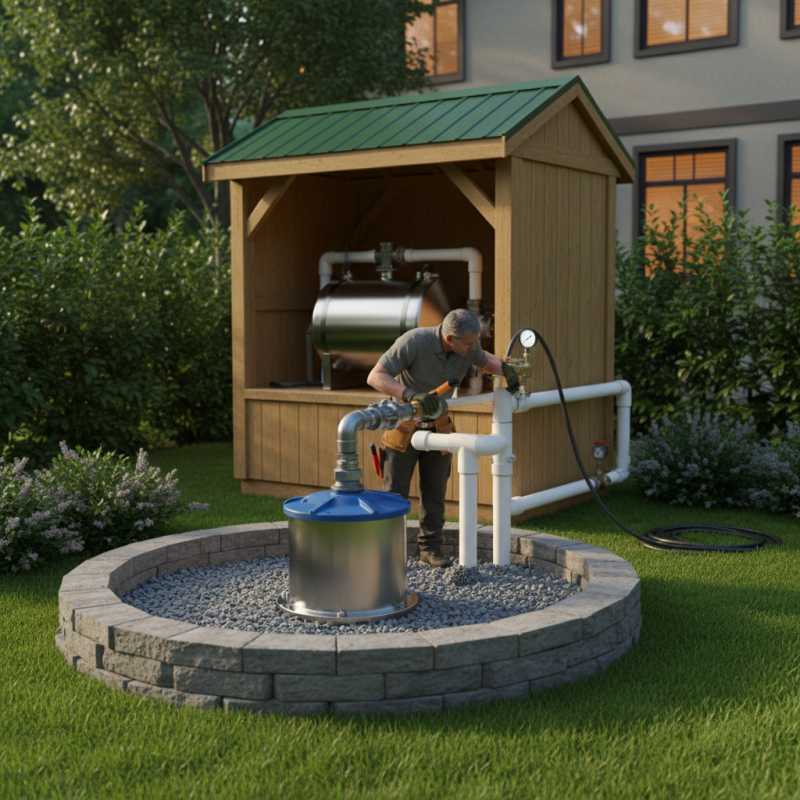
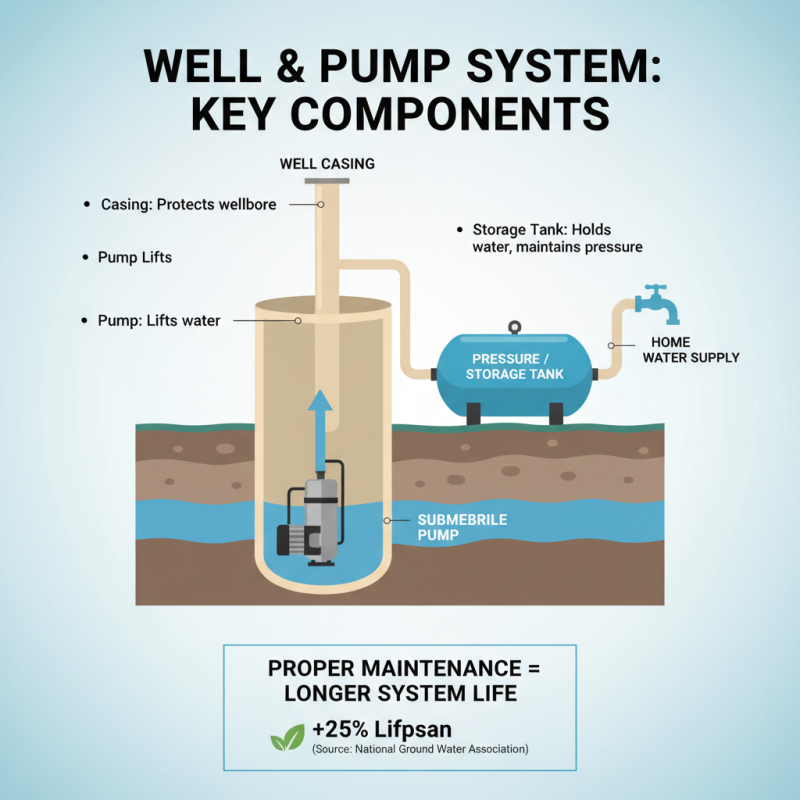
Understanding the components of your well and pump system is crucial for maintaining optimal performance. Your well's structure includes the casing, pump, and storage tank. Each part plays a vital role in water delivery. According to the National Ground Water Association, proper maintenance can extend the life of your well and pump by up to 25%.
Regularly check your pump system for any signs of wear or leaks. Neglected components can lead to inefficiency and increased energy costs. In fact, an inefficient pump can boost energy consumption by 20% or more. Pay attention to unusual sounds; they may indicate a malfunction.
**Tip:** Schedule annual inspections with a qualified technician. This proactive step can catch problems early, saving you money and hassle later on.
Keep your water supply clean. Contaminants can affect both water quality and pump operation. A study by the U.S. Environmental Protection Agency highlights the importance of regular water testing. Ignoring this aspect can lead to serious health risks.
**Tip:** Install a filtration system if necessary. It can provide peace of mind and improve water quality, ensuring your family’s safety.
Maintaining your well and pump is crucial for efficiency. Regular maintenance tasks can enhance performance and prevent unexpected failures. Start by inspecting the pump and well system regularly. Look for leaks or signs of wear. Early detection can save you time and money later.
Tip: Schedule monthly inspections, even if everything seems fine. It's better to be proactive. Flush the pump system to remove any debris. Accumulated materials can hinder performance. Watch for unusual noises or vibrations; they can indicate underlying issues.
Monitor the pressure levels often. Consistent pressure suggests a well-functioning system. If you notice fluctuations, investigate. Inspect the electrical connections to ensure everything operates smoothly. Ignoring these details might lead to bigger problems down the line.
Tip: Keep a maintenance log. Write down what you checked and when. This habit will help identify patterns or recurring issues. Don't underestimate the value of simple tasks. They play a significant role in sustaining optimal pump performance.
Maintaining a well and pump is essential for efficiency. Regularly inspecting components can prevent common issues. For instance, wear on the pump impeller can reduce flow rates. Studies show that nearly 30% of pump failures are due to wear and tear.
Another frequent problem is inadequate water supply. This may occur due to well sediment accumulation. Research indicates that sediment can decrease water quality and pressure. A drop in pressure may indicate a deeper issue requiring immediate attention.
Finally, electrical problems can impact pump performance. Wiring faults happen often, sometimes unnoticed until it's too late. Industry reports suggest that about 15% of pump breakdowns stem from electrical failures. Monitoring your system's electrical components can save costs and ensure longevity. Regular check-ups can highlight these potential issues. Ignoring small signs can lead to larger failures down the line.
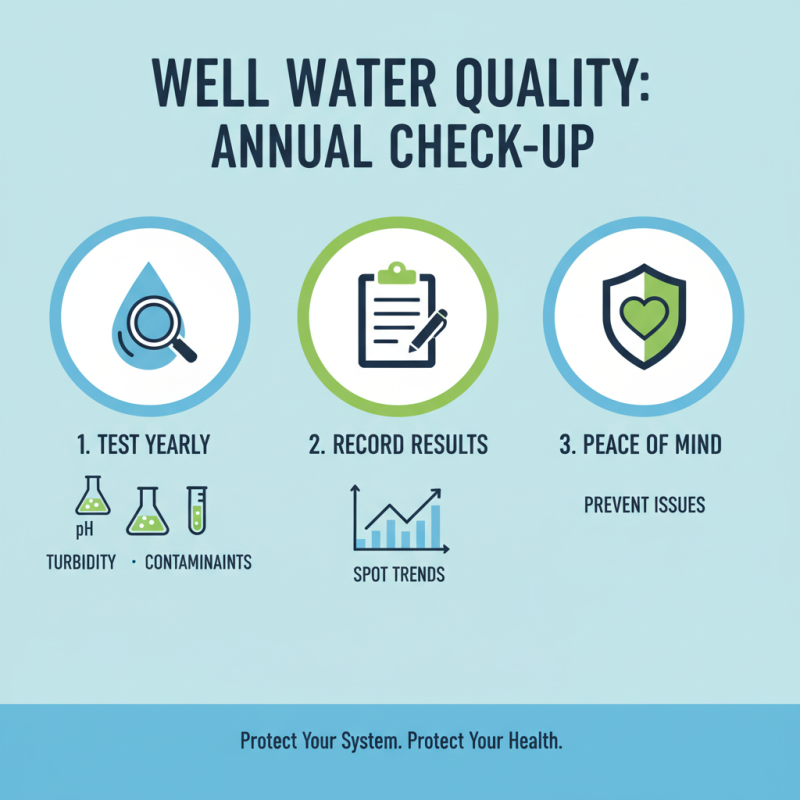
Monitoring water quality is crucial for any well system. Start by testing the water at least once a year. Check for pH, turbidity, and harmful contaminants. Keep a record of each test. This helps identify trends or sudden changes. It's easy to overlook small changes, but they can indicate larger issues. Regular testing gives you peace of mind.
Pump efficiency is just as important. Monitor its performance monthly. Listen for unusual noises or vibrations. These could signal mechanical problems. Ensure all fittings are tight and inspect seals for leaks. A drop in pressure can show wear and tear. Replace or repair parts before they lead to bigger failures.
Don’t forget maintenance routines. Clean filters regularly to ensure optimal flow. Schedule professional inspections every few years. These check-ups can reveal problems you might miss. Trusting your instincts when something feels off can save time and money. Recognize that sometimes, despite your best efforts, issues may still arise. Emphasize learning and adapting for future care.
Seasonal changes can significantly affect the performance of your well and pump. Different weather conditions require different maintenance approaches. In winter, freezing temperatures can damage pipes and pumps. Insulating exposed pipes can help prevent freezing. Regularly check equipment for any signs of stress.
During spring and summer, water demand increases. It’s essential to monitor for signs of wear. Look out for unusual noises or decreased water pressure. These may indicate that your pump needs servicing. Regularly clean the well area to prevent debris buildup.
Tips: Check your water quality periodically. Contaminated water can be harmful. Also, consider scheduling a professional inspection at least once a year. This can help catch issues early. Regular maintenance can extend the life of your system. Neglecting it now could lead to bigger problems later.
| Maintenance Task | Recommended Frequency | Seasonal Considerations | Best Practices |
|---|---|---|---|
| Inspect Well Cap | Annually | Fall | Ensure it is secure and free from cracks. |
| Test Water Quality | Every 6 months | Spring and Fall | Check for contaminants, especially after heavy rains. |
| Inspect Pump System | Biannually | Before and after Winter | Look for leaks and ensure no debris is present. |
| Replace Filters | Every 3 months | Seasonal | Change filters before high usage seasons. |
| Check Pressure Tank | Annually | Fall | Ensure it’s correctly pressurized to avoid inefficiency. |