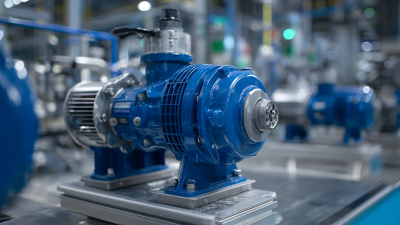
Why You Need a Laboratory Pump for Efficient Fluid Transfer

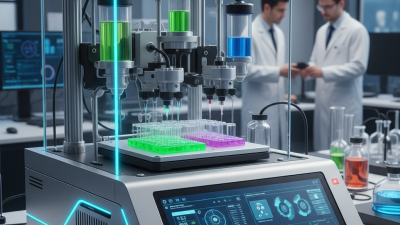
In the pursuit of efficient fluid transfer, the role of a laboratory pump cannot be overstated. As the backbone of many laboratory processes, a reliable laboratory pump ensures accuracy, precision, and minimized contamination during fluid handling. According to Dr. Emily Chen, a renowned expert in laboratory fluid dynamics, "The choice of a laboratory pump can significantly affect both experimental outcomes and operational efficiency." Her insights highlight the critical importance of selecting the right pump for specific applications, whether it involves transferring small volumes of delicate reagents or handling larger quantities of viscous materials.

Laboratory pumps come in various types, each tailored to meet distinct needs. From peristaltic pumps that excel in transferring sterile liquids to diaphragm pumps designed for handling harsh chemicals, understanding the capabilities and limitations of these devices is essential. Consequently, investing in the appropriate laboratory pump not only enhances workflow efficiency but also minimizes the risk of errors that could jeopardize research outcomes. As the demand for high accuracy in fluid transfer grows, researchers and laboratories are encouraged to recognize the indispensable value of superior laboratory pumping solutions in their work.
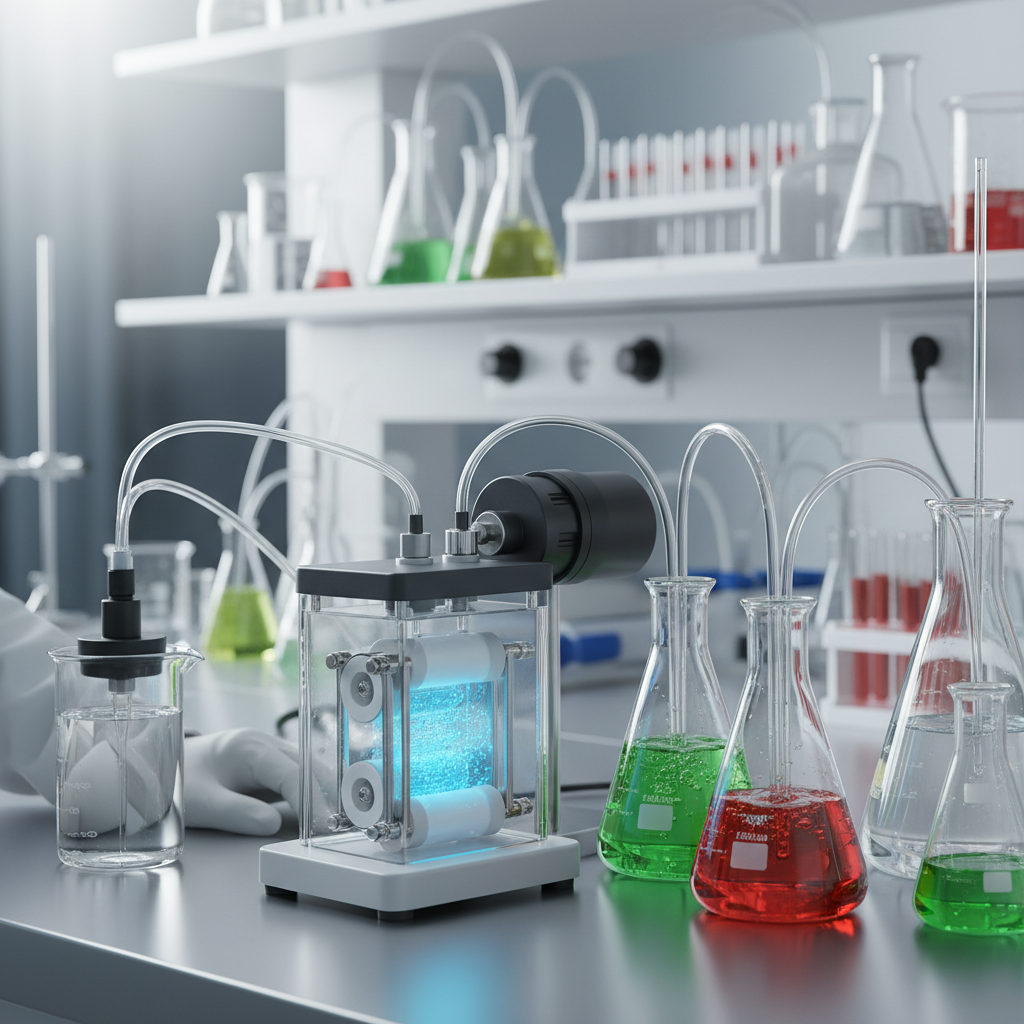
Why You Need a Laboratory Pump for Efficient Fluid Transfer

The Role of Laboratory Pumps in Streamlining Fluid Transfer Processes

In laboratory settings, the efficient transfer of fluids is crucial for achieving accurate results and maintaining productivity. Laboratory pumps play a vital role in streamlining these fluid transfer processes, ensuring precise control over flow rates and minimizing the risk of contamination. According to a report by Research and Markets, the global laboratory pump market is expected to reach $3.2 billion by 2025, indicating a growing recognition of the importance of these devices in various applications, from pharmaceuticals to chemical research.

Laboratory pumps enhance efficiency by automating fluid transfer, thereby reducing manual handling and potential errors. For instance, peristaltic pumps can provide consistent flow rates and are ideal for transferring viscous fluids or slurries, which can be challenging with traditional methods. A study published in the Journal of Analytical Chemistry noted that using automated pumping systems can increase throughput by up to 30%, highlighting their significance in time-sensitive experiments. As laboratories increasingly seek to optimize workflows and maintain high standards of quality and safety, investing in a reliable laboratory pump is becoming a necessary element of modern lab operations.
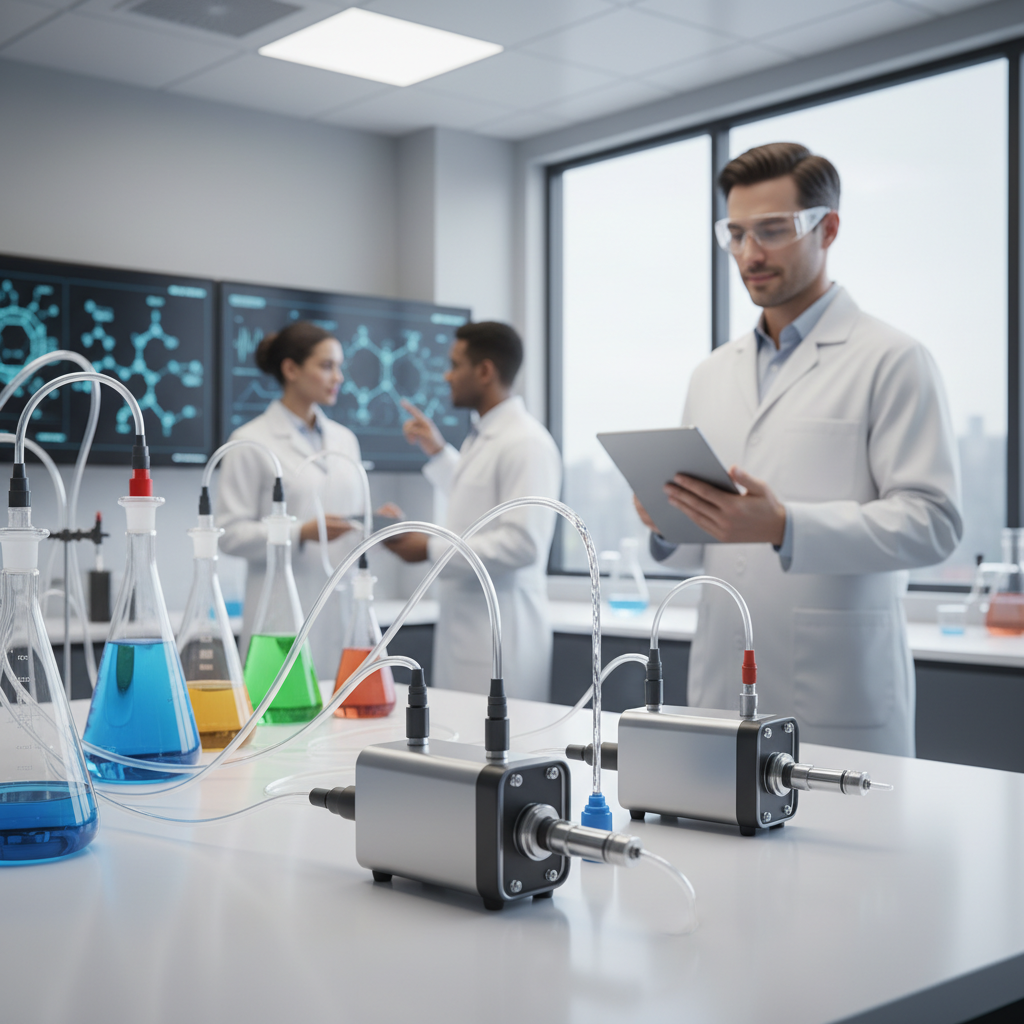
Key Types of Laboratory Pumps and Their Applications in Scientific Research

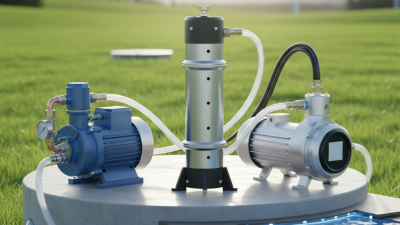
Laboratory pumps are essential tools in scientific research, offering precise control over fluid transfer for various applications. The main types of laboratory pumps include peristaltic pumps, diaphragm pumps, and gear pumps, each serving unique purposes.

Peristaltic pumps are commonly used for moving viscous fluids and corrosive substances, where the fluid only contacts the tubing, minimizing contamination risks. They excel in applications such as biotechnology and pharmaceuticals, where maintaining sample integrity is crucial.

Diaphragm pumps are favored for their efficiency in transferring gases and liquids under varying pressures. These pumps are particularly valuable in chemical analysis and environmental testing, where consistent flow rates and the ability to handle aggressive chemicals are required.

On the other hand, gear pumps provide high accuracy and reliability, making them ideal for applications that demand precise volumetric flow, such as in microfluidics and analytical chemistry. Each type of laboratory pump contributes significantly to enhancing workflow efficiency and ensuring reliable results in experimental processes.

Efficiency Metrics: How Laboratory Pumps Improve Fluid Transfer Speed and Accuracy

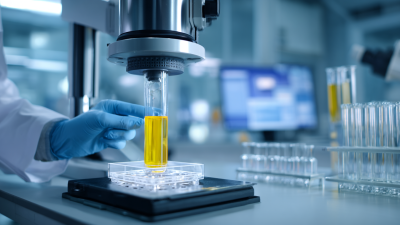
Laboratory pumps play a crucial role in enhancing the efficiency of fluid transfer processes, significantly impacting both speed and accuracy. By utilizing advanced technology, these pumps ensure consistent and precise movement of liquids, which is essential in experiments where even minor deviations can lead to inaccurate results. In many cases, manual transfer methods can introduce variables such as air bubbles or inconsistent flow rates that can compromise experimental integrity. Laboratory pumps effectively eliminate these uncertainties, allowing for streamlined operations and reliable outcomes.

The speed of fluid transfer is another critical efficiency metric where laboratory pumps excel. They are designed to handle a variety of fluids with differing viscosities and temperatures, enabling faster throughput compared to traditional methods. By optimizing the flow rate for each specific application, researchers can reduce wait times and improve productivity in the lab. This efficiency not only accelerates the pace of research but also facilitates scaling up processes for larger experiments, making laboratory pumps an indispensable tool in modern scientific research.

Comparative Analysis of Positive Displacement and Peristaltic Pumps in Laboratories

In laboratory settings, the choice of pump for fluid transfer can significantly influence efficiency and operational effectiveness. This comparative analysis focuses on two prominent types of pumps: positive displacement pumps and peristaltic pumps. Positive displacement pumps, known for their ability to move a fixed volume of fluid with each cycle, provide precise flow rates, making them ideal for applications requiring careful metering. Their design flexibility, evidenced by variations like lobe rotor geometry, allows them to adapt to different operational requirements, particularly in complex systems such as water distribution networks.

On the other hand, peristaltic pumps function by compressing and releasing flexible tubing, which offers the advantage of handling viscous or shear-sensitive fluids without contamination risk. This design not only promotes cleanliness but also provides accurate dosing capabilities. Selecting between these two options hinges on specific laboratory needs, including fluid characteristics, required precision, and potential contamination concerns. Understanding the strengths and weaknesses of both types is crucial for optimizing fluid transfer processes in laboratory environments.

Cost-Benefit Evaluation: Investing in Laboratory Pumps for Long-term Operational Gains

Why You Need a Laboratory Pump for Efficient Fluid Transfer

Investing in laboratory pumps can lead to significant long-term operational gains, making a compelling case for their inclusion in research facilities. First and foremost, these pumps enhance efficiency by ensuring precise and reliable fluid transfer. Traditional methods often result in delays and potential contamination, undermining the integrity of experiments. By utilizing laboratory pumps, researchers can achieve faster processing times while minimizing the risks associated with manual handling. This efficiency not only accelerates research timelines but also optimizes resource allocation, freeing scientists to focus more on innovative projects rather than routine tasks.

Moreover, the cost-benefit evaluation of laboratory pumps highlights their potential to reduce expenses over time. While the initial investment may seem substantial, the savings accrued from decreased labor, reduced waste, and improved accuracy justify the expenditure. Laboratory pumps mitigate the risk of errors that can lead to costly rework or loss of samples, translating into significant financial savings. As facilities embrace automation and precision in fluid transfer, they position themselves for sustained success and enhanced productivity, demonstrating that the economic rationale for laboratory pumps far outweighs the upfront costs.