What is a Lab Pump and How Does It Work?
A lab pump is a crucial instrument in many laboratories around the world. This essential device is designed to move liquids and gases with precision. According to Dr. Emily Carter, a renowned expert in fluid dynamics, "A lab pump is vital for achieving consistent experimental results." Her expertise underscores the importance of reliable lab equipment.
In scientific research, the performance of a lab pump can significantly impact results. It is not just about moving liquids; it's about doing so accurately and efficiently. Lab pumps come in various types, each tailored for specific applications. Yet, many users may overlook maintenance, leading to issues down the line.
Understanding how a lab pump operates can help users optimize their workflows. Despite their complexity, lab pumps are designed for reliability and ease of use. However, miscalculations in setup can lead to experimental errors. Investing time in learning about lab pumps is crucial for achieving meaningful results in research and development.
What is a Lab Pump: Definition and Purpose in Laboratory Settings
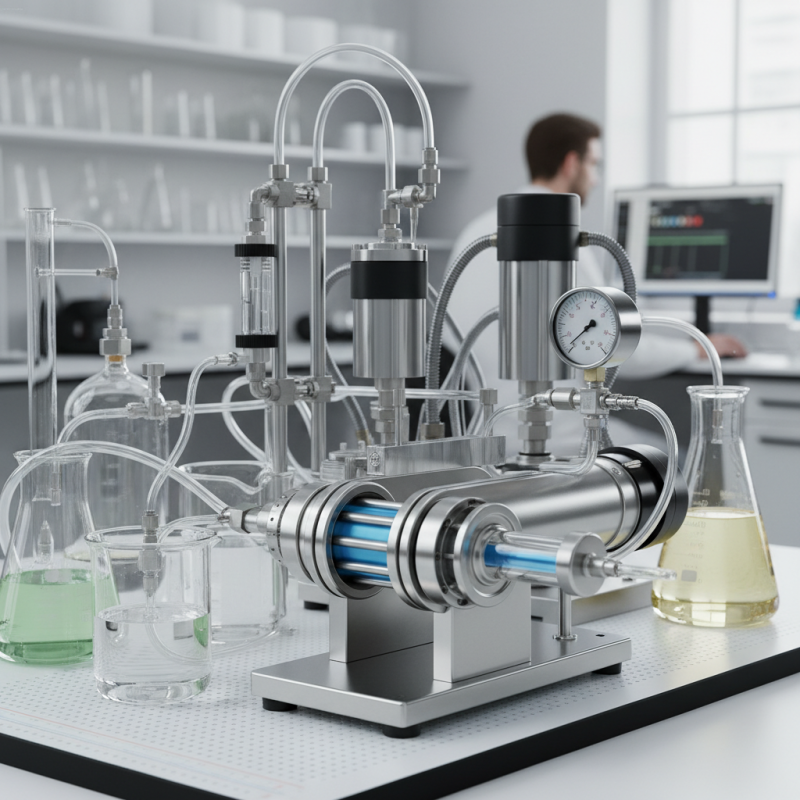
A lab pump is an essential tool in scientific research and experimentation. Its primary purpose is to move liquids or gases through systems in controlled environments. These pumps play a crucial role in various applications, such as fluid transfer, chemical mixing, and sample preparation. By ensuring precise flow rates, lab pumps help maintain the integrity of experiments.
Proper usage and maintenance of lab pumps are vital. Regularly checking seals and connections can prevent leakage. Users should also calibrate pumps according to the specific substances being used. Consistent calibration ensures accurate measurements.
Tips: When working with sensitive materials, always choose the appropriate pump type. For viscous fluids, a peristaltic pump may be ideal. Understanding the liquid's viscosity can greatly improve performance. It is also wise to consult manuals or guides for technical specifications. Always keep the workspace clean to prevent contamination.
What is a Lab Pump and How Does It Work?
| Feature |
Description |
| Definition |
A lab pump is a device used to move fluids in laboratory settings. |
| Types |
Peristaltic pumps, diaphragm pumps, and gear pumps. |
| Purpose |
To transfer liquids, maintain flow rates, and control liquid pressure. |
| Applications |
Used in chemical processing, biological research, and filtration. |
| Key Features |
Adjustable flow rates, compatibility with various fluids, and ease of use. |
| Maintenance |
Regular cleaning and checking for mechanical wear are recommended. |
Types of Lab Pumps: An Overview of Various Designs and Applications
Lab pumps are essential tools in various scientific settings. They serve specific functions depending on their design. There are several types of lab pumps, each tailored for different applications.
Positive displacement pumps are one common type. They move a fixed volume of liquid with each cycle. This design allows for precise control over flow rates. They're often used in applications where accuracy is crucial, such as in chemical analysis.
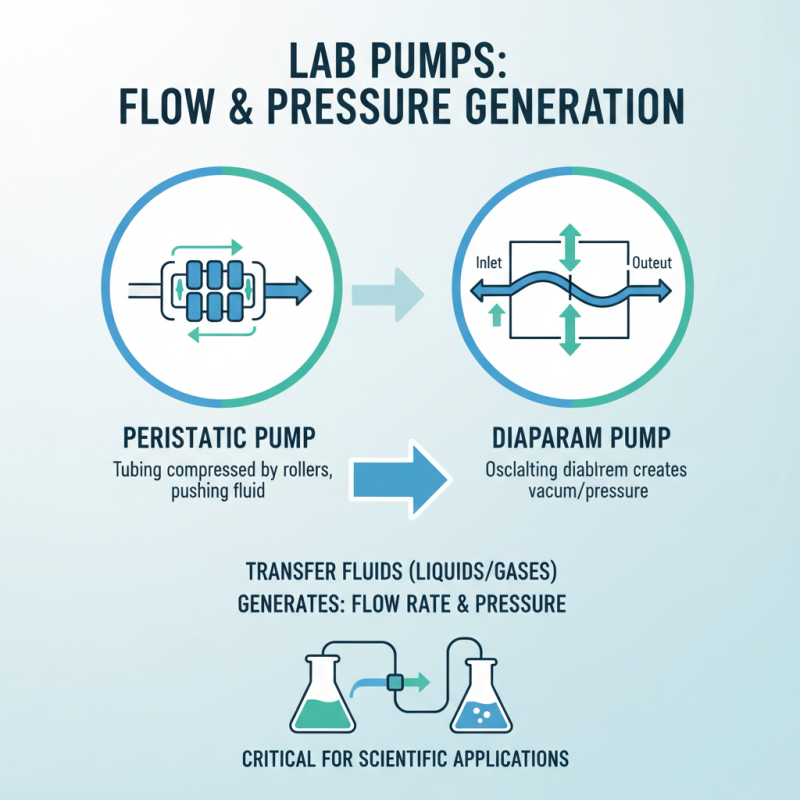
Another type is the peristaltic pump. This design works by compressing and releasing tubing, which moves fluid through it. These pumps are ideal for handling sensitive solutions, as they minimize shear stress. Their versatility allows them to be used in medical and laboratory environments.
Tip: Always ensure proper calibration of your lab pump for accurate results. Regular maintenance will prevent common issues.
Diaphragm pumps are also popular. They utilize a diaphragm to create a pressure differential. This method is effective for both liquids and gases. They are commonly used in vacuum applications.
Tip: Be mindful of the materials your pump contacts. Compatibility is key to avoiding chemical reactions.
In choosing a lab pump, consider your application’s specific needs. Each type has its pros and cons. Reflect on your lab's requirements and budget to make an informed choice.
Key Specifications and Performance Metrics in Selecting a Lab Pump
Selecting a lab pump requires careful consideration of key specifications and performance metrics. The right pump should meet the precise needs of your experiments.
Flow rate is crucial. Most lab pumps operate between 0.1 to 2000 mL/min, depending on their design. Additionally, pressure capabilities typically range from 1 to 300 psi. Understanding these specifications helps ensure the pump suits your requirements.
Another essential metric is the pump's material compatibility. Choose materials that withstand the chemicals you'll handle. This reduces the risk of contamination and equipment failure. A recent industry report indicated that 30% of lab incidents arise from inappropriate material choices.
Tips: Always verify the pump's pressure ratings. High pressures may cause failure in weak materials. Check reviews and feedback from other users. Their experiences can illuminate potential pitfalls. Balancing cost and performance is vital. A lower price tag doesn’t always guarantee reliability; you may pay more in the long run if the pump malfunctions.
Common Applications of Lab Pumps in Research and Industrial Processes
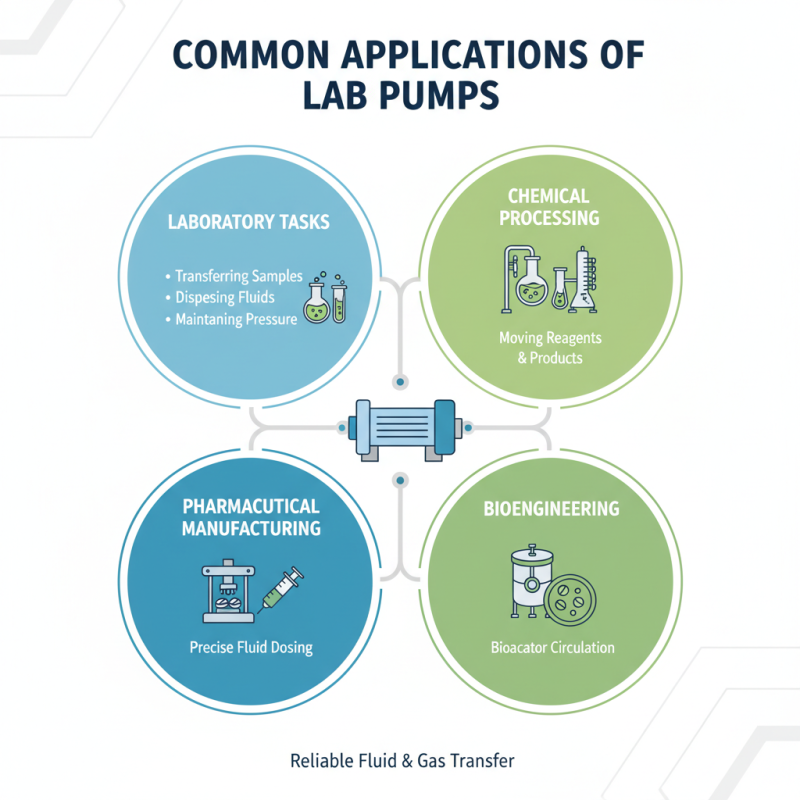
Lab pumps play a vital role in various research and industrial applications. In laboratories, these pumps are used to move liquids and gases reliably. They help with tasks like transferring samples, dispensing fluids, and maintaining pressure in systems. Common applications include chemical processing, pharmaceutical manufacturing, and bioengineering.
One key area is chemical analysis, where precise fluid movement is crucial. Lab pumps ensure consistent flow rates for accurate measurements. In pharmaceutical settings, they must operate under strict regulations. Any deviation can lead to unreliable results, which can cause serious implications.
Tips: When choosing a lab pump, consider your specific needs. Assess the viscosity of the fluids you're working with. A pump that suits low-viscosity liquids may struggle with thicker substances. Calibration is essential too; regular checks can prevent errors and improve performance.
The adaptability of lab pumps is noteworthy. They can be used in various fields, from environmental testing to food and beverage processing. Even in industrial systems, reliability is key. Poor performance can halt production and impact quality. Always be cautious with maintenance; overlook small issues, and they can escalate quickly.