What is a Lab Pump and How Does It Work in Scientific Research
In the realm of scientific research, precision and efficiency are paramount, making lab equipment essential for successful experimentation. Among the various tools utilized in laboratories, the lab pump stands out as a vital instrument that significantly enhances fluid handling processes. A lab pump is designed to transfer and manipulate liquids with a high degree of accuracy and reliability, catering to diverse applications across various scientific disciplines. By understanding the fundamental principles of how a lab pump operates, researchers can harness its capabilities to improve their experimental outcomes.
Lab pumps come in various types, including peristaltic, diaphragm, and gear pumps, each serving specific purposes depending on the nature of the fluids being handled. Their versatility allows researchers to work with a wide range of substances, from simple solvents to more complex solutions, ensuring that the precise movement and delivery of liquid are achieved. As scientific inquiries continue to evolve and demand more sophisticated methodologies, the role of the lab pump becomes increasingly crucial in facilitating seamless fluid transfers and maintaining experiment integrity.
Through this exploration, we will delve into the workings of lab pumps, examining their components, types, and applications in scientific research. By gaining insights into the operational mechanics and advantages of lab pumps, researchers can better appreciate their significance in advancing laboratory practices and pushing the boundaries of scientific discovery.
What is a Lab Pump?
A lab pump is a crucial instrument in scientific research, designed to move liquids or gases in a controlled manner. These pumps are commonly utilized in laboratories for applications ranging from chemical synthesis and chromatography to fluidic analysis and biological experiments. According to a report by MarketsandMarkets, the global laboratory pump market is expected to reach $2.31 billion by 2025, growing at a compound annual growth rate (CAGR) of 5.4%. This growth underscores the importance of lab pumps in enhancing the efficiency and precision of various scientific endeavors.
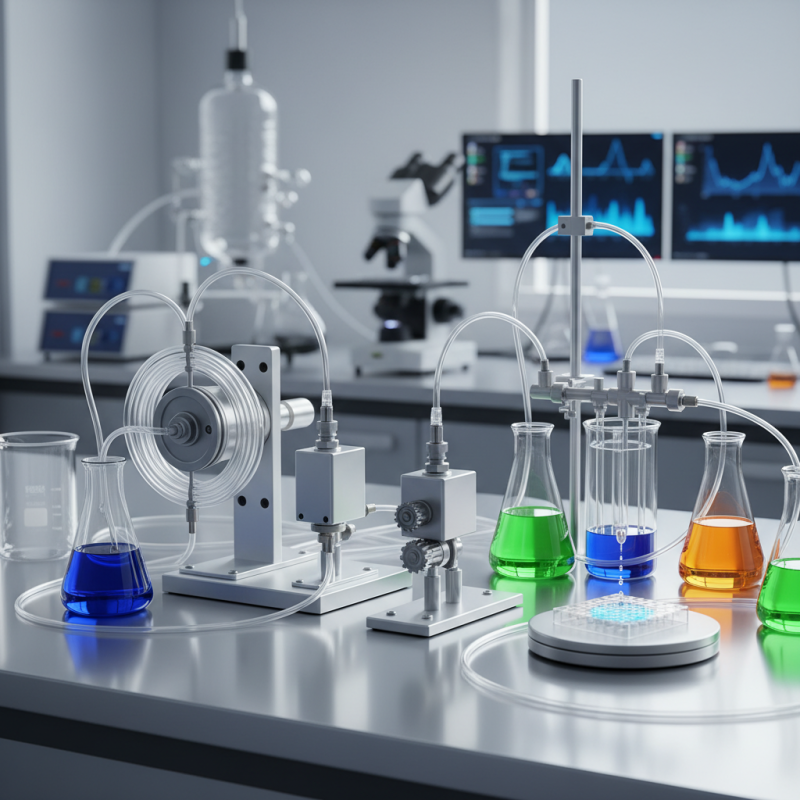
 Lab pumps operate based on a variety of mechanisms, including peristaltic, diaphragm, and gear pumps. Peristaltic pumps, for instance, utilize rollers to compress a flexible tube, allowing for accurate flow rates and minimizing contamination risks—making them ideal for use in sensitive biological applications. The versatility and accuracy of lab pumps are vital in maintaining the integrity of samples and reagents in experiments.
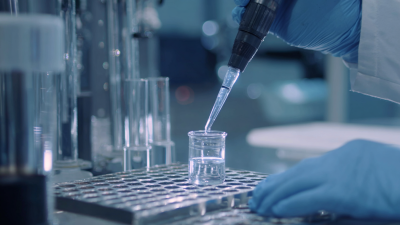
According to a study published in the Journal of Lab Automation, accurate liquid dispensing with lab pumps can improve assay performance by up to 25%, highlighting their significance in precise scientific work.
Types of Lab Pumps Used in Scientific Research
Lab pumps are essential instruments in scientific research, providing precise control over the movement of liquids and gases. There are several types of lab pumps, each designed for specific applications and requirements. Understanding the types of lab pumps helps researchers select the appropriate tool for their experiments and processes.
One common type of lab pump is the peristaltic pump. This pump operates by compressing a flexible tube, creating a vacuum that draws fluid through it. Peristaltic pumps are ideal for applications requiring sanitation, as they do not come into contact with the liquid itself, thereby minimizing contamination. They are widely used in microfluidics and biological applications where precise flow rates are crucial.
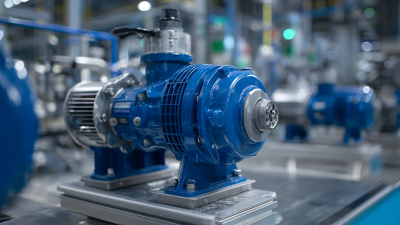
Another popular option is the diaphragm pump, which uses a flexible diaphragm to create suction and displacement. These pumps are effective for handling viscous fluids and are often used in chemical and environmental research. Additionally, gear pumps utilize gears to move fluid through the system, providing high pressure and consistent flow, making them suitable for applications in high-throughput scenarios. Each of these pump types has unique advantages that cater to different research needs, facilitating a diverse range of scientific investigations.
How Lab Pumps Function Mechanically and Operationally
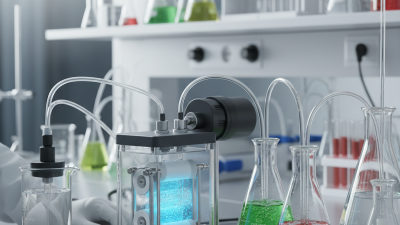
Lab pumps are intricate devices that serve a critical role in scientific research by accurately moving liquids and gases through various systems. Mechanically, a lab pump typically consists of an enclosed chamber, often equipped with a motorized mechanism that creates a vacuum or pressure differential to drive fluid motion. These pumps can be categorized into different types based on their operation, such as peristaltic pumps, diaphragm pumps, or gear pumps, each offering distinct advantages depending on the specific application. The selection of a pump type often depends on the required flow rate, the viscosity of the fluid being handled, and the level of precision needed.
Operationally, lab pumps utilize various methods to achieve the desired fluid movement. For instance, peristaltic pumps operate by compressing and releasing a flexible tube, allowing fluids to be propelled in a controlled manner. Diaphragm pumps, on the other hand, use flexible membranes to create a sucking and pushing action, making them ideal for handling corrosive or viscous liquids. The ability to precisely control flow rates and to maintain sterility in the movement of sensitive liquids enhances their effectiveness in diverse scientific contexts, from pharmaceuticals to environmental testing. Overall, the efficient function of lab pumps is crucial for the reliability and accuracy of experimental results in various fields of research.
Applications of Lab Pumps in Various Scientific Fields
Laboratory pumps are essential tools in various scientific fields, serving as highly versatile devices for fluid handling, transfer, and precise dosing. In the realm of chemistry, lab pumps facilitate the flow of reactants in synthesis experiments, enabling researchers to control reaction conditions with accuracy. In biotechnology, they are used for the cultivation of microorganisms in bioreactors, where maintaining the right culture volume and nutrient supply is crucial for successful outcomes.
Tips: When selecting a lab pump for a specific application, consider the chemical compatibility with the fluids being handled. This will help prevent pump damage and ensure reliable operation.
In environmental science, lab pumps play a vital role in sampling and analysis. They are employed for extracting groundwater samples or collecting air samples, aiding in the study of pollution levels and contamination spread. Additionally, in the medical field, pumps are crucial for processes such as fluid exchange during medical procedures, ensuring patient safety and precision in dosage.
Tips: Regular maintenance and calibration of lab pumps can enhance their lifespan and ensure accurate results in experiments. Always refer to the manufacturer's guidelines for best practices.
Benefits and Limitations of Using Lab Pumps in Research
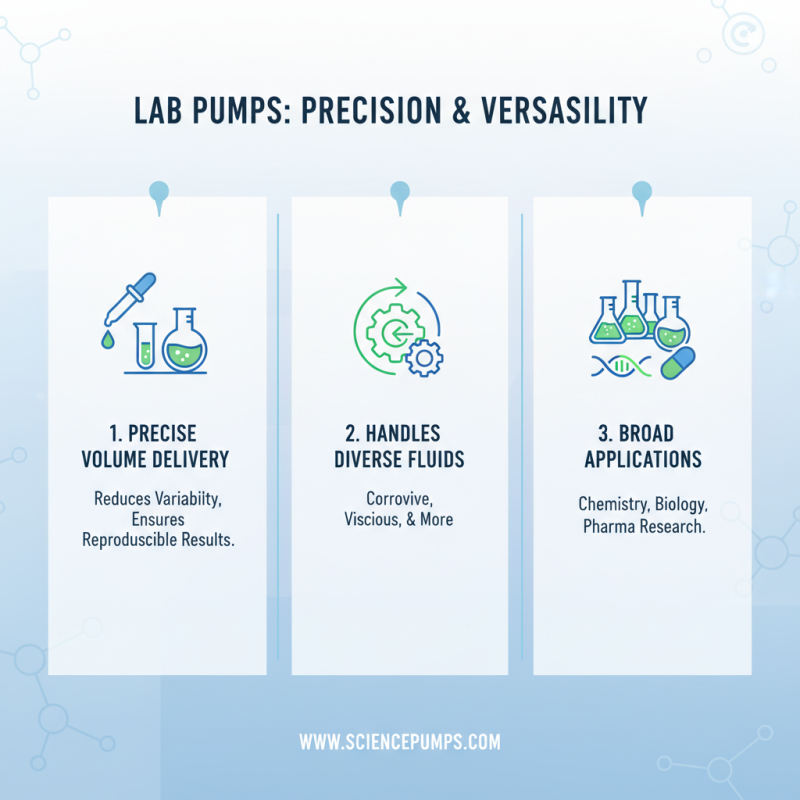
Lab pumps are essential tools in scientific research, offering several benefits that enhance experimental accuracy and efficiency. One significant advantage is their ability to deliver precise volumes of liquids, which is critical for experiments that require stringent control over reagents and solutions. This accuracy reduces variability in experimental data, allowing researchers to achieve reproducible results. Furthermore, lab pumps can handle a variety of fluids, including corrosive and viscous substances, expanding the range of applications in various fields such as chemistry, biology, and pharmaceuticals.
However, there are limitations associated with the use of lab pumps. One notable drawback is the potential for mechanical failure or malfunctions, which can disrupt experiments and lead to costly delays. Additionally, while lab pumps are designed to handle many liquids, they may not be suitable for certain high-temperature or high-pressure applications without additional equipment. Researchers must also be mindful of the pump's compatibility with the fluids being used, as some materials can degrade with specific solvents. Understanding these limitations is crucial for researchers to make informed decisions about incorporating lab pumps into their experimental designs.