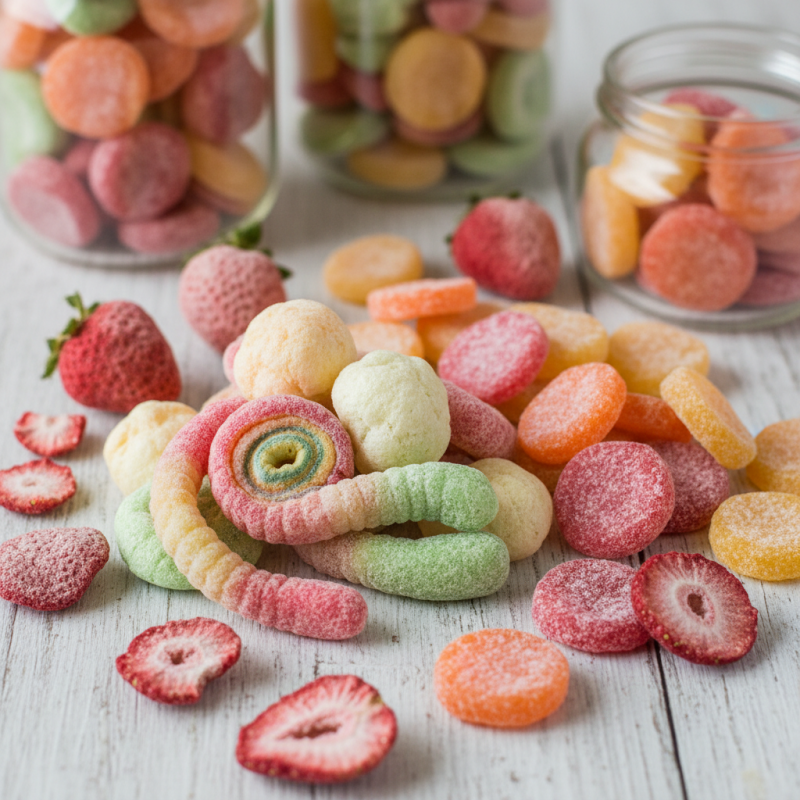
What is Freeze Dry Candy and How is it Made?
Freeze Dry Candy has emerged as a unique treat loved by many. This method of candy-making preserves flavors and textures in a special way. With a fascinating process, freeze-dried sweets maintain their original taste but achieve a light and crispy consistency.
Creating Freeze Dry Candy involves removing moisture through freezing. This process results in extraordinary flavors bursting in your mouth. Imagine biting into a strawberry that tastes just like the fresh fruit, yet has a crunchy texture. The attention to detail in crafting each piece is evident.
Yet, it’s important to note that not every candy can be effectively freeze-dried. Some may lose their original appeal. The process requires time and patience, often with unexpected results. Each batch offers opportunities for improvement and experimentation. As more people try this innovative method, the appeal of Freeze Dry Candy continues to grow, sparking curiosity and excitement.
What is Freeze Dry Candy?
Freeze dry candy is a unique treat that intrigues candy lovers. This process removes moisture while preserving flavor and shape. As a result, it creates a crunchy texture and enhances sweetness. The global freeze-dried food market, which includes candies, was valued at approximately $2.17 billion in 2021. This figure shows a growing trend among consumers seeking innovative snack options.
The process of freeze-drying candy involves several steps. First, the candy is placed in a chamber where moisture is frozen. Then, a vacuum is applied to remove ice through sublimation. According to industry reports, this method retains up to 97% of original nutrients. It allows candies to have a long shelf life without preservatives. Yet, the challenge lies in maintaining taste and texture during the process. Not all candies provide an enjoyable freeze-dried result, and experimenting can yield mixed outcomes.
Given the popularity of freeze-dried treats, many are keen to try making them at home. However, achieving perfect results requires precise conditions and equipment. Reports suggest that consumers sometimes experience difficulties getting the right consistency. Overall, while freeze-dried candy is exciting, the complexities of its production can't be overlooked.
The History of Freeze Drying in Candy Production
Freeze drying, known as lyophilization, has an intriguing history in candy production. It began in the mid-20th century, primarily used for preserving food. As technology evolved, candy manufacturers saw potential. The process removes moisture while retaining flavor and nutrients. This method transforms fruits, sweets, and even chocolates into unique treats. It’s fascinating to see how this technique enhances textures and flavors.
However, the journey hasn't been entirely smooth. Initially, freeze-dried candies faced skepticism. Consumers were unsure about the texture and taste. Many found the concept unusual. Over time, as people embraced new experiences, opinions shifted. The crunchy, light nature of freeze-dried candy became appealing. Still, challenges like production costs and consistency remain. Makers continue to experiment with flavors and techniques, pushing boundaries.
The Freeze Drying Process Explained
Freeze-drying candy is an intriguing process. It enhances flavors and creates unique textures. This method removes moisture while preserving the candy's structure. The process begins with selecting fresh ingredients. Fruits, for instance, are popular choices. They often become vibrant, crunchy treats after freeze-drying.
The freeze-drying process itself involves several steps. Initially, the selected ingredients are frozen at extremely low temperatures. This turns the water inside them into ice. Next, a vacuum is applied. This reduces the pressure around the frozen candy. As a result, the frozen water sublimates, meaning it transitions from ice to vapor. This step is crucial. It allows the candy to retain its original shape and flavor.
However, there can be challenges in the process. Not all candies respond well to freeze-drying. Some may become too tough or lose their sweetness. Experimenting with different recipes may be necessary. Finding the right balance can take time and patience. Each batch can yield different results, making it a learning experience.
What is Freeze Dry Candy and How is it Made? - The Freeze Drying Process Explained
| Candy Type | Main Ingredients | Freeze Dry Process Duration | Final Texture | Common Flavors |
| Fruity Candies | Fruits, Sugar, Citric Acid | 24-36 Hours | Crispy and crunchy | Strawberry, Blueberry, Mango |
| Chocolate Candies | Chocolate, Sugar | 12-24 Hours | Light and crunchy | Milk Chocolate, Dark Chocolate |
| Gummy Candies | Gelatin, Sugar, Corn Syrup | 18-30 Hours | Puffed and airy | Berry, Sour Apple, Cola |
| Marshmallow Candies | Sugar, Egg Whites, Corn Syrup | 15-25 Hours | Airy and fluffy | Vanilla, Chocolate, Strawberry |
Popular Types of Freeze Dry Candy
Freeze dry candy has gained popularity for its unique texture and flavor. This method removes moisture while preserving the original taste. Many enjoy the crispy, airy bites that are both fun and delicious.
Among popular types of freeze dry candy, fruits are a top choice. Strawberries and bananas transform beautifully, becoming crunchy yet retaining natural sweetness. Gummy candies also undergo a great change, becoming light and crispy, offering a different experience from their chewy counterparts. Chocolate-covered options provide a delightful contrast; the chocolate maintains its flavor, but the texture shifts dramatically.
Some enthusiasts experiment with other treats. Freeze-dried ice cream is a surprising delight, appealing to those seeking novelty. Yet, not all types succeed. Some candies may lose their essence in the freeze-drying process. It’s crucial to test and refine recipes. Each attempt leads to better understanding and joy in creation.
Health Benefits and Considerations of Freeze Dry Candy
Freeze dry candy offers a unique way to enjoy sweets without much moisture. This method preserves the flavor and nutrients. When prepared properly, it can retain vitamins better than traditional candy. That's one of its appealing health benefits.
However, not all freeze dry candy is equal. Some may contain added sugars or artificial flavors. It's essential to read labels carefully. These additives can lessen the health benefits. The texture is light and crispy, making it a fun snack option. But it's crucial to moderate consumption, as sugar levels can still be high.
Moreover, the process of freeze drying can be energy-intensive. This raises questions about sustainability. Is it worth it for a few pieces of candy? While some enjoy the crunch and flavor, others may find the environmental impact concerning. As with any treat, balance is key.