How to Choose a Well and Pump System for Your Water Needs?
Choosing the right well and pump system is vital for your water needs. As expert David Thompson says, "A suitable well and pump is the backbone of reliable water supply." This quote highlights the importance of understanding your options. Selecting the right system can seem overwhelming. Many factors come into play, such as water quality, depth, and system efficiency.
When not correctly chosen, a well and pump system might lead to issues. For instance, poor water quality can arise from improper placement. Additionally, an inefficient pump can result in higher energy costs. It is essential to evaluate these aspects before making a decision. You may find yourself questioning your choices in hindsight.
Researching various systems can reveal surprising details about your options. Each well and pump system presents unique benefits. Considering factors such as maintenance needs and installation costs is crucial. Reflecting on these elements promotes better long-term satisfaction with your water supply. Take time to think about your specific requirements. This reflection can guide you toward the best decision for your home.
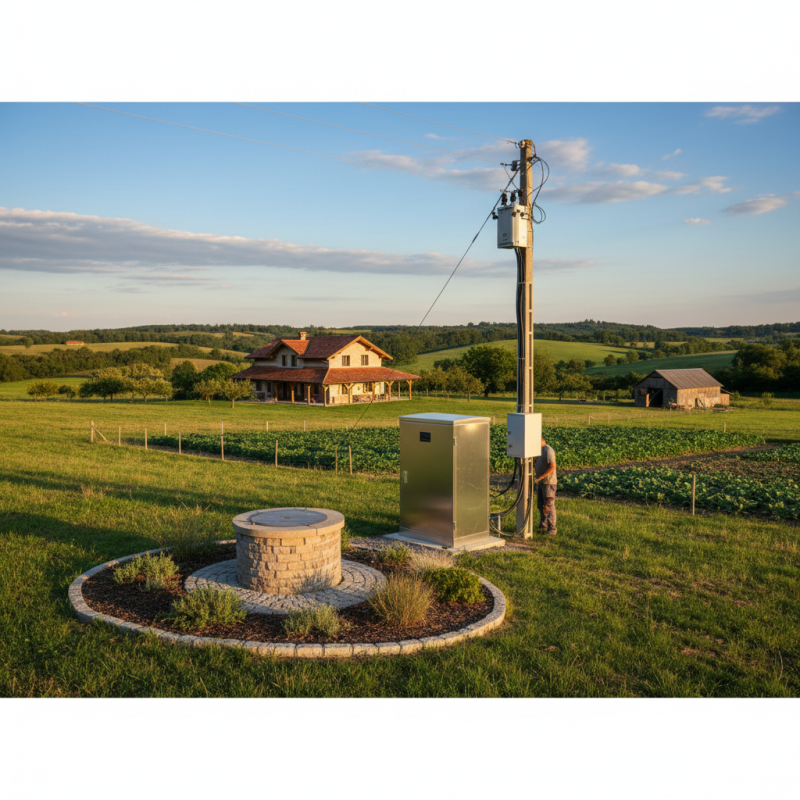
Factors to Consider When Selecting a Well Location
When selecting a well location, several factors demand your attention. Start with proximity to your home. The closer the well, the more convenient it is for access. However, too close can pose risks. Be mindful of contamination from septic systems or livestock areas.
Soil type matters as well. Sandy soils offer good drainage, while clay can retain too much water. This impacts the well's efficiency. Check local geology reports. Understanding the ground’s makeup is essential.
Tips: Consider elevation when choosing a site. Higher ground can help protect your well from flooding. Avoid areas with surface water that can lead to contamination.
Evaluate the accessibility for maintenance too. Your well should be reachable for regular checks and repairs. Finding the right spot is a mix of science and practical choices. Don't rush—take time to assess all aspects carefully.
Types of Wells Suitable for Different Water Needs
When choosing a well and pump system, understanding the right type of well is crucial. There are three primary types: dug wells, drilled wells, and driven wells. Each serves different water needs based on depth, capacity, and location. According to the U.S. Geological Survey, around 15% of American households rely on private wells for their water supply.
Dug wells are shallow and cheaper to construct. They’re ideal for areas with a high water table. However, their vulnerability to contamination makes them less reliable. A drilled well goes deeper into the ground and can tap into broader aquifers, offering better quality and quantity. Driven wells, often used for temporary purposes, can work well in sandy soil but are less common for long-term needs.
Tips: Always test water quality before use. Regular maintenance checks on the pump system are essential. You might find it tempting to save money by skimping on thorough testing, but this could lead to significant issues later.
Consider local regulations and the environmental impact. Knowledge gaps can hurt any project. Understanding your area’s geology is vital. Hydrogeology reports can offer insights specific to your property. Yet, hiring a professional can be a necessary expense. It’s worth investing upfront to prevent costly mistakes.
How to Choose a Well and Pump System for Your Water Needs?
| Type of Well |
Water Source |
Depth (ft) |
Best Use Cases |
Estimated Cost |
| Drilled Well |
Groundwater |
100 - 500 |
Residential, Agricultural |
$5,000 - $15,000 |
| Driven Well |
Shallow Groundwater |
20 - 50 |
Temporary Use, Garden Irrigation |
$1,000 - $3,000 |
| Artisan Well |
Pressurized Aquifers |
50 - 100 |
Potable Water, Rural Areas |
$3,000 - $7,000 |
| Bored Well |
Surface Water |
10 - 30 |
Small Scale, Low Yield |
$500 - $2,000 |
Evaluating Water Quality and Testing Requirements
When selecting a well and pump system, water quality is crucial. Understanding your water source helps ensure safety and usability. Recent studies show that over 30% of private wells in the U.S. do not meet EPA standards for contaminants. Regular testing is key to identifying issues like bacteria, nitrates, and heavy metals.
Testing requirements vary by region. Local health departments can provide guidance on how frequently to test. Many recommend at least once a year for basic contaminants. If you notice changes in taste, smell, or color, retest immediately. These indicators can signal problems that may require immediate action.
The cost of water testing may seem daunting. However, neglecting it can lead to health risks and expensive repairs down the line. Be proactive. Consider employing certified labs for comprehensive testing. This step is vital for maintaining a safe water supply for your household. Also, document your results over time. It can help identify trends that require attention.
Maintenance and Troubleshooting of Well and Pump Systems
Maintaining a well and pump system is essential for reliable water access. Regular checks can prevent major issues. Monitor the water pressure regularly. Fluctuating pressure may indicate a problem. Listen for unusual noises from the pump as well. A humming sound might suggest motor issues. These signs should not be ignored.
Troubleshooting is often about observation. Look for leaks around the joints and fittings. A small drip can become a big problem. Check the electrical connections too. Loose wires can lead to pump failure. In many cases, it’s easy to overlook simple maintenance tasks, leading to larger issues later on.
Cleaning the well is another important step. Sediment can build up and affect water quality. Regularly inspect the well cover and casing for signs of wear. Unnoted deterioration might result in costly repairs. A proactive approach can prevent headaches and ensure clean water flow.
Well and Pump System Performance Metrics
This bar chart demonstrates the flow rates of different well and pump types measured in gallons per minute (GPM). Understanding the performance metrics of various systems can aid in selecting the best setup for your water needs.