How to Choose the Right Lab Pump for Your Needs?
Choosing the right lab pump is crucial for efficiency and accuracy in scientific work. The global lab pump market is expected to reach $1.2 billion by 2026, showing significant growth. This growth highlights the importance of selecting pumps that meet specific laboratory requirements.
Laboratories require diverse pumping solutions, from low-flow applications to high-pressure systems. Understanding the specific needs—like flow rate, chemical compatibility, and pulsation—is vital. Reports indicate that 40% of researchers struggle with pump selection. Often, they overlook these essential factors.
Many lab pumps are not one-size-fits-all. Selecting one can be daunting. Some may not withstand harsh chemicals. Others may not offer the precision needed for sensitive tasks. Reflecting on past experiences can guide better decisions. Pay attention to user reviews and performance reports. These details can aid in making informed choices.
Understanding Lab Pump Types and Their Functions
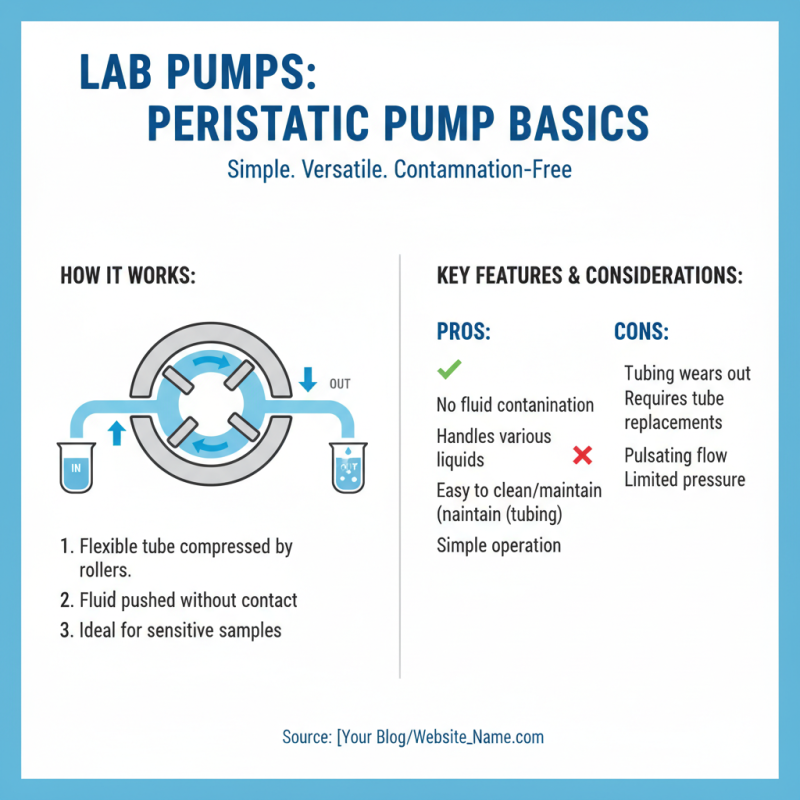
Choosing the right lab pump begins with understanding the various types available. Peristaltic pumps are simple and versatile. They work by compressing flexible tubes, enabling various fluid types to be moved without contamination. This is crucial when handling sensitive samples. However, these pumps can wear down the tubing over time, requiring frequent replacements.
Another option is diaphragm pumps. These pumps are ideal for applications needing precise pressure control. They use a flexible diaphragm to create a vacuum or pressure. They are excellent for transferring corrosive liquids. Yet, they may not be the best choice for high flow rates. Evaluating these limitations is essential for your lab's needs.
Gear pumps offer high viscosity handling. They are suited for thick fluids or slurries. Their operation is straightforward, but they can generate considerable shear stress, which may affect some samples. This trade-off must be weighed carefully. Understanding these pump types allows for informed decisions, ensuring that your lab operates smoothly.
Evaluating Flow Rates and Pressure Requirements for Your Application
When choosing a lab pump, evaluating flow rates is crucial. Each application has specific flow demands. A pump that moves fluid too slowly can impact results. Conversely, a pump with too high a flow can cause issues like cavitation. It's essential to match the pump's flow rate with what your experiments require.
Pressure requirements are equally important. Different processes may need varying pressure levels. For example, a high-viscosity fluid may require more pressure to pump effectively. On the other hand, some setups operate best at lower pressures. Connecting the right pressure with flow rate can be tricky. Mistakes here can lead to system failures or inaccurate results.
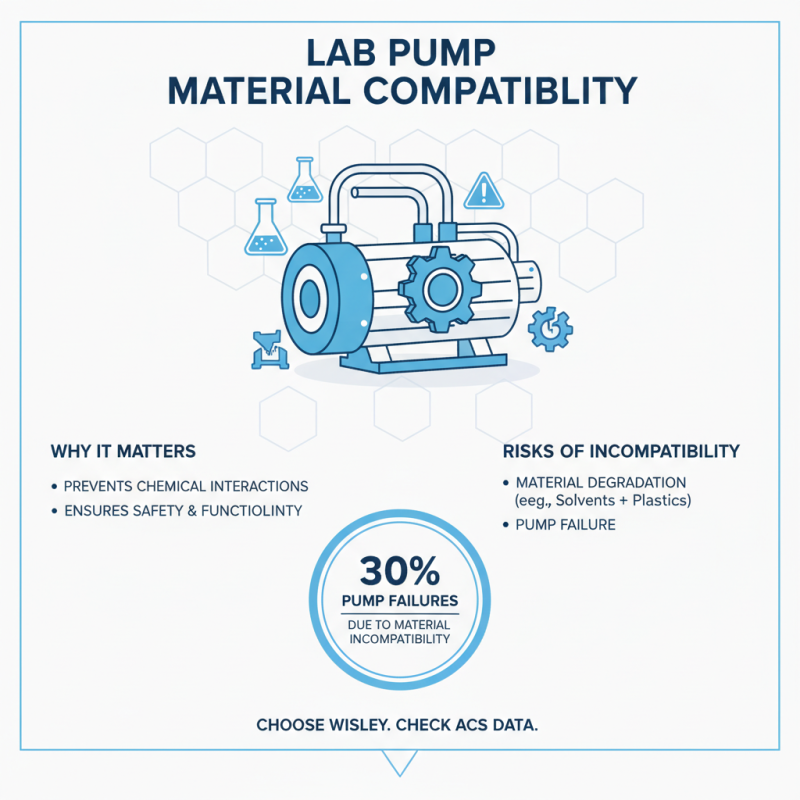
Be mindful of additional factors, such as temperature and chemical compatibility. These details can affect pump performance significantly. Taking time to understand these variables is key. Skipping this step may lead to frustration down the line. The right pump can enhance efficiency, but a poor choice often results in complications. Always reflect on your specific needs before committing to a pump.
Flow Rates vs. Pressure Requirements for Different Applications
Identifying Key Features and Controls for Usability
When selecting a lab pump, usability is crucial. Look closely at key features and controls that enhance your experience. A user-friendly interface is essential. Do the buttons feel intuitive? Are they labeled clearly? Consider the layout—are controls easy to reach? A complicated setup can lead to errors.
Adjustability matters, too. Can you easily change flow rates? What about priming and cleaning? These tasks should not require a manual. A quick-release mechanism can save time during workflow changes.
Not all pumps have the same level of accuracy. Test the consistency of flow over time. Inaccuracies can lead to varied results in experiments. Some models may struggle here, requiring adjustments that take time. Reflection on your needs is vital. Will you need a pump for a simple application, or something more complex? Always assess practical uses.
Budgeting and Cost Considerations When Choosing a Lab Pump
When selecting a lab pump, budgeting is critical. The price of lab pumps can vary significantly, ranging from a few hundred to several thousand dollars. According to industry reports, a mid-range pump typically costs around $1,500. However, the total cost of ownership includes more than just the initial purchase price. Consider maintenance, repairs, and operational costs over the pump's lifespan.
Operational costs can also be impacted by energy consumption. Some pumps are more energy-efficient than others. A study by the American Society of Mechanical Engineers notes that energy-efficient pumps can reduce costs by up to 30%. Additionally, training staff to use the equipment correctly can prevent costly errors.
While it’s tempting to opt for the cheapest option, quality often suffers at the lower price points. Cheaper pumps may have limited capabilities and shorter lifespans. Failure rates can increase, potentially leading to costly downtime. Investing in a reliable pump is often more economical in the long run. Balancing upfront costs with potential long-term savings requires careful consideration.
How to Choose the Right Lab Pump for Your Needs? - Budgeting and Cost Considerations When Choosing a Lab Pump
| Pump Type |
Flow Rate (L/min) |
Pressure Range (psi) |
Material Compatibility |
Approximate Cost (USD) |
| Peristaltic Pump |
0.1 - 6 |
10 - 30 |
Water, chemicals |
$500 - $2,000 |
| Diaphragm Pump |
0.5 - 5 |
5 - 40 |
Liquids, gases |
$400 - $1,500 |
| Gear Pump |
1 - 20 |
50 - 200 |
Oils, viscous liquids |
$1,000 - $3,500 |
| Centrifugal Pump |
5 - 100 |
5 - 50 |
Water, mild chemicals |
$700 - $2,500 |
| Screw Pump |
0.5 - 15 |
10 - 100 |
Fibrous materials, slurry |
$1,500 - $4,000 |