How to Choose the Right Carbon Steel Pipe for Your Project?
Choosing the right Carbon Steel Pipe can be a daunting task. The industry offers various grades and specifications, each suited for different applications. According to a report by Research and Markets, the global carbon steel pipe market is projected to reach $150 billion by 2025. This growth underscores the importance of selecting the right type for your specific needs.
Expert John M. Carter, a senior engineer at Steel Insights, emphasizes, "The choice of Carbon Steel Pipe significantly impacts project sustainability and performance." His insight highlights that understanding the chemical composition and physical properties of these pipes is critical. Factors such as tensile strength, load-bearing capacity, and corrosion resistance must be considered.
While many assume that any carbon steel pipe can suffice, this is often not the case. Poor choice can lead to unexpected failures, resulting in costly delays. Taking the time to analyze project requirements and consult industry experts is essential. This approach promotes reliability and longevity in your construction projects.
Understanding Different Types of Carbon Steel Pipes Available
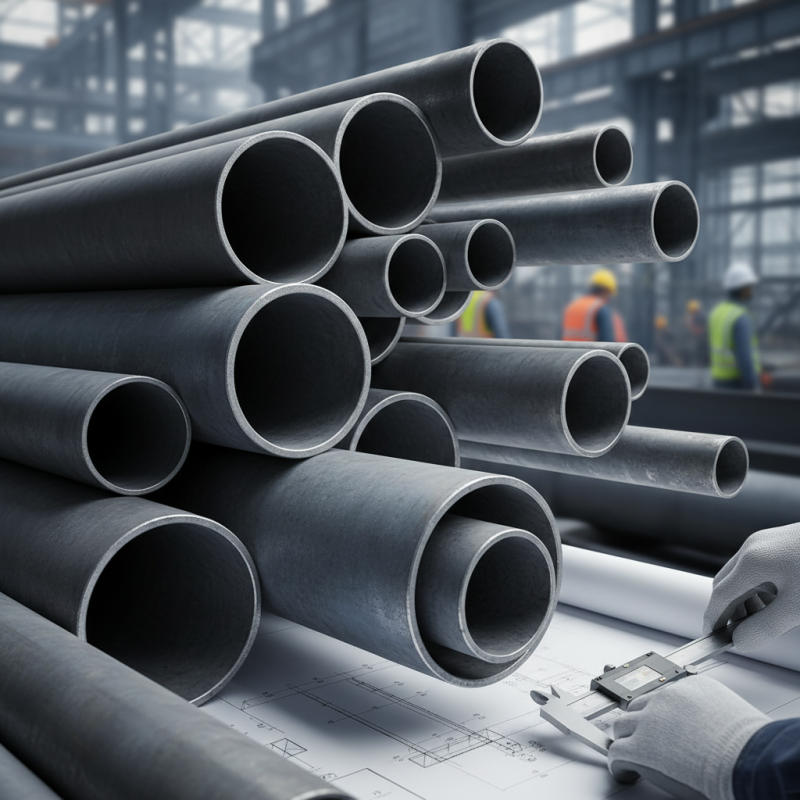
When selecting carbon steel pipes for your project, it’s essential to grasp the various types available. Carbon steel pipes generally fall into three categories: low, medium, and high carbon steel. Low carbon steel is malleable and weldable, making it ideal for structural applications. Medium carbon steel pipes offer a balance of strength and ductility, better suited for manufacturing equipment. High carbon steel pipes are stronger and harder; they’re often used in critical applications but can be more challenging to work with.
Consider the specifications required for your project. Different wall thicknesses and diameters create varying strengths and applications. For instance, thicker pipes can withstand higher pressures, useful in oil and gas industries. However, they can be heavier and more complex to install. Additionally, non-destructive testing methods can reveal hidden flaws. These inspections ensure the pipe integrity is sound, yet they can be overlooked during selection, leading to potential issues later. Understanding the properties of each type of carbon steel pipe can significantly influence your project's success and longevity.
How to Choose the Right Carbon Steel Pipe for Your Project?
| Type of Carbon Steel Pipe | Typical Applications | Wall Thickness (inches) | Diameter Range (inches) | Strength (Yield Strength in psi) |
| A53 Type E | Structural Applications | 0.125 - 0.500 | 1.50 - 36.00 | 35,000 |
| A106 Grade B | High-Temperature Service | 0.200 - 0.750 | 2.00 - 24.00 | 60,000 |
| A500 Grade C | Structural Tubing | 0.125 - 0.375 | 2.00 - 12.00 | 46,000 |
| API 5L Grade X42 | Pipeline Transport | 0.250 - 0.500 | 4.00 - 30.00 | 42,000 |
| A252 Grade 2 | Piling and Foundation | 0.200 - 0.500 | 6.00 - 48.00 | 35,000 |
Key Factors to Consider When Selecting Carbon Steel Pipes
Choosing the right carbon steel pipe for your project requires careful consideration of several key factors. First, you need to understand the various grades of carbon steel available. According to the American Society for Testing and Materials (ASTM), commonly used grades include A106, A53, and A500, each having specific chemical and mechanical properties. The selection of grade impacts factors such as strength, durability, and resistance to corrosion.
Another crucial factor is the pipe size and schedule. Different projects have varying requirements for fitting and flow rate. Generally, larger diameters can accommodate higher volumes. The schedule refers to wall thickness, influencing the pressure rating. The American National Standards Institute (ANSI) provides standards to guide these specifications.
Tips: Always consult with structural engineers. Their expertise shines light on often-overlooked factors like the environment and stress levels affecting pipes. Prioritize quality assurance certifications. This ensures compliance with industry standards, enhancing safety and performance. In some cases, detailed inspection protocols reveal potential issues not initially visible.
Understanding the application is vital. For instance, piping systems used in high-temperature settings require specific grades to maintain integrity. Yet, many overlook this aspect, leading to potential failures. Using the right carbon steel pipe not only supports project longevity but also ensures safety.
Assessing the Applications of Carbon Steel Pipes in Various Projects
When considering carbon steel pipes for various projects, it’s crucial to assess their applications carefully. Carbon steel pipes are versatile and often used in construction, plumbing, and industrial applications. For instance, they can handle high pressures and temperatures, making them ideal for oil and gas transportation. However, the specific project requirements will dictate what type of carbon steel pipe is the best fit.
In plumbing, carbon steel pipes provide durability but may require proper coating to prevent rusting. In contrast, projects involving chemical processes can expose these pipes to corrosive substances. Therefore, understanding the environment where the pipes will be used is vital. It might be useful to consult with engineers or industry experts to ensure the right choice is made.
Evaluating the dimensions and wall thickness is equally important. Thicker pipes can bear more pressure but may also be heavier and more costly. It’s essential to balance strength with practicality based on the project. Rushing this decision could lead to significant issues down the line, making thorough research imperative. Every project has unique demands that require careful thought and planning.
Carbon Steel Pipes: Applications in Different Industries
Evaluating Pipe Specifications: Dimensions, Pressure Ratings, and Grades
When selecting a carbon steel pipe for your project, understanding pipe specifications is crucial. The dimensions of the pipe often dictate its suitability for specific applications. For instance, standard sizes such as 2", 4", and 6" diameters are common. However, custom dimensions may also be required for unique projects. According to the American Society of Mechanical Engineers (ASME), using pipes that meet specific dimensions facilitates better compatibility with fittings and connections.
Pressure ratings are another vital factor. Carbon steel pipes are classified according to their ability to withstand internal pressure, typically ranging from 150 psi to 2,500 psi. The choice of grade affects this rating significantly. For example, a Grade B pipe can handle lower pressures compared to a Grade X70, which is designed for high-pressure applications. A study from the American Petroleum Institute (API) highlights that using low-grade pipes in high-pressure systems often leads to failures.
An important aspect to consider is the materials used in manufacturing. Not all carbon steel pipes are created equal. Variations in alloying elements can impact the pipe's strength and durability. Reports suggest that moisture and environmental factors can also contribute to corrosion, necessitating inspections and potential replacements. It's essential to evaluate not just initial specifications but long-term performance as well.
Understanding the Importance of Quality and Standards in Carbon Steel Pipes
When considering carbon steel pipes, understanding quality and standards is paramount. Quality ensures strength and durability. Standards help maintain uniformity in size and pressure ratings. Projects require different types of pipes, making it essential to know these specifications. Not all pipes are created equal.
High-quality carbon steel pipes meet international standards. These might include ASTM or ISO certifications. Pipes lacking quality assurance can lead to failures. They might crack or corrode more quickly than expected. It’s crucial to prioritize reliable sources. Some suppliers may not provide adequate testing data. This could compromise the entire project.
Individuals often overlook the importance of thorough inspection. A visual check isn’t sufficient. Users should check for certifications. They must also inquire about material composition. Understanding these factors can prevent future issues. Inadequate knowledge might lead to costly mistakes. Hence, consider seeking expert advice when needed. The right choices today lead to successful outcomes tomorrow.