How to Choose the Best Micro Diaphragm Pump for Your Needs?
Selecting the right micro diaphragm pump can significantly impact efficiency. According to the 2022 Global Pump Market Report, the micro diaphragm pump segment is experiencing a growth rate of over 8% annually. This surge reflects the increasing demand across various industries such as medical, automotive, and environmental applications.
Expert Mark Jones, a leading figure in the fluid dynamics sector, emphasizes the importance of understanding your specific needs. He states, "Choosing a micro diaphragm pump requires not just technical specifications but also an awareness of the application context." This expertise is crucial; the selection process can be daunting due to diverse options available.
When considering a micro diaphragm pump, it’s essential to evaluate factors like flow rate, pressure, and material compatibility. Accurate choices can lead to enhanced performance and reliability. Missteps might lead to inefficiencies or even operational failures. Moreover, quality and service support from manufacturers are vital. These elements can often be overlooked but are key to long-term satisfaction and effectiveness.
Understanding the Basics of Micro Diaphragm Pumps
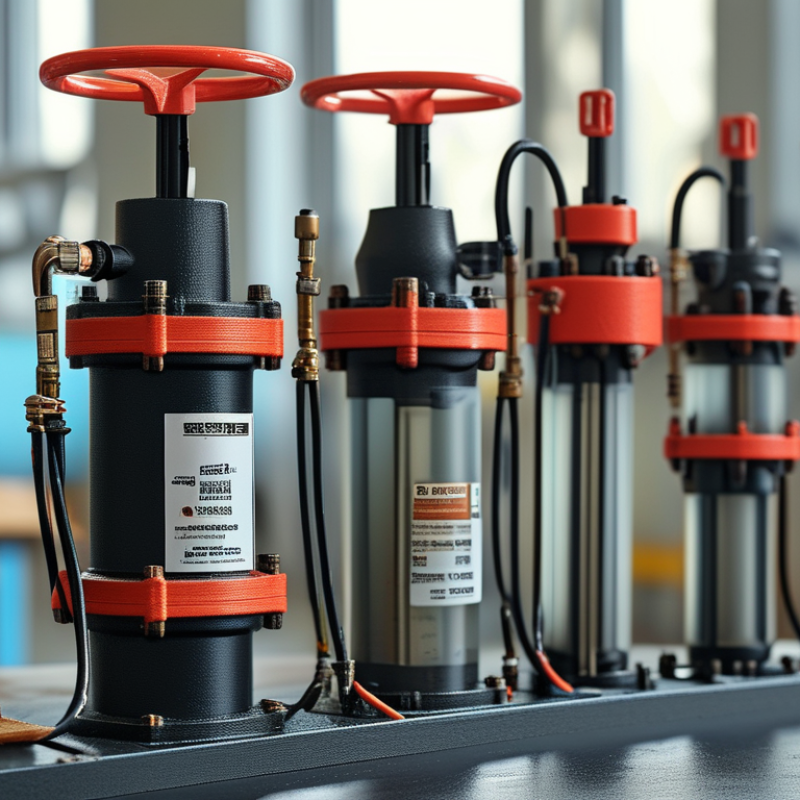
Micro diaphragm pumps play a crucial role in various applications. They are compact, lightweight, and efficient. Understanding their basics is essential for making an informed choice. These pumps operate by creating a vacuum, which then draws in and expels liquids or gases through a diaphragm's movement. They are widely used in medical devices, inkjet printers, and lab equipment. According to the Research and Markets report, the global market for diaphragm pumps is projected to reach $5.2 billion by 2026.
When selecting a micro diaphragm pump, consider flow rate, pressure, and material compatibility. Pumps often have flow rates ranging from 1 to 100 liters per hour. The pressure can vary significantly, which can influence performance. It's important to evaluate your specific application needs. For instance, a pump used in a medical device must meet stringent health standards. A lack of proper material selection may lead to contamination or pump failure.
The durability and lifespan of these pumps can vary. They typically last between 1,000 to 10,000 hours. Factors such as operating temperature and fluid type affect longevity. It's also worth noting that sometimes users may overlook maintenance, leading to performance issues. Regular checks can prevent premature pump failure and ensure consistent operation, which is essential in critical applications.
Micro Diaphragm Pump Specifications Comparison
Key Factors to Consider When Choosing a Micro Diaphragm Pump
Choosing the right micro diaphragm pump involves various essential considerations. First, evaluate the operating pressure range. According to industry reports, pumps with a pressure range of 0.5 to 30 psi serve broad applications effectively. Selecting a pump that meets your specific pressure needs prevents underperformance.
Next, consider the pump's material compatibility. Many fluids require pumps made of resistant materials to prevent corrosion. Using incompatible materials can lead to pump failure. Research showed that 25% of diaphragm pumps fail due to material mismatch. Pay attention to the fluid your pump will handle and ensure compatibility.
Efficiency is another critical factor. Look for pumps with higher flow rates and lower power consumption. Data from the International Society of Automation indicates that an efficient pump can save up to 15% in energy costs annually.
Remember to assess the size and weight of the pump. Compact models are often easier to install in tight spaces. However, smaller pumps may sacrifice power or durability. Consider your installation environment carefully.
Choose wisely, as the wrong pump can lead to frequent maintenance. Reflect on the specific demands of your applications before making a decision. Continue to evaluate industry trends and innovations to ensure your pump choice remains relevant.
Exploring Different Applications for Micro Diaphragm Pumps
Micro diaphragm pumps are essential in various applications across industries. They offer precise fluid handling capabilities, making them suitable for laboratory, medical, and environmental uses. In laboratories, these pumps handle delicate fluids with accuracy, essential for experiments that require strict control. A report from the Technical University of Munich emphasized that micro diaphragm pumps can operate effectively with flow rates as low as 1 mL/min, highlighting their versatility.
In medical applications, micro diaphragm pumps play a crucial role. They frequently assist in drug delivery systems, ensuring consistent and reliable dosing. According to a market research report by Grand View Research, the global medical diaphragm pump market is expected to reach USD 1.9 billion by 2027. This statistic emphasizes their growing importance in healthcare. However, factors such as compatibility with various fluids and the need for maintenance can complicate the selection process for specific applications.
Environmental usages of these pumps are also noteworthy. They are often used in water quality monitoring and air sampling, where sensitivity to changes is vital. Studies show that micro diaphragm pumps can accurately detect pollutants at minimal levels, aiding in early detection efforts. The persistent challenge lies in ensuring that these pumps are reliable under varying environmental conditions. As industries continue to adapt, understanding the specific demands will help refine the choice of the right pump for each unique need.
Comparing Features and Specifications of Popular Models
When selecting a micro diaphragm pump, it's crucial to compare features and specifications of various models. Look closely at flow rate, pressure, and power consumption. A higher flow rate usually indicates better performance, but not always. Sometimes, lower rates can be more efficient for specific tasks. When assessing pressure, remember that your application dictates the required levels. Excessive pressure could lead to equipment failure.
Consider the size and weight of the diaphragm pump. Compact models are easier to install and transport. However, don’t overlook noise levels. Some pumps can be surprisingly loud, which may not be suitable for quieter environments. Also, check the materials used in the pump's construction. Certain materials offer better resistance to corrosion and chemicals, impacting long-term reliability.
It’s also beneficial to evaluate user reviews. Real-world experiences provide insight that specifications can't. Users often highlight issues with maintenance and reliability. Pay attention to how often pumps need servicing. Sometimes, a more expensive model offers better longevity, reducing overall costs. Balancing these factors will help you choose the right micro diaphragm pump for your needs.
How to Choose the Best Micro Diaphragm Pump for Your Needs? - Comparing Features and Specifications of Popular Models
| Model |
Max Flow Rate (L/min) |
Max Pressure (psi) |
Power Consumption (W) |
Weight (kg) |
Noise Level (dB) |
| Model A |
2.5 |
30 |
12 |
1.0 |
60 |
| Model B |
3.0 |
25 |
15 |
1.2 |
65 |
| Model C |
1.8 |
35 |
10 |
0.8 |
58 |
| Model D |
3.5 |
20 |
20 |
1.5 |
70 |
Maintenance Tips for Optimal Performance of Micro Diaphragm Pumps
Micro diaphragm pumps require regular maintenance to ensure optimal performance. One core aspect is keeping the diaphragm and valves clean. Contaminants can lead to reduced efficiency. According to a study by the American Society of Mechanical Engineers, even minor blockages can decrease flow rates by up to 30%. Routine inspection and cleaning extend the pump's lifespan and maintain pressure consistency.
Lubrication is another critical maintenance tip. Proper lubrication minimizes wear and tear on moving parts. A report by the International Society for Automation indicates that 15% of pump failures result from inadequate lubrication practices. Regularly check lubricant levels and replace old lubricants with suitable alternatives to prevent operational failures.
Sealing components must also be examined regularly. Damaged seals can cause leaks, resulting in poor performance. Keeping an eye on these parts can mitigate the risk of costly replacements. Regular maintenance checks can be easily integrated into a system's operational schedule. Ignoring these details often leads to unexpected downtime, which can be costly.