How to Choose the Best Bathroom Floor Drain for Your Needs?
Choosing the right Bathroom Floor Drain is vital for effective water management. A good drain prevents flooding and maintains hygiene. It can also impact the overall look of your bathroom.
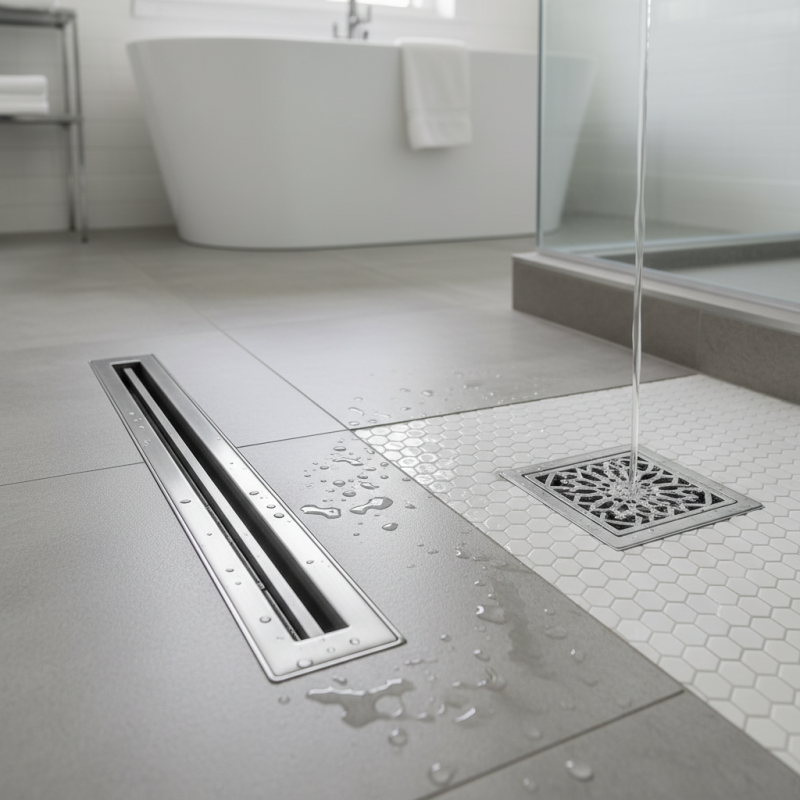
Consider the size and design of your Bathroom Floor Drain. Different styles exist, and each serves a specific function. Common types include linear and point drains. Your preference might clash with the installation requirements.
Researching materials is equally important. Options range from stainless steel to plastic. Each material has pros and cons regarding durability and maintenance. An informed choice can make a long-term difference. When selecting, think about both form and function.
Understanding Different Types of Bathroom Floor Drains Available
When choosing a bathroom floor drain, understanding the types available is crucial. A linear drain is sleek and can fit into modern designs. It allows for better water flow and is easier to clean. These drains run along the wall or floor and can handle larger volumes of water effectively.
Traditional point drains are common too. They sit in the center of the shower floor, collecting water from all directions. While they are less visually appealing, they can fit well in standard bathroom designs. However, users may find them clogging more often, leading to maintenance issues.
Not all drains are created equal. Some are designed for specific types of flooring. Consider durability and material. Stainless steel offers longevity but may require regular polishing. Cast iron drains are strong but can rust over time. Finding the right balance between style and functionality is essential. Ultimately, choosing a drain can influence daily routines and overall bathroom aesthetics.
Factors to Consider When Choosing a Bathroom Floor Drain
Choosing the right bathroom floor drain is essential for functionality and style. It's important to consider several factors. Drain size plays a critical role. A drain that is too small may clog easily, while a large one can disrupt the aesthetics of your bathroom floor.
Material is another important consideration. Stainless steel drains are durable and resistant to rust. On the contrary, plastic options can be cost-effective but may not withstand heavy use. Think about installation. Some drains require professional help, which can increase your overall cost. A DIY installation might save money but could lead to errors.
Water flow is also a crucial factor. Ensure the drain you choose can handle the water volume in your bathroom. If you take long showers, a larger capacity may be necessary. Aesthetic appeal shouldn't be ignored either. A mismatched drain can detract from your bathroom's overall look. Balancing these elements can be challenging, but it's necessary for optimal performance and style. Always reflect on how each choice affects your daily life.
Assessing Drain Size and Compatibility with Your Bathroom
Choosing the right bathroom floor drain starts with understanding drain size and compatibility. Measuring your existing plumbing is crucial. Ensure the drain fits into the intended space without obstructing pipes. A mismatch can lead to leaks or drainage issues.
Consider the type of flooring in your bathroom. Different materials may require specific drain designs. For instance, tile flooring often allows for a wider variety of drain styles. Additionally, look at the drain’s capacity. A larger drain can handle more water but may need more space. Your bathroom's configuration may limit where you can place a drain.
Not every drain will suit your needs. Some designs may not complement your bathroom style. There might be aesthetic concerns as well. A drain that looks great might not function as expected. Balancing form and function is key. Take time to evaluate your options. Consult with a professional if needed.
How to Choose the Best Bathroom Floor Drain for Your Needs? - Assessing Drain Size and Compatibility with Your Bathroom
| Drain Type | Size (inches) | Material | Compatibility | Flow Rate (GPM) |
| Linear Drain | 48 | Stainless Steel | Walk-in Shower | 20 |
| Square Drain | 4 | PVC | Bathtub | 10 |
| Round Drain | 3 | Brass | Floor | 15 |
| Trench Drain | 36 | Composite | Large Bathrooms | 30 |
| Slot Drain | 48 | Aluminum | Modern Bathrooms | 25 |
Materials and Durability: Key Elements in Drain Selection
When selecting a bathroom floor drain, materials and durability play crucial roles. Stainless steel is often favored for its strength and resistance to rust. A study from the Plumbing Manufacturers International notes that nearly 60% of homeowners prioritize durable materials for plumbing fixtures.
Plastic drains also have their advantages. They are lightweight and cost-effective. However, they may not withstand heavy foot traffic as well as metal options. There’s a noticeable trade-off between cost and longevity. Choosing a drain made from premium materials could save you money in the long run. Repairs and replacements can be costly.
Durability depends not only on the material but also on the design. A well-engineered drain will not only function properly but also resist the wear and tear often seen in bathrooms. Poorly designed drains can lead to clogs and leaks, costing homeowners significant time and expense. It's essential to consider both the initial investment and the potential long-term maintenance costs when making your decision.
Installation Methods and Maintenance for Optimal Functionality
Installing a bathroom floor drain correctly is vital for maintaining proper drainage and preventing water damage. Start by selecting the appropriate type of drain. Different designs serve various needs. Some may work better for tile floors, while others suit vinyl surfaces. It's crucial to match the drain with your flooring material to ensure optimal functionality.
Installation methods can vary. A common technique involves securing the drain onto the subfloor. Make sure to create a slight slope towards the drain. This aids in effective water flow. Sealing around the drain is equally important. Use waterproof materials to prevent leaks, which can lead to costly repairs later.
Regular maintenance is key. Cleaning the drain regularly prevents blockages. Check for debris accumulation. A simple inspection every few months can save time and money. Reflecting on your installation process is always beneficial. Were there any challenges faced? Understanding these issues can improve future installations.