How to Choose the Right Pump Technology for Your Needs?
Selecting the right pump technology is crucial for efficient operations across various industries. According to a recent report by the Hydraulic Institute, approximately 20% of energy consumption in industrial settings is attributed to pump systems. With such a significant impact, one must carefully evaluate different pump technologies before making a decision.
In addition to energy efficiency, maintenance costs and reliability are key factors. The global pump market is expected to reach $80 billion by 2027, emphasizing the importance of informed choices. Many businesses face challenges in optimizing their pumping systems. Common pitfalls include underestimating the specific application or neglecting to assess long-term goals.
Understanding distinct pump technologies plays a vital role in maximizing productivity and efficiency. Choosing the wrong type can lead to unnecessary operational challenges and additional costs. It's essential to consult with experts and rely on authoritative resources. Making informed decisions can significantly affect overall performance and sustainability.
Understanding Different Types of Pump Technologies Available
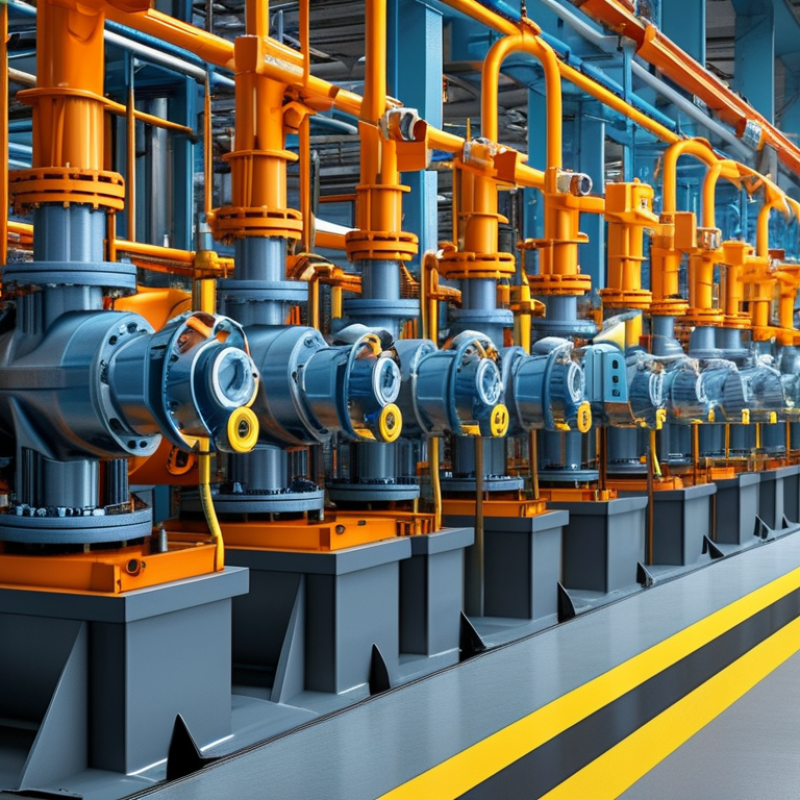
Choosing the right pump technology can be challenging. A variety of pump types exist, each designed for specific applications. Centrifugal pumps dominate the market, accounting for about 80% of all pump sales, according to the Hydraulic Institute. These pumps are known for their efficiency and versatility. They work well in high-flow situations and are often used in water supply applications.
Positive displacement pumps, while less common, are crucial for handling viscous fluids. They provide a consistent flow regardless of pressure changes. This technology is preferred in industries like oil and gas, where high-viscosity liquids are commonplace. Recent studies show that the demand for positive displacement pumps is expected to grow by 4% annually.
When selecting pump technology, consider the specific requirements of your application. Factors such as fluid type, viscosity, and flow rate must be assessed. Many engineers face challenges when determining the right choice, as not all pump types excel in every scenario. Companies should invest in detailed performance analysis to avoid costly mistakes and ensure optimal efficiency. Balancing these variables is vital for long-term operational success.
Evaluating Specific Application Requirements for Pump Selection
When selecting the right pump technology, it's crucial to evaluate specific application requirements. Every application has distinct needs. Consider the fluid characteristics, including viscosity and temperature. These factors can greatly impact performance and efficiency. A thorough understanding of these elements helps in making an informed choice.
It is also essential to assess the operating environment. Factors such as space limitations, noise regulations, and ambient temperature can influence pump selection. For instance, some pumps are better suited for confined spaces. Others may not perform well in extreme conditions.
Tips: Paying attention to energy consumption is key. More efficient pumps save money in the long run. Consider maintenance needs as well. A pump that requires frequent service can lead to additional costs.
Evaluate compatibility with existing systems. Choosing a pump that integrates well with current setups minimizes installation headaches. Clarity in requirements can lead to a more effective selection process. Every detail matters in finding the right pump for your needs.
How to Choose the Right Pump Technology for Your Needs?
| Pump Technology |
Application |
Flow Rate (GPM) |
Head Pressure (ft) |
Efficiency (%) |
Cost ($) |
| Centrifugal Pump |
Water Supply |
50 |
40 |
70 |
1200 |
| Positive Displacement Pump |
Chemical Transfer |
30 |
60 |
85 |
1500 |
| Submersible Pump |
Wastewater |
40 |
50 |
75 |
800 |
| Diaphragm Pump |
Food Processing |
20 |
30 |
90 |
1600 |
Comparing Efficiency and Performance Metrics of Pumps
When evaluating pump technologies, efficiency and performance metrics are crucial. Understanding these indicators can lead to better decision-making. For instance, efficiency ratings reflect how well a pump converts input energy into hydraulic energy. A pump with a high efficiency means lower operational costs. However, efficiency alone may not tell the whole story.
Consider flow rates and head. These metrics illustrate the actual output of the pump under specific conditions. Sometimes, a high-efficiency pump struggles in low-flow situations. This discrepancy can lead to operational inefficiencies, potentially negating any efficiency gains. It's essential to analyze how the pump fits into your system's dynamics.
Failure to assess the right performance metrics may result in poor selections. Seeking expert guidance can help avoid common pitfalls. Try to gather data from reliable sources or consult industry professionals. They can offer insights based on experience and technical knowledge, ensuring you choose a pump that truly meets your operational needs.
Assessing Maintenance and Reliability Factors in Pump Technologies
When selecting pump technology, maintenance and reliability are crucial factors. An effective pump should operate with minimal downtime. Regular inspections can prevent major issues, yet they require dedicated resources. This maintenance routine may seem tedious, but it is essential for long-term performance.
Reliability often correlates with the choice of materials used in pump construction. For example, corrosion-resistant materials can extend the pump’s lifespan. However, these materials may be more costly upfront. This trade-off between initial investment and long-term savings needs careful consideration. Identifying your specific application helps in making these decisions.
User feedback can provide valuable insights into the performance of various technologies. While user experiences are subjective, they highlight real-world challenges. Observing these experiences can lead to better-informed choices. The journey of selecting the right pump involves ongoing reflection and adjustment. Balancing reliability, maintenance, and cost will ultimately determine the effectiveness of your pump technology.
Budget Considerations and Cost-effectiveness of Pump Options
When selecting a pump, budget is crucial. The initial cost is often just one of many expenses. Consider installation, maintenance, and energy consumption. Some low-cost options may incur higher operational costs over time. This could lead to unexpected expenses down the line. For example, a cheaper pump might require frequent repairs or replacements, negating its initial savings.
Determining long-term cost-effectiveness is essential. Look for pumps with high efficiency. They may have a higher upfront price but can save significantly on energy. Performance is key. A pump that matches your specific needs will run smoothly and reduce wear and tear. An ill-suited pump can create inefficiencies. This could lead to increased energy bills and potential downtime.
Finding the right balance requires thoughtful consideration. Understand your application and any unique demands. A knowledgeable consultant can guide you in making a wise choice. However, relying solely on expert opinions may not always be perfect. It's important to weigh all options and reflect on feedback from previous users. This will help you avoid any costly missteps in your purchasing decision.