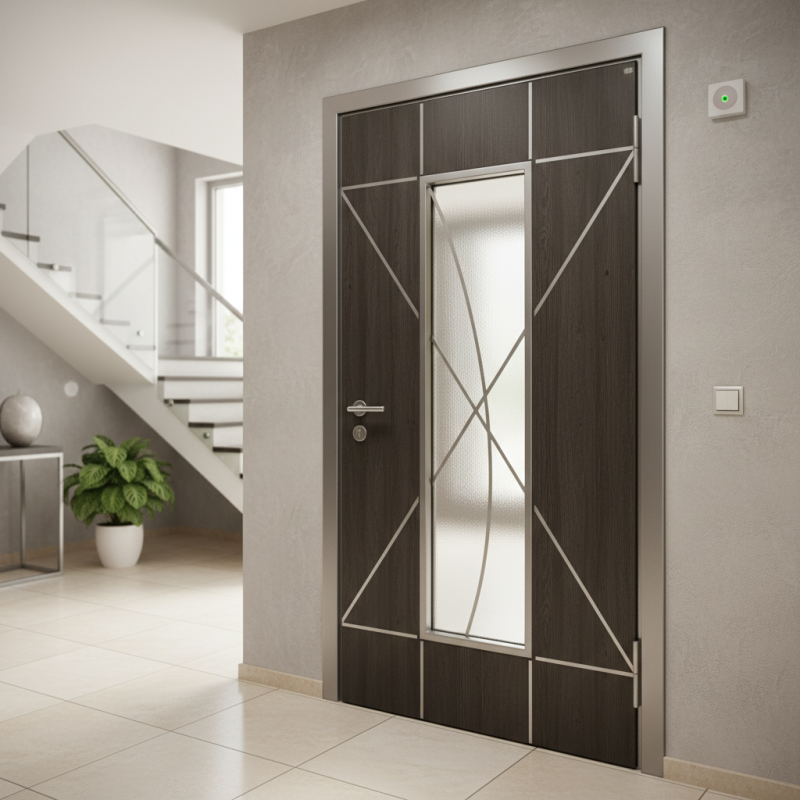
How to Choose the Right Composite Fireproof Doors for Your Needs?
Choosing the right Composite Fireproof Doors is crucial for safety and compliance. These doors not only protect lives but also safeguard property. They come in various styles, materials, and fire ratings. Selecting the ideal option can feel overwhelming.
Consider your specific needs. Are you protecting a commercial space or a residential unit? Think about aesthetics and functionality. Composite Fireproof Doors can blend seamlessly with your design. They also offer enhanced durability and better insulation.
It's essential to consult professionals. Their expertise can guide you toward the best choice. Reflect on your budget and fire safety regulations. In the end, making an informed decision can save you from costly mistakes and enhance security.
Factors to Consider When Selecting Fireproof Composite Doors
When selecting fireproof composite doors, several critical factors deserve consideration. Fire rating is perhaps the most important. According to the National Institute of Standards and Technology, a door's fire rating indicates how long it can withstand fire exposure. Common ratings include 20, 30, and 60 minutes. Choose a rating that aligns with your safety needs and local building codes.
Another factor is the material composition. Fireproof composite doors often combine steel, fiberglass, and special fire-resistant materials. These elements enhance durability and thermal insulation. A study by the Fire Safety Research Institute suggests that proper insulation can reduce heat transfer, improving the door’s effectiveness. Consider how each material contributes to safety and energy efficiency.
Aesthetics can also influence your choice, despite their primary function. Many composite doors come in various styles and finishes, allowing for integration into your overall design. However, balancing style and safety is crucial. Sometimes, doors marketed for their looks may compromise on fire resistance. Always verify the specifications and request performance data. Take the time to research and reflect on all these factors before making a decision.
Understanding Fire Resistance Ratings and Certifications
When choosing composite fireproof doors, understanding the fire resistance ratings is crucial. These ratings indicate how long a door can withstand fire. A standard rating may range from 20 minutes to 3 hours. The longer the rating, the more reliable the door will be during a fire event. Look for doors tested by accredited laboratories. They provide assurance of compliance with safety standards.
Certifications matter. They ensure that a product meets specific fire safety performance criteria. A door with a positive certification has undergone rigorous testing. This adds a layer of confidence in its protective capabilities. However, not all doors are created equal. Some may have misleading certifications.
Installation plays a vital role in effectiveness as well. A well-rated door needs proper installation to function correctly. Seek professionals who understand fire door requirements. Awareness of maintenance is crucial, too. Regular checks can prevent potential issues. These aspects illustrate that while choosing the right door is significant, ongoing evaluation and professional input remain necessary.
Comparing Different Materials Used in Composite Doors
When selecting composite fireproof doors, the materials play a crucial role. Composite doors typically combine different elements—wood, steel, and fiberglass—offering unique benefits. According to the Fire Protection Research Foundation, composite doors with steel reinforcements provide higher resistance to fire and impact. They can withstand temperatures exceeding 1,200°F (about 650°C) for over 90 minutes, making them ideal for commercial spaces.
Fiberglass, another common material, offers excellent thermal insulation. It can help maintain indoor temperatures while preventing heat transfer during a fire. The National Fire Protection Association reports that fiberglass composite doors can reduce energy costs by 20% compared to conventional wooden doors. Yet, the durability of fiberglass can vary based on the manufacturer, which sometimes leads to unforeseen issues.
Each composite material also presents its own challenges. While steel doors are robust, they can rust over time if not properly maintained. On the other hand, wood composites might not perform well in high-humidity environments. It's essential to weigh these factors against your specific needs. Understanding both the advantages and drawbacks ensures that you choose a fireproof door that aligns with your safety requirements and budget.
Evaluating the Cost-Effectiveness of Fireproof Doors
When selecting fireproof doors, cost-effectiveness plays a crucial role. High-quality composite fireproof doors provide better thermal insulation and fire resistance. These doors save money in the long run. Initial investment might seem steep, but they reduce potential fire damage costs. Insurance premiums can also lower with their installation.
Evaluating the longevity of fireproof doors is essential. Many options claim durability but often fall short. Real-life performance can vary based on materials and installation quality. Understanding these nuances helps make informed decisions. Consider maintenance costs as well. Regular checks and upkeep are necessary for optimal function, potentially adding to overall expenses.
Another aspect to reflect on is the balance between protection and aesthetics. Fireproof doors come in various designs but may not always match your vision. Prioritizing safety while compromising on style can feel challenging. It's essential to align your choices with both functional requirements and an inviting appearance. This balance can lead to a more satisfying investment.
How to Choose the Right Composite Fireproof Doors for Your Needs? - Evaluating the Cost-Effectiveness of Fireproof Doors | Feature | Description | Average Cost ($) | Durability (Years) | Fire Rating (Hours) |
| Material Type | Composite Door with Steel Reinforcement | 600 | 30 | 2 |
| Insulation | High-Performance Thermal Insulation | 800 | 35 | 1.5 |
| Design Options | Various Customizable Designs Available | 700 | 25 | 2 |
| Maintenance | Low Maintenance Required | 500 | 40 | 1 |
| Warranty | Limited Lifetime Warranty | 750 | Lifetime | 3 |
Importance of Professional Installation and Maintenance for Safety
When selecting composite fireproof doors, professional installation is crucial for ensuring safety. These doors are designed to withstand extreme temperatures, but their effectiveness relies heavily on how well they are installed. A poorly fitted door could allow smoke and heat to infiltrate, undermining its fire-resistance features. Proper alignment and secure fittings are essential, as even small gaps can pose significant risks in an emergency.
Routine maintenance cannot be overlooked. Regular inspections help identify wear and tear, ensuring that the doors function as intended. Fireproof doors can become damaged over time; hinges may rust, seals might break, or the door material may degrade. Neglecting these issues can lead to dangerous situations. Engaging professionals who understand fire safety regulations brings peace of mind. They can provide thorough assessments and conduct necessary repairs.
Investing in high-quality installation and maintenance is not merely an option; it’s a necessity for safety. While one might think regular checks are cumbersome, they are vital for avoiding severe consequences. A door that isn't properly maintained could jeopardize entire buildings. With the right approach and knowledge, the risks can be minimized significantly.