How to Choose the Best Multi Parameter Water Quality Analyzer at Canton Fair?
Choosing the best multi parameter water quality analyzer is crucial for ensuring accurate environmental assessments. The global water quality monitoring market is projected to reach USD 4.35 billion by 2026, emphasizing the growing importance of these analyzers. As industries increasingly depend on precise data, selecting the right equipment becomes vital.
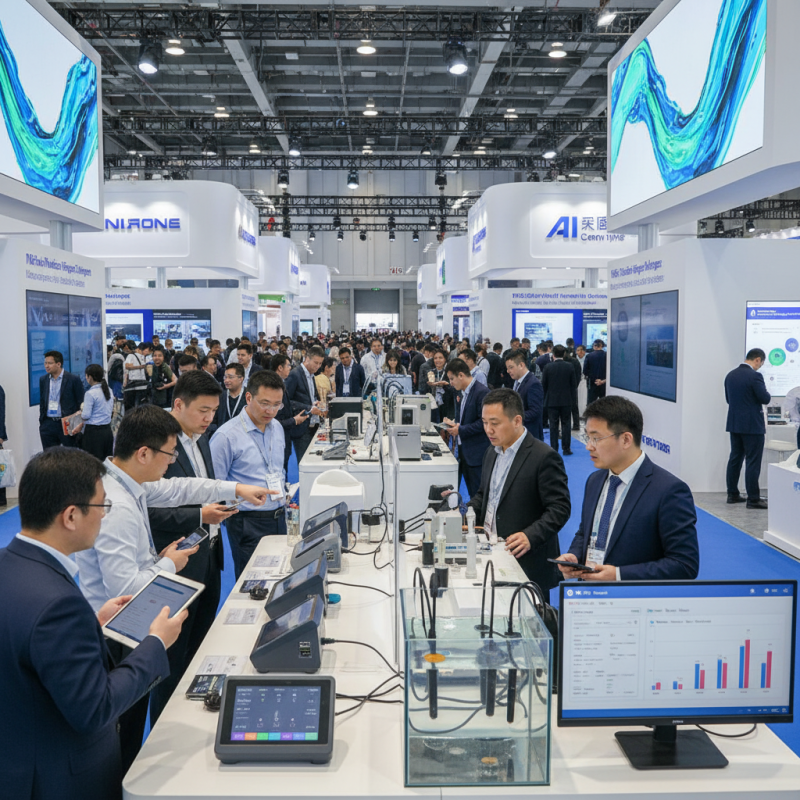
At the Canton Fair, numerous suppliers showcase their offerings. The introduction of AI features enhances the search process, enabling buyers to quickly find certified options. However, navigating through a large exhibition space can be overwhelming. Buyers might overlook essential features that differentiate analyzers, such as calibration methods and sensor types.
Understanding the specific needs of your application is key. The right multi parameter water quality analyzer should not only meet regulatory standards but also provide reliable data. Reflections on past purchases can guide better decision-making. Investing time in research can prevent costly choices in the long run.
Understanding the Importance of Multi-Parameter Water Quality Analyzers
Understanding water quality is vital for health and environmental safety. Multi-parameter water quality analyzers provide crucial insights into various water conditions. These devices measure parameters like pH, turbidity, and dissolved oxygen. Accurate readings help industries monitor water pollution and ensure compliance.
Choosing the right analyzer at trade events like the Canton Fair can be daunting. Buyers should consider the range of parameters they need. Some analyzers excel in specific measurements, while others cover a broader spectrum. It is essential to reflect on your specific requirements before making a choice.
The usability of the analyzer matters too. User-friendly devices offer quick results and easy data interpretation. However, some models are complicated and require extensive training. Testing equipment in real-life scenarios can uncover hidden issues. Avoiding these pitfalls ensures you choose an effective tool for your needs.
Water Quality Parameters Comparison
Key Technical Specifications to Consider When Choosing a Water Quality Analyzer
When choosing a multi-parameter water quality analyzer, focus on key technical specifications. Accuracy is crucial. Look for devices that offer precise readings for parameters like pH, turbidity, and conductivity. A small deviation in readings can lead to significant errors in water quality assessment.
Consider the user interface and ease of operation. Intuitive controls save time and reduce mistakes. A device with clear display features can make data interpretation simpler. Portability may also be essential, especially if measurements need to be taken at various locations. Some analyzers are lightweight and battery-operated, making them practical for fieldwork.
Data logging capability is another feature worth considering. An analyzer that can store multiple readings will facilitate better analysis later. Check for connectivity options too. Wireless features enable easy data transfer to computers or smartphones. This can enhance data management but may introduce connectivity issues that require troubleshooting.
Comparative Analysis of Leading Brands in Multi-Parameter Water Analyzers
When attending the Canton Fair, understanding the leading brands in multi-parameter water quality analyzers can be overwhelming. Each brand offers different features and specifications. Look closely at their calibration methods, response times, and user interface. Consider how intuitive the operating system is. You might find some brands have complex menu systems, which could lead to confusion.
Performance is a vital factor to consider. Some analyzers excel in measuring specific parameters but struggle with others. Take a moment to read user reviews. They often highlight real-world issues, like sensor drift or maintenance challenges. You may realize that relying on initial impressions can be misleading.
Price is another crucial element in your decision-making process. While some models appear cost-effective, hidden costs may arise later. Check if they require specialized reagents or frequent servicing. Investing in a water quality analyzer is significant, so weigh the pros and cons carefully. Your choice should align with your specific needs and budget constraints.
Evaluating Calibration Methods for Accurate Water Quality Measurements
When selecting a multi-parameter water quality analyzer, the calibration method is crucial. Accurate measurements depend significantly on how the device is calibrated. Different methods can yield varying results. Some devices may need regular recalibration. Be aware of how frequently you need to calibrate. This helps maintain measurement accuracy over time.
Tips: Always check your analyzer’s documentation for calibration procedures. Understand the method recommended by the manufacturer. Test the calibration against known standards.
Consider environmental factors too. Temperature and pressure can affect readings. A change in these conditions might lead to inaccuracies. Regularly verifying the calibration under different conditions is vital. It ensures your analyzer is reliable.
Tips: Run checks in various environments before important measurements. Document any variations you notice. Analyzing these could reveal patterns that need addressing. Calibration isn't a one-time task; it's an ongoing responsibility.
How to Choose the Best Multi Parameter Water Quality Analyzer at Canton Fair?
| Parameter | Measurement Range | Calibration Method | Accuracy | Price Range (USD) |
| pH | 0 - 14 | Two-point Calibration | ±0.1 | 150 - 500 |
| Dissolved Oxygen | 0 - 20 mg/L | Factory Calibration | ±0.2 mg/L | 200 - 600 |
| Turbidity | 0 - 1000 NTU | Single-point Calibration | ±2 NTU | 100 - 400 |
| Electrical Conductivity | 0 - 10 mS/cm | Multi-point Calibration | ±0.01 mS/cm | 150 - 450 |
| Nitrate | 0 - 100 mg/L | Standard Solution Calibration | ±1 mg/L | 250 - 550 |
Assessing User Needs and Applications at Canton Fair for Optimal Selection
When attending the Canton Fair, discerning the right multi-parameter water quality analyzer is vital. Begin by assessing your specific user needs. Questions to consider include: What parameters are most important? Do you need high accuracy or is ease of use more critical? These requirements will shape your choices.
Different applications demand different features. If you work in industrial settings, robustness is key. Portable models may serve best for field studies. User reviews can provide insight into functionality and performance. Take time to interact with various models at the fair.
Not every analyzer will fit every scenario. Some may have too many functions that complicate simple tasks. Think about what you truly need. It’s easy to get swayed by flashy displays or marketing. Reflect on past experiences with water quality testing. What worked? What didn’t? Identifying these aspects will guide you in making a smarter selection.