How to Choose the Best Double-Cavity Aluminum Profile for Your Needs?
Choosing the best Double-Cavity Aluminum Profile for your specific needs is a crucial task. The demands for lightweight yet robust materials in architecture and manufacturing continue to rise. According to a report by the Aluminum Association, the double-cavity design offers extra insulation and structural integrity, making it a popular choice in energy-efficient buildings.
Industry expert Dr. Emily Chen states, “Selecting the right profile can significantly impact energy savings and overall performance.” Her insight highlights the importance of making informed choices. However, many buyers struggle to understand the variety of options available and their implications.
Understanding the features of the Double-Cavity Aluminum Profile is essential but not always straightforward. Many profiles may appear similar. The right selection should consider factors like thermal performance, aesthetic appeal, and practical applications. Thoughtful selection can mitigate future challenges, such as inefficiency and increased costs.
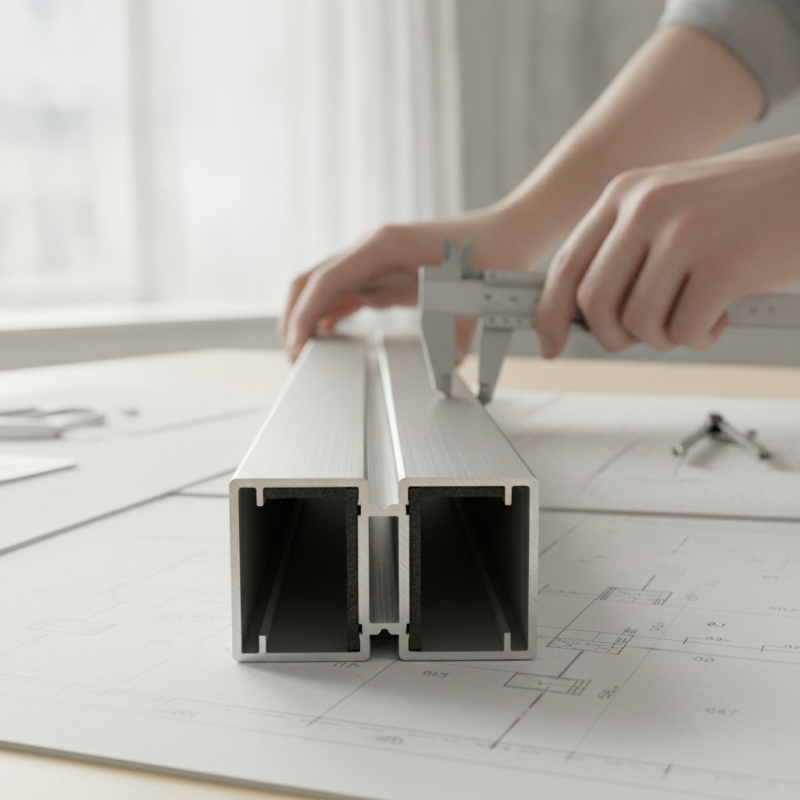
Understanding Double-Cavity Aluminum Profiles and Their Applications
Double-cavity aluminum profiles are becoming increasingly popular in various industries. This design provides enhanced structural strength while remaining lightweight. Their unique shape makes them suitable for applications such as sliding doors, windows, and partitions. They also facilitate better insulation, reducing energy costs.
Choosing the right double-cavity profile can be challenging. Consider the specific requirements of your project. Different profiles offer varying thermal properties and durability. Evaluate the environmental conditions they will face. For instance, if a profile is exposed to harsh weather, it should be robust and corrosion-resistant.
Not all manufacturers are equal, and that can lead to inconsistent quality. Conduct thorough research on suppliers. Look for those with a solid reputation and expertise in aluminum products. It’s essential to ensure that the profiles meet industry standards. Ask for samples and assess their quality. This step is essential, as not every double-cavity profile will fulfill your needs effectively.
Key Factors to Consider When Selecting Aluminum Profiles
Choosing the right double-cavity aluminum profile requires careful consideration of several factors. One crucial aspect is the material's strength-to-weight ratio. According to the Aluminum Association, aluminum can be 1/3 the weight of steel but maintains comparable strength. This property is vital for applications where weight reduction is critical, such as in aerospace and automotive sectors.
Another key factor is corrosion resistance. Aluminum alloys often exhibit excellent resistance to oxidation, making them suitable for outdoor and marine applications. A report by the International Aluminum Institute shows that anodized aluminum can last over 30 years in harsh environments. However, not all aluminum profiles provide the same level of durability. Some may require additional surface treatments to enhance their lifespan.
It's also essential to focus on the profile's thermal performance. Understanding thermal conductivity is crucial, especially for applications in construction and energy efficiency. The thermal conductivity of aluminum ranges from 120 to 250 W/mK, depending on the alloy. This variability can affect energy savings in buildings or machinery. Selecting a profile with inadequate thermal properties can lead to inefficient heat management. Always request detailed specifications before making a final decision.
Comparison of Different Double-Cavity Aluminum Profiles
Comparative Analysis of Different Aluminum Alloy Grades
When selecting a double-cavity aluminum profile, understanding different aluminum alloy grades is crucial. Aluminum alloys are typically categorized based on their main alloying elements. For instance, the 6000 series is known for its excellent corrosion resistance and weldability. In contrast, the 7000 series is popular for its high strength but is less resistant to corrosion.
A recent industry report indicated that over 70% of manufacturers prefer the 6000 series for structural applications due to its balance of strength and corrosion resistance. This has made it a go-to choice for construction and automotive sectors. However, the 7000 series, which contains zinc as its primary alloying element, delivers superior strength but at a cost. It may sacrifice some workability, making it less versatile.
**Tips:** Consider your application’s environment. If it’s prone to high humidity, 6000 series alloys may be better. Evaluate your needs before deciding on a profile.
Choosing the right alloy demands careful analysis. Some professionals overlook the impact strength characteristics of alloys. An alloy might seem ideal but could fail under specific conditions. Always test different profiles before making a commitment. Make informed decisions with hands-on experience and material testing.
Assessing Quality Standards and Certifications for Aluminum Profiles
When assessing aluminum profiles, quality standards are crucial. Certifications serve as a guide to ensure you select a reliable option. Look for profiles that meet international standards like ISO and ASTM. These standards dictate the manufacturing processes and materials used, providing a baseline for quality.
Quality is not just about certifications. Inspect the material's thickness, surface treatment, and finishing. A well-finished profile resists corrosion and enhances durability. You might find profiles with varied anodizing options, which can impact both aesthetics and longevity.
Consider the source of your aluminum profiles. Reputable suppliers offer transparency and traceability in their products. This reduces risks associated with inferior materials. Remember, the perfect choice may require trial and error. Pay attention to feedback from actual users. Real-world performance can often differ from specifications.
Customizing Your Double-Cavity Aluminum Profile for Specific Projects
Customizing a double-cavity aluminum profile for specific projects requires a clear understanding of your needs. The selection process begins by evaluating the intended application. Different projects may demand unique shapes, sizes, and strengths. Tailor the profile to fit factors like weight, thermal performance, and aesthetic preferences.
According to industry reports, over 70% of construction professionals prefer custom profiles. They recognize the importance of optimizing materials for energy efficiency. Proper specifications can reduce material waste by 20%. Informed choices take into account manufacturing capabilities and project deadlines. Working closely with suppliers enables you to explore viable customization options.
Reflecting on past projects highlights common pitfalls. Some developers prioritize cost over quality, compromising strength or durability. An ill-suited profile can lead to failures or costly delays. Understanding your project’s requirements is essential to prevent these issues. Adjustments after production can be time-consuming and expensive. Make the commitment to gather accurate data, ensuring your design aligns with functional demands and industry standards.