How to Choose a 29inch MTB Electric Bike?
Choosing a 29inch MTB electric bike is not simply a matter of selecting the largest wheels. It involves fit, motor performance, battery range, suspension control, and trail conditions. A 29-inch wheel usually rolls more smoothly over roots, rocks, and loose ground. It can also maintain momentum on long climbs. However, larger wheels may feel slower in tight corners. Smaller riders may find the frame less agile. This is where many buying guides become too confident.
Market evidence shows strong growth, but the numbers require caution. Fortune Business Insights valued the global electric bike market at approximately USD 43.32 billion in 2023. Its report projects continued expansion through 2030. The European Bicycle Industry and Confederation of the European Bicycle Industry also identify electric mountain bikes as an important premium segment. Yet market forecasts measure sales, not real trail satisfaction. That difference matters.
Keith Bontrager’s famous advice remains useful: “Strong, light, cheap: pick two.” The same compromise appears in a 29inch MTB electric bike. A powerful mid-drive motor can improve climbing, but it adds weight and cost. A large battery extends range, but it may make the bike feel heavy during tight, technical riding. Experienced riders should compare torque, battery watt-hours, suspension travel, tire width, and frame reach. New riders should also test stand-over height and braking control. Numbers help. They do not replace a proper trail test.
This guide examines those decisions closely. It considers real riding conditions, published industry data, and practical ownership concerns. The perfect specification does not exist. Your terrain, body size, and riding habits should decide the final choice.
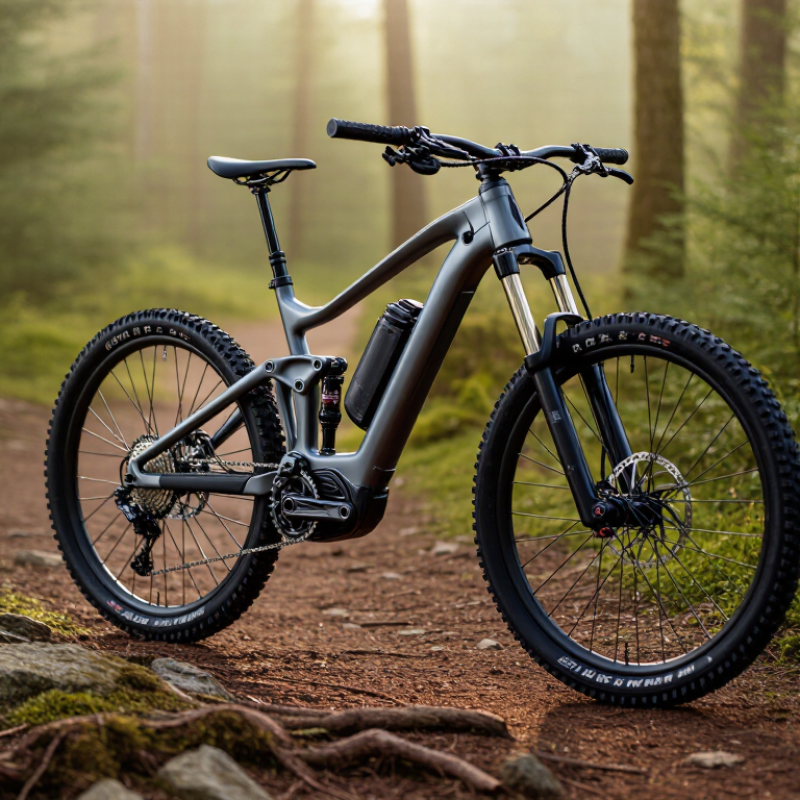
Define 29-Inch MTB Fit: 622 mm Rim Diameter and 2.2–2.6 in Tires
A 29-inch mountain bike wheel uses a rim with a 622 mm bead-seat diameter. That measurement is more precise than the “29-inch” label. The tire sits on this rim, but its width and tread affect the wheel’s actual outside size. Small details matter.
Tires around 2.2 to 2.6 inches wide are common on 29-inch mountain bikes. A 2.2-inch tire may feel quicker on firm trails, while a 2.6-inch tire adds air volume and grip on loose ground. These are tendencies, not guarantees. Tread pattern, pressure, rider weight, and trail conditions also shape handling. I would not choose width by appearance alone.
Check the frame and fork clearance before changing tire size. Leave room for mud and small stones, not just a clean tire spinning in a stand. Also confirm the rim supports the tire’s width; the 622 mm diameter alone does not prove compatibility. Measure with the tire inflated, since labels and real dimensions can differ. Easy to overlook. I once treated the printed width as exact, which was a poor shortcut. Actual fit is the useful test.
Match Motor Output to Terrain: 250 W Legal Limits and 50–85 Nm Torque
Choosing a 29-inch MTB electric bike begins with your terrain, not the wheel size. A 29-inch wheel rolls smoothly over roots and loose gravel, but it can feel slower on tight trails. For flat paths and moderate gradients, a 250 W nominal motor often provides sufficient assistance. However, power limits vary by location, so check current local regulations before purchase. Do not confuse nominal output with short-term peak power.
Torque determines how naturally the bike climbs. Around 50 Nm can feel balanced on paved roads, compact dirt, and gentle forest tracks. Between 70 and 85 Nm, the motor gives stronger support on steep, loose climbs. This extra force helps when carrying water, tools, or a heavier load. Numbers are not everything. A well-tuned torque sensor may feel smoother than a stronger motor with delayed assistance.
Test the bike slowly before judging it. Start on a slope, keep the pedals turning, and notice whether the motor responds without a sudden surge. Check the battery level after repeated climbs, because high torque can reduce range quickly. Tire pressure also changes traction and motor demand. One practical lesson is easy to miss: maximum torque may feel impressive, yet it can make a slippery climb harder to control. I would rather have predictable assistance than unused strength.
Size the Battery by Watt-Hours: Compare 500–750 Wh for Trail Range
For a 29-inch MTB electric bike, compare battery capacity in watt-hours (Wh), not amp-hours alone. Wh equals volts multiplied by amp-hours. A 500 Wh pack stores about 33% less energy than a 750 Wh pack. That difference matters on steep trails, where repeated climbs and high assistance drain power quickly.
A useful road-use reference comes from Cherry, Weinert and Xinmiao’s 2009 study in Transportation Research Part D, which examined electric-bike energy use in China. Its reported consumption is roughly 1.8 kWh per 100 km. At that rate, 500 Wh represents about 28 km and 750 Wh about 42 km.
Treat these as rough comparisons, not trail-range promises: surface, rider weight, temperature, tire pressure and climbing can change consumption substantially. A rocky ascent is not a smooth commute.
Tips: For rolling local trails, 500 Wh may be enough if charging is easy. Choose closer to 750 Wh for longer routes or frequent climbs. Keep a reserve; I would not plan a remote ride around the battery’s best-case estimate. Check the bike’s display after a familiar loop, then adjust your range expectations.
Choose Control and Suspension: 120–160 mm Travel and Class 1–3 Systems
A 29-inch wheel rolls steadily over roots and loose rock, but wheel size cannot replace suitable suspension. For mixed singletrack, 120–140 mm of travel often balances climbing support with control on rough descents. Choose 150–160 mm for repeated drops or steep, broken terrain; expect added weight and a less lively feel uphill. These ranges are starting points, not guarantees. Frame geometry, shock setup, and rider weight matter too.
Class 1 systems provide pedal assistance up to 20 mph; Class 2 adds a throttle, also capped at 20 mph, while Class 3 pedal assistance reaches 28 mph under the common U.S. classification. PeopleForBikes, drawing on NPD market data, reported U.S. e-bike sales grew 240% from 2019 to 2021. More choices do not mean every class suits every trail. Check local trail-access rules before buying, since access can vary by location and class.
Tips: On a test ride, repeat the same rocky section in a seated climb and a standing descent. Notice whether the fork dives under braking or the rear suspension kicks on square edges. Ask a qualified mechanic to set sag for your weight, then reassess after riding. I’d resist choosing the longest travel just because it sounds safer; too much can feel vague on familiar trails.