How to Choose the Right Battery Pump for Your Needs in 2025
In the rapidly evolving landscape of portable power solutions, the selection of the right battery pump has become increasingly crucial for both personal and professional applications in 2025. With advancements in battery technology and the proliferation of various pump models, consumers now have an extensive range of options to choose from. A battery pump not only ensures versatility and ease of use but also provides the convenience of mobility without the constraints of power cords or hydraulic systems.
As we delve into the factors that influence the selection of an ideal battery pump, it is essential to consider what specific needs you aim to fulfill. Whether for household chores like draining water, for outdoor activities, or for industrial projects, understanding the pump's performance specifications, battery capacity, and design features can significantly enhance your experience. By evaluating these aspects systematically, you can make an informed choice that aligns perfectly with your operational demands, ensuring efficiency and reliability wherever your tasks may take you.
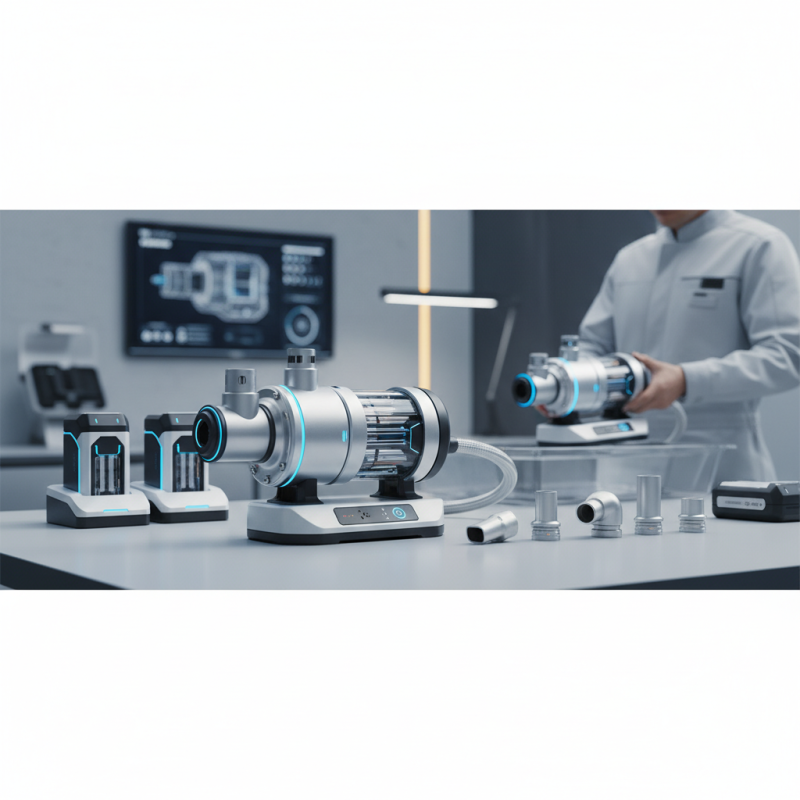
Understanding Battery Pump Types and Their Functions
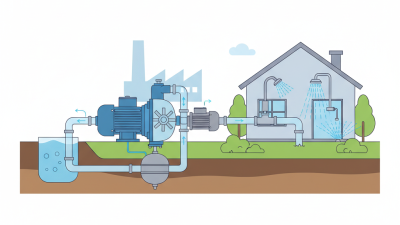
When choosing a battery pump, it’s crucial to understand the various types available and their specific functions. Battery pumps can be broadly categorized into submersible pumps and surface pumps. Submersible pumps are designed to operate when fully submerged in the liquid, making them ideal for tasks such as draining flooded areas or pumping water from wells. Their sealed design protects the motor from moisture, allowing for efficient operation in challenging environments. On the other hand, surface pumps are utilized for drawing water from a source without being submerged, which is useful for transferring water or supplying irrigation.
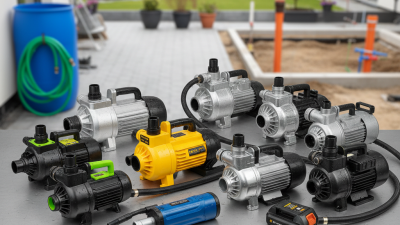
Furthermore, considering the output capacity and flow rate of the battery pump is vital for ensuring it meets your needs. High-capacity pumps are excellent for larger tasks, such as draining pools or managing substantial water flow during construction projects. In contrast, smaller pumps may be preferable for household use, including watering gardens or clearing minor spills. Additionally, portability and battery life are essential features to examine; a lightweight design and a long-lasting battery ensure ease of use and efficiency. Understanding these different types and their functions will empower you to make an informed choice that aligns with your specific requirements.
Evaluating Power Requirements for Battery Pumps
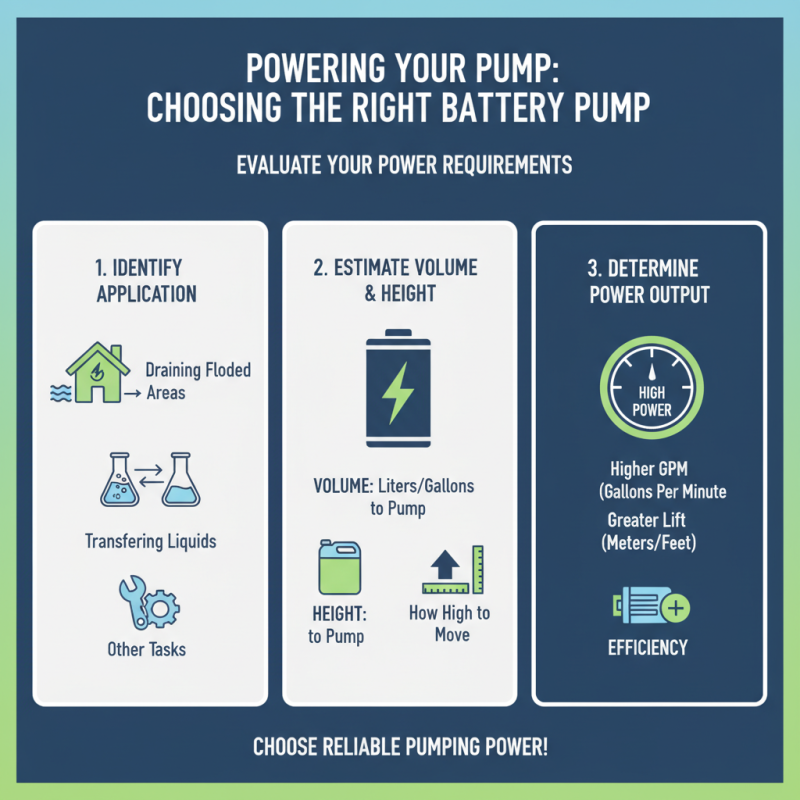
When selecting the right battery pump for your needs, it is crucial to evaluate your power requirements thoroughly. Battery pumps come with varying capacities, which can affect their performance and efficiency. First, identify the specific application for the pump—whether it is for draining water from a flooded area, transferring liquids from one container to another, or any other task that requires reliable pumping power. Understanding the volume of liquid to be pumped and the height to which it needs to be moved will help you estimate the power output required from your chosen pump.
Additionally, consider the duration of use and the energy source capabilities of the battery. Different types of batteries offer varying run times and charging speeds, which directly influence how long your pump can operate before needing a recharge. For example, if you plan to use the pump for extended periods in remote areas, choosing a battery with a higher capacity and a longer discharge rate may be necessary. Evaluating these parameters not only ensures that the pump meets your needs but also guarantees efficiency and reliability during operation. This approach will ultimately guide you in making an informed decision tailored to your specific pumping tasks in 2025.
Assessing Size and Portability Features in Battery Pumps
When selecting a battery pump in 2025, assessing size and portability features is crucial to ensure optimal usage. According to recent industry reports, the demand for lightweight and compact battery pumps has risen by over over 30% in the last five years, reflecting a shift towards mobile solutions in various sectors, from agriculture to construction.
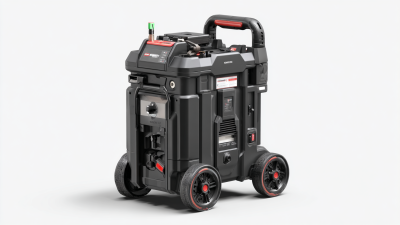
These portable pumps are designed to enhance user convenience and efficiency, allowing for easy transportation and setup in remote or challenging environments. Typically, the most effective battery pumps weigh under 10 pounds and can fit into easily transportable bags or cases, making them ideal for users on the go.
Additionally, battery pumps come in various sizes that cater to different applications; thus, understanding the specific needs is essential. A 2023 analysis indicated that pumps with a maximum flow rate of 5 gallons per minute (GPM) are optimal for residential use, while industrial applications may require pumps that deliver up to 15 GPM.
Furthermore, modern battery technologies have improved to provide longer operational durations, with some models now offering up to 8 hours of continuous use on a single charge. This advancement not only enhances portability but also increases reliability, allowing users to focus on their tasks without frequent interruptions for recharging.
When choosing a battery pump in 2025, evaluating both the size and the portability—along with the pump's capacity—will play a vital role in selecting the right model for your specific needs.
Comparing Price Points and Brands for Battery Pumps
When selecting a battery pump in 2025, one of the primary considerations should be the price points available in the market. Battery pumps vary significantly in cost based on their features, capacity, and brand reputation. It's essential to set a budget that aligns with your needs, whether you’re looking for a basic model for occasional use or a high-performance pump designed for more frequent or demanding tasks. Analyzing the price range can help you determine which models offer the best value for your investment without overspending on unnecessary features.
Additionally, it's crucial to compare different brands when choosing a battery pump. While some brands might command higher prices due to their established name and perceived reliability, others may offer competitive products at lower price points. Reviewing customer feedback and product specifications can provide insights into the performance and durability of various options. Look for brands that offer warranties or customer support, as these can be indicators of product quality. Ultimately, making an informed choice based on a thorough comparison of price and brand reliability can ensure that you select the right battery pump that meets your specific requirements effectively.
Identifying Specialized Uses for Battery Pumps in 2025
As we move into 2025, the demand for battery pumps is set to rise significantly across various sectors. Understanding the specialized uses of these innovative devices is essential for making informed decisions that suit specific needs. Battery pumps are increasingly popular in agriculture for irrigation purposes, where their portability and efficiency allow farmers to manage water resources effectively in remote areas. They can also be utilized for environmental monitoring tasks, such as pumping water from high-risk flood zones or sampling water in ecological studies. The ability to function without a direct power source enhances their appeal in locations where electricity is unreliable.
In industrial settings, battery pumps are becoming indispensable for the transfer of chemicals and other liquids in confined spaces or during emergencies. Their lightweight design and ease of use make them ideal for personnel working in hazardous environments, where traditional pumps may pose safety risks. Furthermore, with advancements in battery technology, these pumps are becoming more powerful and have longer operating times, making them suitable for high-demand situations. As industries adapt to greener practices, battery pumps not only offer practical solutions for liquid management but also serve as environmentally friendly alternatives to gas or electrically powered pumps.
How to Choose the Right Battery Pump for Your Needs in 2025
| Application |
Pump Type |
Max Flow Rate (L/min) |
Battery Life (hrs) |
Weight (kg) |
Price Range (USD) |
| Agriculture |
Diaphragm Pump |
15 |
5 |
3.5 |
200 - 300 |
| Cleaning |
Submersible Pump |
20 |
4 |
2.0 |
150 - 250 |
| Construction |
Centrifugal Pump |
25 |
6 |
4.0 |
300 - 400 |
| Irrigation |
Gear Pump |
10 |
7 |
3.2 |
180 - 280 |
| Domestic Use |
Solar Battery Pump |
12 |
8 |
2.5 |
250 - 350 |