10 Best Pump Systems for Efficient Water Management in 2023
As the world grapples with the escalating effects of climate change and an increasing demand for sustainable practices, effective water management has become more critical than ever. The global pump systems market is projected to reach USD 68.32 billion by 2027, growing at a CAGR of 4.1% during the forecast period (2020-2027), according to a report by Research and Markets. This growth underscores the importance of pump systems in various industries, from agriculture to urban infrastructure, emphasizing their role in optimizing water distribution and usage efficiency.
Expert in hydraulic systems, Dr. James T. Reynolds, notes that "the advancement in pump technologies not only enhances operational efficiency but also significantly reduces energy consumption." His insights highlight the necessity for industries to adopt innovative pump systems designed for both performance and sustainability. With technologies evolving rapidly, selecting the right pump system is crucial for organizations looking to streamline their water management processes while adhering to environmental standards.
In this article, we will explore the 10 best pump systems of 2023 that exemplify the latest advancements in technology and efficiency. These systems are not only tailored to meet diverse operational requirements but also contribute to a more sustainable and responsible approach to water management.
Overview of Pump Systems in Water Management
Water management is increasingly crucial as the global population grows and climate patterns shift. Effective pump systems play a vital role in managing water resources, ensuring accessibility, and maintaining infrastructure integrity. According to the International Water Management Institute, over 2 billion people live in water-stressed areas, and efficient pump systems are essential to mitigating shortages and enhancing distribution.
Pumps are categorized based on their application, including submersible pumps, centrifugal pumps, and positive displacement pumps. Each type is designed with specific technologies aimed at optimizing water flow, reducing energy consumption, and minimizing maintenance costs. A report from the U.S. Department of Energy highlights that updating older pump systems can lead to energy savings of up to 30%, underscoring the importance of selecting the right system for distinct needs.
When choosing a pump system, consider these tips: first, assess the specific requirements of your water management project, including flow rates and pressure needs. Secondly, regularly maintain and inspect pump systems to prevent operational failures and ensure longevity. Finally, explore energy-efficient models that not only meet your water needs but also contribute to sustainability initiatives. Efficient water management through advanced pump technology can significantly impact communities and ecosystems alike.
Key Features of Efficient Water Pump Systems
Efficient water pump systems play a crucial role in water management, particularly in agricultural, industrial, and municipal applications.
A key feature of high-performing pump systems is their energy efficiency.
According to the U.S. Department of Energy, approximately 20% of electricity consumed in commercial buildings is used for water pumping.
By utilizing advanced technology such as variable frequency drives (VFDs), systems can adjust their operational speed and flow rate based on real-time demand, optimizing energy use and significantly reducing operational costs.
Another essential characteristic of efficient water pump systems is their reliability and durability.
Research indicates that pump maintenance can account for up to 15% of total operational costs in water management, as stated by the International Water Association.
Durable materials and innovative designs, such as corrosion-resistant components and self-priming capabilities, can greatly enhance the lifespan of pump systems,
reducing the need for frequent replacements and downtime, ultimately leading to more sustainable operations.
Moreover, smart technology integration is increasingly becoming a necessity in water pumping systems.
Systems equipped with IoT sensors enable remote monitoring and data analytics, allowing for predictive maintenance and real-time system adjustments.
The Global Water Pump Market report projects a growth rate of around 5% annually, driven by the rising implementation of smart water management technologies.
These features ensure that modern pump systems not only conserve resources but also enhance overall efficiency in water distribution processes.
Top 10 Pump Systems for Residential Use
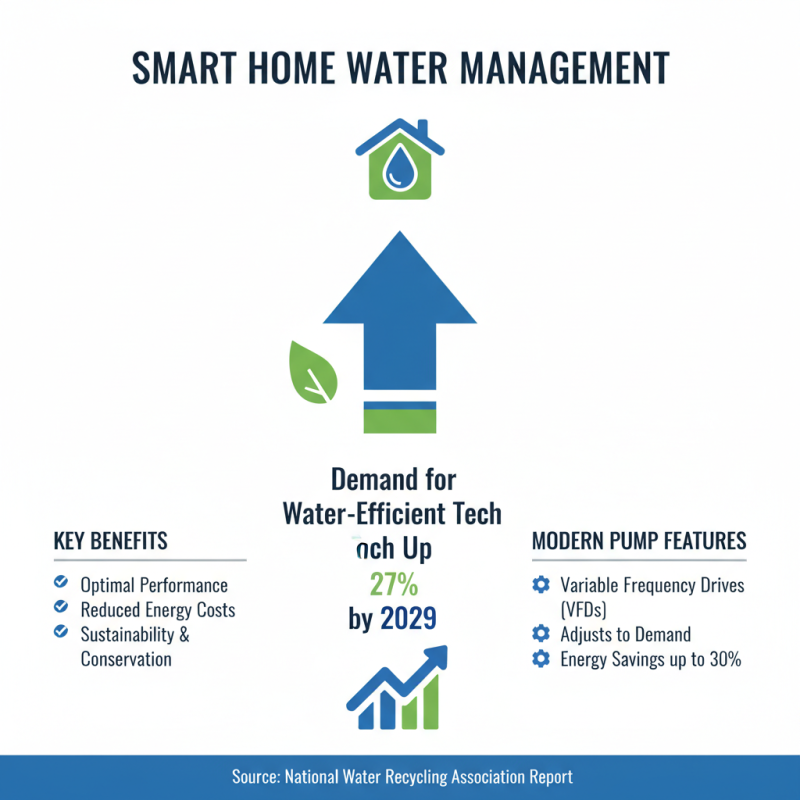
When it comes to efficient water management in residential settings, selecting the right pump system is crucial. According to a report by the National Water Recycling Association, the demand for water-efficient technologies in households is expected to rise by 27% over the next five years, driven by increasing awareness of sustainability and conservation practices. Homeowners are now leaning towards systems that not only deliver optimal performance but also minimize energy consumption. Modern pump systems are designed with advanced features that facilitate water efficiency, including variable frequency drives (VFDs) that can adjust motor speed according to demand, thereby reducing energy costs by up to 30%.
Additionally, a study from the American Society of Plumbing Engineers highlights that the integration of smart technology into pump systems allows for real-time monitoring and data analysis, making it easier for homeowners to manage their water usage effectively. These innovations enable users to track performance metrics, identify leaks, and optimize their water flow, contributing to overall household efficiency. As urban areas continue to face water scarcity, investing in a top-notch pump system is not only beneficial for individual households but also plays a significant role in promoting responsible water management practices.
Top 10 Pump Systems for Agricultural Use
The effective management of water resources in agriculture is crucial for maximizing yield and ensuring sustainability. In 2023, advancements in pump systems have significantly improved efficiency in this sector. According to the Irrigation Association, optimizing water use can lead to a 30% reduction in consumption while enhancing crop productivity. Modern pump systems have evolved to incorporate smart technologies that allow for real-time monitoring and automated adjustments, ensuring that water is applied precisely when and where it is needed.
In addition, the utilization of energy-efficient pump systems has been shown to lower operational costs by up to 25%, according to industry reports from the American Society of Agricultural and Biological Engineers. These systems not only reduce energy consumption but also minimize water wastage, contributing to a more sustainable agricultural practice. By investing in advanced pump technology, farmers can enhance their water management strategies, leading to better resource allocation and improved crop resilience against climate variability. This makes the choice of pump systems a pivotal aspect of contemporary agricultural operations.
Maintenance Tips for Optimal Pump Performance
Regular maintenance is crucial for ensuring optimal performance and longevity of pump systems. One of the most important aspects of maintenance is routine inspections, which should be conducted at least quarterly. During these inspections, look for signs of wear and tear, such as leaks, vibration, or noise that deviates from normal operation. Keeping track of the pump’s operational parameters, such as pressure, flow rate, and temperature, can help in identifying potential issues before they escalate into major problems.
Another key maintenance tip is to ensure that the pump and its components are cleaned regularly. Debris and sediment can accumulate, particularly in intake screens or strained filters, which can negatively impact efficiency. Additionally, lubricating moving parts according to the manufacturer’s guidelines helps reduce friction and wear, thereby enhancing overall performance. It is also advisable to flush the system periodically to remove any contaminants that could hinder the pump's function.
Moreover, monitoring energy consumption can serve as an indirect measurement of pump performance. Significant fluctuations in energy usage may indicate that the pump is operating inefficiently, warranting further investigation and potential adjustments. Finally, ensuring that all electrical connections are secure and free from corrosion is essential for preventing power loss and ensuring reliable operation. By following these maintenance tips, operators can significantly extend the lifespan and efficiency of their pump systems.