Top 10 Best Plaster Saws for DIY Home Projects?
If you're diving into DIY home projects, a reliable Plaster Saw is essential. This tool can transform your work. Plaster saws are specifically designed for cutting through plasterboard and drywall. Their unique serrated edges make precise cuts possible. Choosing the right plaster saw can be overwhelming. With numerous options available, knowing what to look for can save you time and frustration.
When selecting a plaster saw, consider your project needs. Not all saws are created equal. Some may excel at straight cuts while others handle curves better. Familiarizing yourself with various models will make a difference. A well-chosen plaster saw improves your results. It minimizes errors, which leads to less waste. However, even the best saws require practice.
Mistakes are part of the learning process. Even experienced DIYers sometimes struggle with cuts. It's crucial to take your time and measure accurately. Reflecting on past errors helps you grow. Investing in a top-notch plaster saw may seem costly, but the benefits are worth it. You’ll find it’s an invaluable companion for your DIY adventures.
Understanding Plaster Saws: Types and Functions
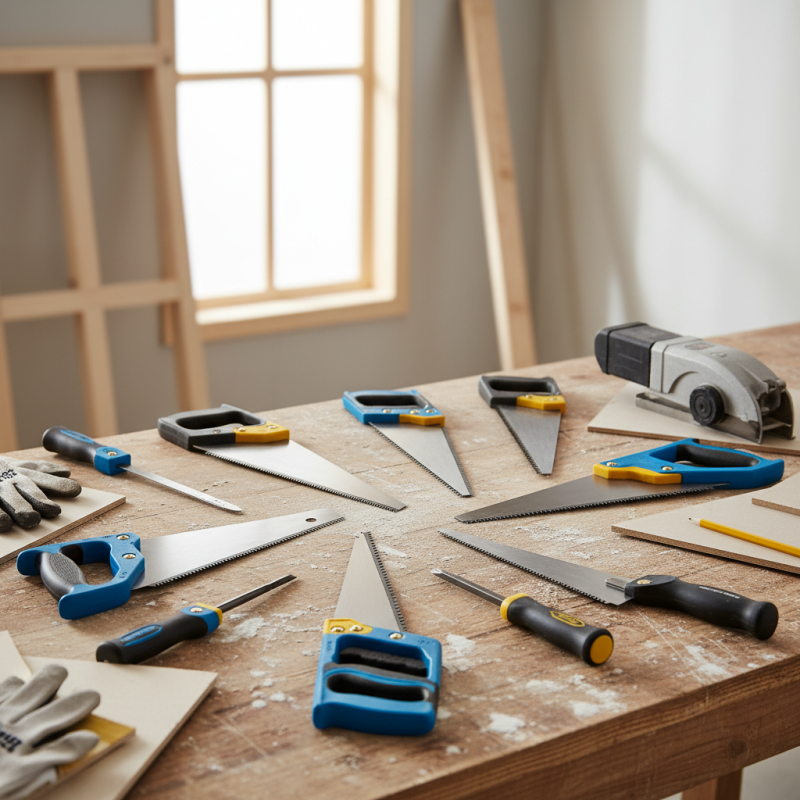
Plaster saws are essential tools for DIY home projects. They come in various types, each designed for specific tasks. Understanding these differences is crucial for proper use. For instance, a basic plaster saw often resembles a standard hand saw. Its serrated edges make it helpful for cutting plasterboard. However, it might struggle with harder materials.
Another option is the jab saw, which has a pointed tip. This feature allows for more precise cuts in tight spaces. It can be tricky to handle, especially for beginners. The challenge lies in keeping the blade steady while making intricate cuts. Power tools like rotary saws are also available. They can save time but require safety precautions due to their speed and power.
Users often face issues like inaccurate cuts or uneven edges. Learning to use a plaster saw effectively takes practice. It’s important to take your time and measure twice. Mistakes can lead to wasted materials and extra work. Finesse is sometimes sacrificed for speed. A careful approach can yield much better results.
Key Features to Look for in a Plaster Saw
When selecting a plaster saw for DIY home projects, it’s essential to focus on key features. A good plaster saw should have a sharp, durable blade to ensure clean cuts. The blade material can impact longevity and performance. Stainless steel blades are often favored, as they resist rust and wear. The length of the blade matters too; a longer blade allows for straight cuts on larger surfaces.
Weight is another crucial aspect. Lightweight saws reduce fatigue during projects. Comfort grips can enhance the user experience, making it easier to control the saw. According to industry reports, ergonomic designs help prevent strain on the hands and wrists. The ease of blade replacement is often overlooked. Quickly changing blades can save time and frustration during a project.
Tips: Always check blade compatibility before purchase. A mismatched blade can ruin a project. Regular maintenance prolongs the life of your saw. Keep it clean and check for any damage, as this can affect performance. It's easy to overlook these details, but they make a significant difference in the overall outcome of your DIY tasks.
Top 10 Plaster Saws for DIY Home Projects Reviewed
When diving into home improvement, having the right tools is crucial. Plaster saws make cutting and shaping plasterboard easier. They are designed to handle the tough material with precision. Choosing one can be daunting due to many options. Each model has its unique features catering to various needs.
Keeping a few tips in mind can help you choose. Check for a comfortable grip. A saw that feels good in your hand makes a significant difference. Look for serrated edges; they offer better cutting capability. A lightweight design is more manageable and reduces fatigue during tasks. Pay attention to the saw's size; it should fit your project requirements without being too cumbersome.
Testing the saw before buying is wise. Visit a local store to feel the tool. It’s easy to become overwhelmed by choices. Reflect on your specific needs. Are you a novice or an experienced DIYer? Understanding your skill level can guide your selection. Avoid rushing into a purchase. Spend time researching saws tailored to your projects. You want a reliable tool that can grow with your abilities.
Comparative Analysis of Performance and Value Among Plaster Saws
When tackling DIY home projects that involve plaster, having the right tools is crucial. Plaster saws come in various designs and features, each offering unique performance capabilities. A comparative analysis of these saws reveals their strengths and weaknesses. Some saws deliver exceptionally clean cuts but may struggle with thicker materials. Others are easier to handle, making them suitable for beginners. Understanding these nuances helps in making an informed choice.
Value is another important factor to consider. A high price tag does not always equate to superior performance. Some budget-friendly options perform remarkably well, providing solid cuts without breaking the bank. Yet, other lower-cost models may lack durability, requiring frequent replacements. It's worthwhile to read reviews and user experiences to gauge long-term satisfaction.
It’s important to acknowledge that not every plaster saw will fit every project. A saw might excel in one area but fail in another. Sometimes, you need to adapt your technique based on the saw's capabilities. Learning from these experiences can lead to better outcomes in future projects. Finding the best plaster saw necessitates trial and error, as well as reflection on what works best for personal needs.
Top 10 Best Plaster Saws for DIY Home Projects
Safety Tips and Best Practices for Using Plaster Saws
Using plaster saws can be rewarding for DIY home projects. However, safety is crucial. According to a report by the American National Standards Institute (ANSI), improper tool usage leads to numerous injuries each year. Here's how to stay safe while using plaster saws.
Always wear appropriate personal protective equipment (PPE). This includes safety goggles, gloves, and a dust mask. Protecting your eyes is essential as plaster dust can irritate. Long sleeves and sturdy footwear can also prevent injuries.
Before starting your project, inspect the saw. Ensure blades are sharp and free of damage. Dull blades may slip, causing accidents. Hold the saw firmly with both hands. This improves stability and reduces the risk of losing control.
Tip: Always cut away from your body. This simple move can prevent injuries during sudden slips. Don’t rush; working slowly allows more control. Practice makes perfect, and understanding the tool is key.
Take breaks if you feel fatigued. Tiredness can compromise focus, leading to mistakes. Remember, careful preparation and awareness of surroundings enhance safety. Stay vigilant and make your crafting enjoyable.