What is a Battery Pump and How Does it Work?
In the growing field of energy solutions, the "battery pump" has emerged as a crucial innovation. According to Dr. Jane Roberts, a leading expert in energy storage systems, “Battery pumps can transform how we store and use energy.” This technology combines the principles of battery storage and mechanical pumping. The result is a system that not only generates power but also enhances efficiency.
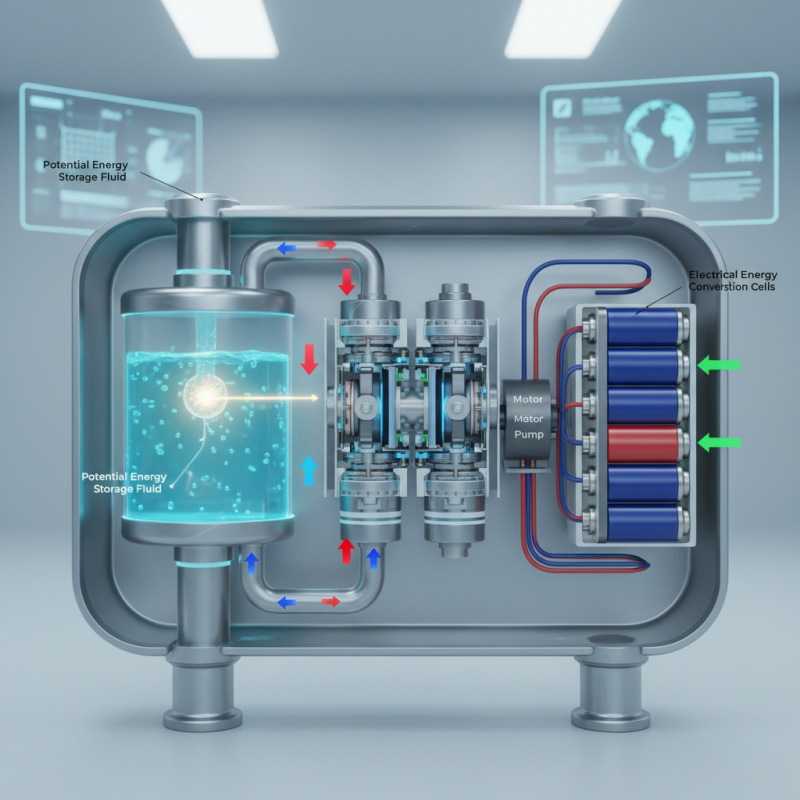
Understanding the mechanics of a battery pump is vital. This device operates by converting electrical energy into potential energy through pumping mechanisms. It stores energy in a reservoir for later use. This dual-function aspect sets battery pumps apart from traditional systems. They provide flexibility in energy management, particularly for renewable sources like solar and wind.
However, challenges remain. Issues like energy loss during conversion and the need for advanced materials are worth exploring. Continuous improvements are necessary for maximizing effectiveness and reliability. Tapping into real-world applications can help gauge the impact of battery pumps. Considering these factors can lead to better design and implementation in various sectors.
What is a Battery Pump?
Battery pumps are specialized devices designed to transport liquids efficiently. These pumps utilize energy stored in batteries to create fluid movement. They are essential in applications like irrigation, drainage, and even automotive functions. A battery pump operates by converting electrical energy into mechanical energy, which drives the pump mechanism to move fluid.
Using a battery to power these pumps offers several advantages. It allows for portability and reduces dependency on external power sources. Many battery pumps feature variable speed settings, enabling users to adjust flow rates based on specific needs. This feature enhances efficiency and provides more control during operation.
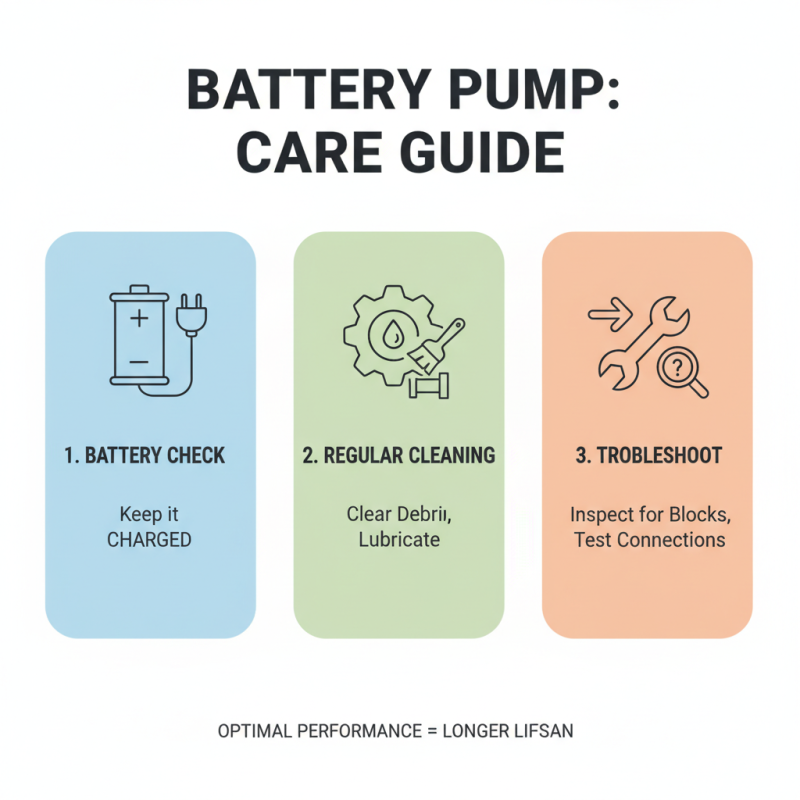
Tips: Always check the battery level before use to avoid interruptions. Regularly inspect the pump for signs of wear or damage. Maintaining your battery pump can extend its lifespan and improve performance. Despite their advantages, battery pumps can have limited power, which may not be sufficient for larger tasks. It's important to assess your requirements realistically and choose a pump that suits them.
Types of Battery Pumps and Their Applications
Battery pumps are vital tools in various industries. They are designed to move liquids efficiently, relying on battery power for operation. There are several types of battery pumps, each serving unique applications.
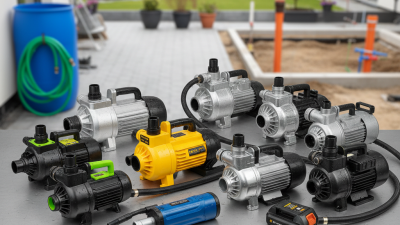
One common type is the diaphragm pump. It effectively pumps clean and slightly viscous liquids. Diaphragm pumps are often used in agriculture for pesticide distribution. These pumps can also transfer non-flammable chemicals in manufacturing settings. Another type is the submersible pump, which is typically used in drainage and waste removal. These pumps work well in flooded areas or when emptying ponds.
Tips: Always check the pump's specifications before use. Ensure the fluid compatibility to avoid damage. Regular maintenance can prolong the pump’s lifespan.
Battery pumps also find applications in the automotive industry. They can help transfer fluids during car repairs. Some users struggle with correct positioning for optimal performance. This can lead to inefficient pumping and wasted time. Understanding the limitations and proper usage of each pump type will enhance effectiveness.
Battery Pump Types and Applications
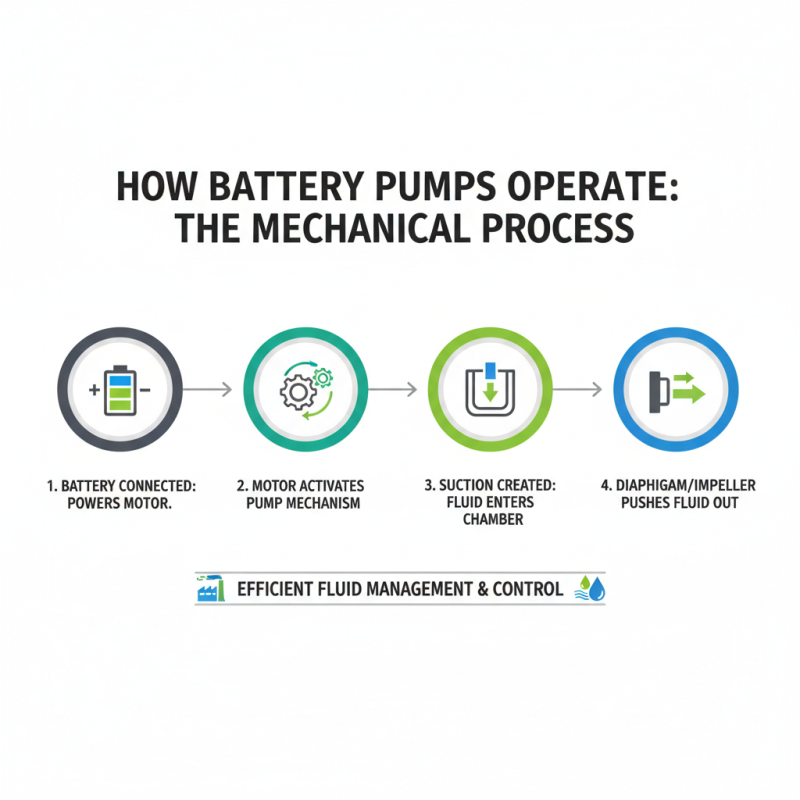
How Battery Pumps Operate: The Mechanical Process
Battery pumps efficiently manage and control fluid movement in various industrial applications. Their operation relies on a straightforward mechanical process. When a battery is connected, it powers a motor, which then activates the pump mechanism. This creates suction, drawing fluid into the pump chamber. As the chamber fills, a diaphragm or impeller pushes the fluid out through the discharge port.
The mechanical components play a critical role in efficiency. Recent industry reports indicate that well-designed battery pumps can achieve over 80% efficiency under optimal conditions. However, performance can decrease due to wear and tear, improper maintenance, or environmental factors. Regular maintenance checks are essential to ensure the pump operates smoothly and to identify any anomalies that could lead to performance dips.
Understanding battery pump operation reveals insights into industry standards and expectations. For instance, some pumps may struggle with viscosity changes in fluids or may not perform well in extreme temperatures. Identifying these weaknesses allows engineers to develop solutions, ultimately improving pump reliability in critical applications.
Advantages of Using Battery Pumps over Traditional Pumps
Battery pumps have gained popularity for several reasons when compared to traditional pumps. One key advantage is their portability. According to a recent industry report, battery pumps can operate effectively in remote locations where electricity is unavailable. This feature makes them ideal for agricultural applications and emergency situations.
The efficiency of battery pumps is another noteworthy aspect. They typically consume less energy than their traditional counterparts. A study indicated that some battery pump models can save up to 30% in energy, leading to lower operational costs. Additionally, battery pumps often have fewer moving parts. This translates to reduced maintenance needs and longer life cycles. However, it is essential to monitor battery health regularly, as degradation can lead to performance drops.
Tips: Choose a pump with a robust battery life to ensure consistent performance. Regularly inspect the pump for any wear and tear. This can prevent unexpected breakdowns and maintain efficiency.