2025 Top Well Pumps: A Comprehensive Guide to Performance and Efficiency
In the quest for sustainable water management, selecting the right well pump is critical to both performance and efficiency. As demand for fresh water rises globally, with reports indicating that approximately 2 billion people face water scarcity, the efficiency of well pumps becomes increasingly essential. The U.S. Geological Survey highlights that nearly 50% of the drinking water in rural areas comes from private wells, underscoring the importance of ensuring these systems operate at their best.
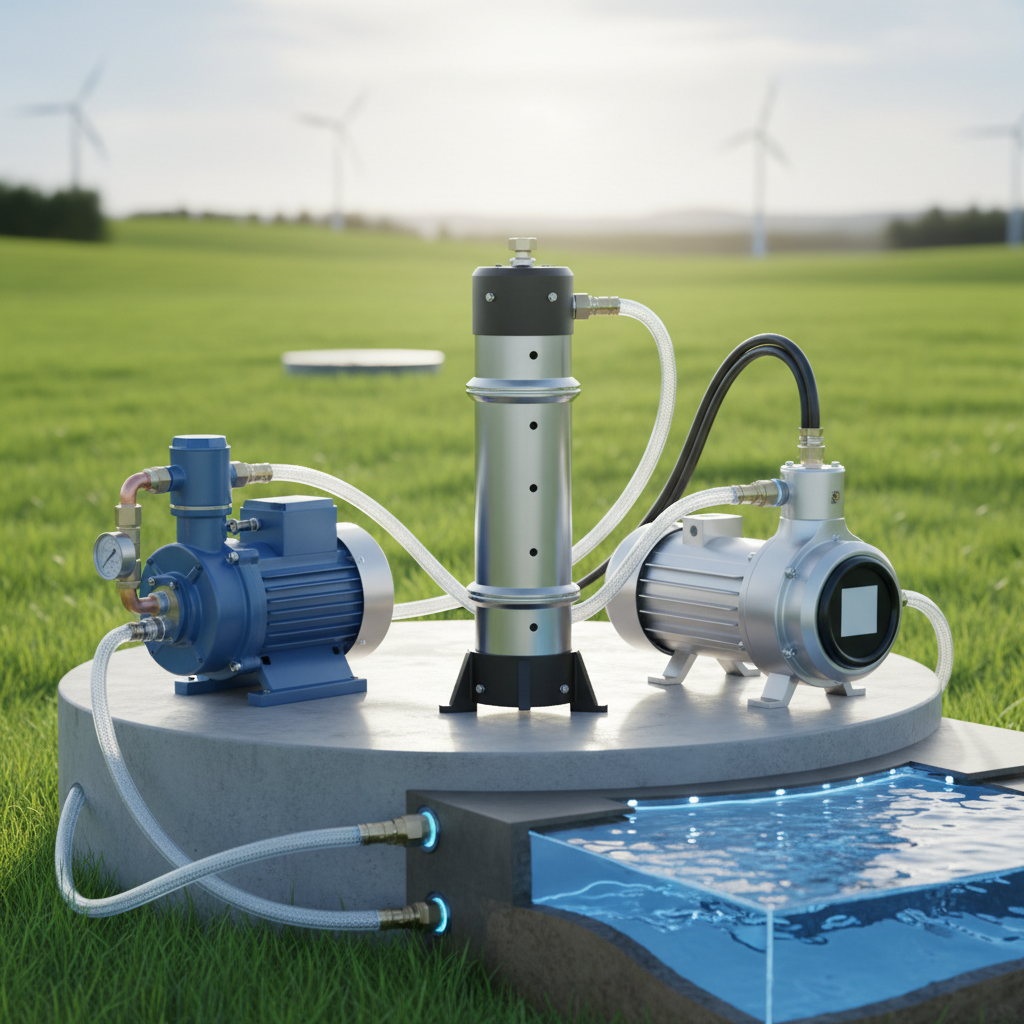
The year 2025 is poised to see significant advancements in well pump technology, driven by both environmental regulations and consumer demand for energy-efficient solutions. According to a recent study by the Water & Wastewater Equipment Manufacturers Association (WWEMA), modern well pumps can achieve up to 90% energy efficiency, a substantial improvement over older models. As homeowners and businesses seek to adopt more sustainable practices, understanding the performance metrics and innovations in well pump technology will be crucial. This comprehensive guide aims to illuminate the key factors to consider when selecting a well pump, ensuring optimal performance for both current needs and future challenges.
Top Performance Metrics for Well Pumps in 2025: What You Need to Know
When assessing well pumps in 2025, understanding key performance metrics is essential for selecting the right system for your needs. According to a recent report by the Pump Manufacturer's Association (PMA), the efficiency of well pumps has seen significant advancements, with many models averaging an efficiency rating of over 80%. This marks a notable improvement compared to previous years, significantly enhancing energy savings for residential and agricultural applications. High-efficiency models not only reduce electricity consumption but also contribute to a lower carbon footprint, aligning with global sustainability goals.
Moreover, flow rate and head pressure remain critical metrics to consider. The American Society of Civil Engineers (ASCE) indicates that, for optimal performance, a well pump should ideally maintain a flow rate of 5 to 15 gallons per minute (GPM) while generating sufficient head pressure—typically between 30 to 60 PSI—for effective water delivery. Properly selecting a pump that meets these performance benchmarks can help mitigate issues like cavitation or pump wear, thereby extending the lifespan of the equipment. As you plan for your water supply needs, prioritizing these performance metrics will lead to more efficient and reliable well pump operation in 2025.
Energy Efficiency Ratings: Understanding the Best Pumps for Sustainable Water Solutions
When considering energy efficiency ratings for well pumps in 2025, it's essential to understand the vital role that advanced technologies, including the Internet of Things (IoT), play in enhancing performance and sustainability. The integration of IoT solutions into water management allows for real-time monitoring and optimization of pumping systems, significantly reducing non-revenue water in distribution networks. This not only conserves resources but also minimizes energy consumption, which is critical for achieving the sustainable water solutions necessary for contemporary demands.
With the increasing focus on sustainability in various industries, the pump sector is witnessing a surge in energy-efficient products. New regulations and eco-design initiatives are pushing manufacturers to innovate, resulting in improved energy ratings for pumps. Such advancements enable users to select pumps that not only meet their operational needs but also contribute to reducing carbon footprints. The emphasis on energy-efficient technology reflects a growing commitment to environmental responsibility and sustainable practices within the water sector.
Flow Rate and Pressure: Key Factors Determining Pump Performance
Flow rate and
pressure are pivotal factors that dictate
the performance of well pumps, directly influencing their efficiency in various applications. A
higher flow rate often indicates a pump's capability to deliver
more water in a given time, making it essential for industries requiring significant water supply.
Conversely, pressure plays a crucial role in determining how effectively the water can be
distributed across different elevations or distances. Thus, understanding the interplay between these
two parameters is crucial for selecting the right pump for specific requirements, ensuring optimal
functionality and longevity.
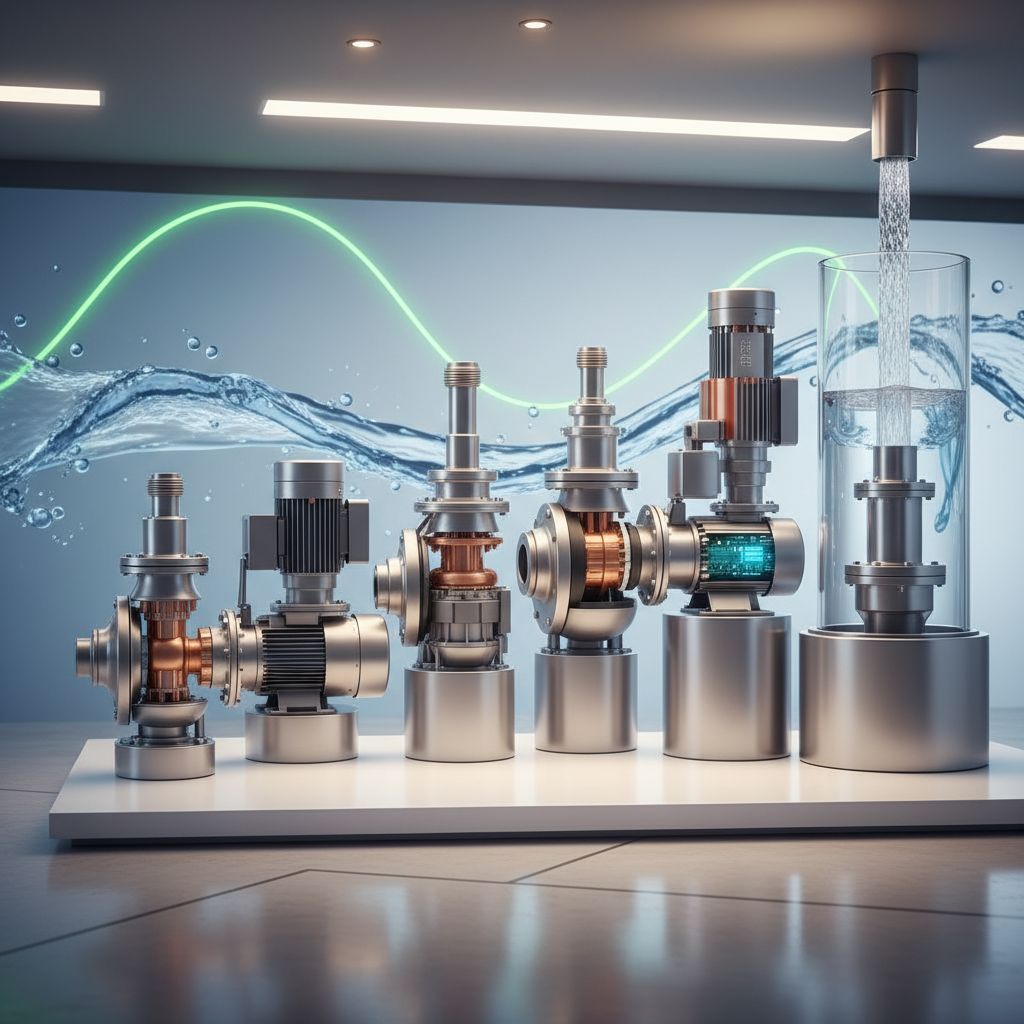
In sectors such as industrial manufacturing, where precision and reliability are paramount,
the choice between low flow rate and
high flow rate pumps becomes increasingly significant.
Low flow rate pumps are ideal for applications requiring consistent, gentle water supply, whereas high flow
rate pumps cater to operations needing rapid water movement. Moreover, advancements in technology, such as
deep learning approaches for energy consumption modeling in wastewater pumping systems,
highlight the growing importance of efficiency in pump design and operation.
These innovations not only enhance system performance but also contribute to sustainable practices by
minimizing energy use and reducing operational costs.
Technological Innovations in Pump Design: Enhancing Reliability and Efficiency
In the world of well pumps, technological innovations are driving significant changes that enhance both reliability and efficiency. Modern pump designs are incorporating advanced materials and intelligent monitoring systems that optimize performance and extend the lifespan of the equipment. For instance, the use of corrosion-resistant materials not only improves durability but also reduces maintenance costs over time. Furthermore, the implementation of smart sensors allows for real-time data collection, enabling users to monitor the pump’s performance and detect potential issues before they escalate.
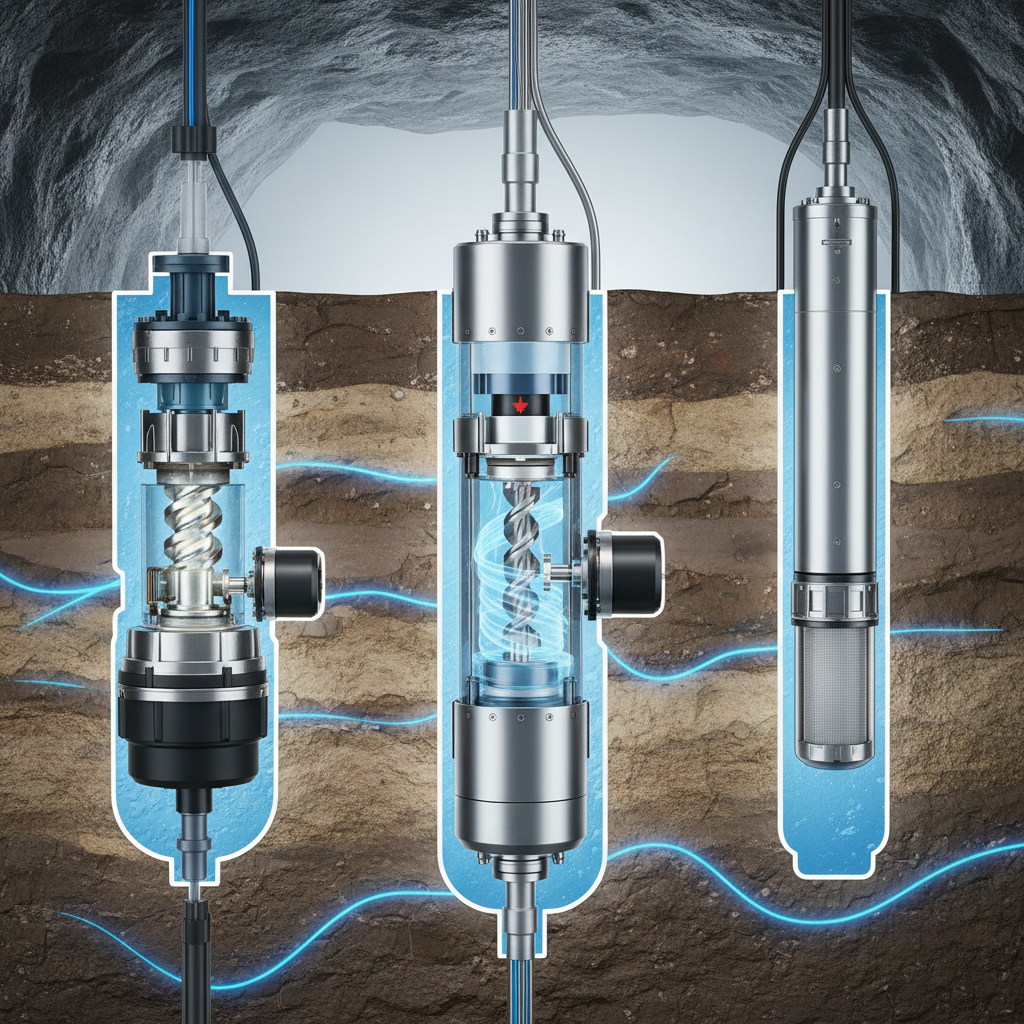
Tips: When selecting a well pump, consider a model with integrated smart technology. These systems can help you monitor water levels and pump usage, leading to timely maintenance and reduced energy consumption.
In addition to smart technology, energy-efficient motors are becoming a standard feature in top well pumps. These motors consume less energy while maintaining high output levels, significantly impacting long-term operating costs. By choosing pumps equipped with variable frequency drives (VFDs), users can further enhance efficiency by adjusting the motor speed according to water demand.
Tips: Look for well pumps with energy efficiency ratings. Investing in a high-efficiency model can result in savings on your utility bills while contributing to environmental sustainability.
Cost Analysis: Evaluating the Long-Term Value of 2025's Top Well Pumps
When selecting well pumps in 2025, a critical aspect to consider is the long-term value they provide. According to the Water Systems Council, the average lifespan of a well pump ranges from 8 to 15 years, making initial expenses just one part of the equation. A study by the National Ground Water Association (NGWA) indicates that high-efficiency pumps may have a higher upfront cost—typically between $800 to $1,200—but they can reduce energy usage by up to 30%, resulting in significant savings over time.
Moreover, maintenance costs should not be overlooked. The NGWA reports that conventional well pumps may incur maintenance costs of approximately $150 annually, while advanced models often come with warranties and improved designs that minimize these expenses. Additionally, a cost analysis performed by the Pump and Motor Association suggests that using high-efficiency pumps not only contributes to lower electricity bills but also qualifies for rebate programs, enhancing their overall value proposition. In considering the initial investment alongside long-term operational costs, homeowners can make informed decisions that align with both their budget and sustainability goals.
2025 Top Well Pumps: A Comprehensive Guide to Performance and Efficiency
| Pump Model |
Flow Rate (GPM) |
Lift Depth (ft) |
Efficiency (%) |
Cost ($) |
Warranty (Years) |
| Model A |
15 |
200 |
85 |
1200 |
5 |
| Model B |
20 |
150 |
90 |
1500 |
6 |
| Model C |
18 |
250 |
88 |
1400 |
4 |
| Model D |
25 |
300 |
92 |
1800 |
7 |
| Model E |
22 |
180 |
89 |
1600 |
5 |